 5-star Wellness Resort
 5-star Wellness Resort

Written by: Chris Butt, Certified Personal Trainer & Weight Loss Coach, Premier Fitness Camp
This 7-day plan applies the plate method to a full week of eating. Each meal follows the same visual structure: half the plate non-starchy vegetables, one quarter lean protein, one quarter complex carbohydrates, plus a thumb-sized portion of healthy fat. Repeat Days 1–7 for the full 14-day plan, and swap proteins or vegetables based on your preferences.
| Day | Breakfast | Lunch | Dinner | Snack |
|---|---|---|---|---|
| 1 | 2-egg vegetable omelette, 1 slice whole-grain toast, mixed berries | Grilled chicken over mixed greens, cherry tomatoes, cucumber, olive oil drizzle, ½ cup brown rice | Baked salmon, roasted broccoli and zucchini, ½ cup quinoa | Plain Greek yogurt with sliced strawberries |
| 2 | Overnight oats with chia seeds, blueberries, and almond butter | Turkey and avocado lettuce wraps, side of baby carrots and hummus | Lean ground turkey stir-fry with bell peppers, snap peas, and cauliflower rice | Apple slices with 1 tbsp peanut butter |
| 3 | Greek yogurt parfait with granola (¼ cup) and mixed berries | Lentil and spinach soup, 1 slice whole-grain bread | Grilled chicken thighs, roasted asparagus and mushrooms, ½ cup sweet potato | Hard-boiled egg and cucumber slices |
| 4 | Scrambled eggs with sautéed spinach and tomatoes, ½ cup oatmeal | Tuna salad (olive oil mayo) over romaine, ½ cup chickpeas, sliced peppers | Baked cod, steamed green beans and carrots, ½ cup farro | Celery sticks with almond butter |
| 5 | Smoothie: spinach, frozen berries, protein powder, almond milk, 1 tbsp flaxseed | Grilled shrimp over arugula, roasted beets, ½ cup wild rice | Lean beef and vegetable kebabs, roasted zucchini, ½ cup barley | Cottage cheese with pineapple chunks |
| 6 | Whole-grain avocado toast, 2 poached eggs, sliced tomato | Black bean and vegetable burrito bowl (no tortilla), salsa, plain Greek yogurt instead of sour cream | Herb-baked chicken breast, roasted Brussels sprouts and cauliflower, ½ cup lentils | Mixed nuts (1 small handful) and an orange |
| 7 | Veggie frittata with onion, peppers, and feta, side of melon | Salmon and cucumber salad, ½ cup quinoa, lemon-olive oil dressing | Turkey meatballs, zucchini noodles with marinara, side salad | Rice cake with hummus and sliced cucumber |
The Harvard Healthy Eating Plate guides balanced meals by filling roughly half the plate with vegetables and fruits, one-quarter with whole grains, and one-quarter with healthy proteins, plus healthy oils. A standard 9- to 10-inch dinner plate keeps portions naturally in check.
Half the plate — non-starchy vegetables: Broccoli, spinach, peppers, cucumbers, zucchini, green beans, tomatoes, cauliflower, and carrots. These foods are 90–95% water by weight and high in fiber, which increases stomach volume and promotes fullness without many calories.
One quarter — lean protein: Skinless poultry, fish, eggs, lean beef, tofu, lentils, or low-fat cottage cheese. Lean proteins stimulate appetite-regulating hormones such as GLP-1 and peptide YY, which can help manage hunger after eating.
One quarter — complex carbohydrates: Brown rice, quinoa, farro, sweet potato, oats, or whole-grain bread. Complex carbohydrates limited to a quarter of the plate provide slower glucose release and higher fiber than refined carbs, which supports steady energy without blood-sugar spikes.
Thumb-sized portion — healthy fat: Olive oil, avocado, nuts, or nut butter. A Cochrane systematic review of dozens of studies concluded that reducing the size of portions, packages, and tableware consistently lowers how much people eat and drink.
Studies using portion-control plates show that participants can lose weight and reduce BMI compared to control groups, without tracking a single calorie.
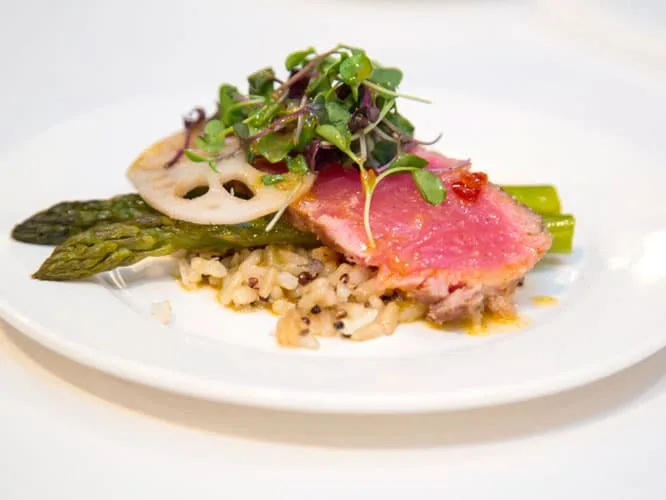
Stock these staples before Day 1 so grocery trips feel simple instead of stressful.

Proteins
Non-Starchy Vegetables
Complex Carbohydrates
Healthy Fats
Fruit and Dairy
Pantry Staples
Need help adapting this meal plan to your dietary restrictions or health conditions? Talk to a registered dietitian at Premier Fitness Camp at (888) 488-8936 for a no-pressure conversation about where you are and where you want to go.
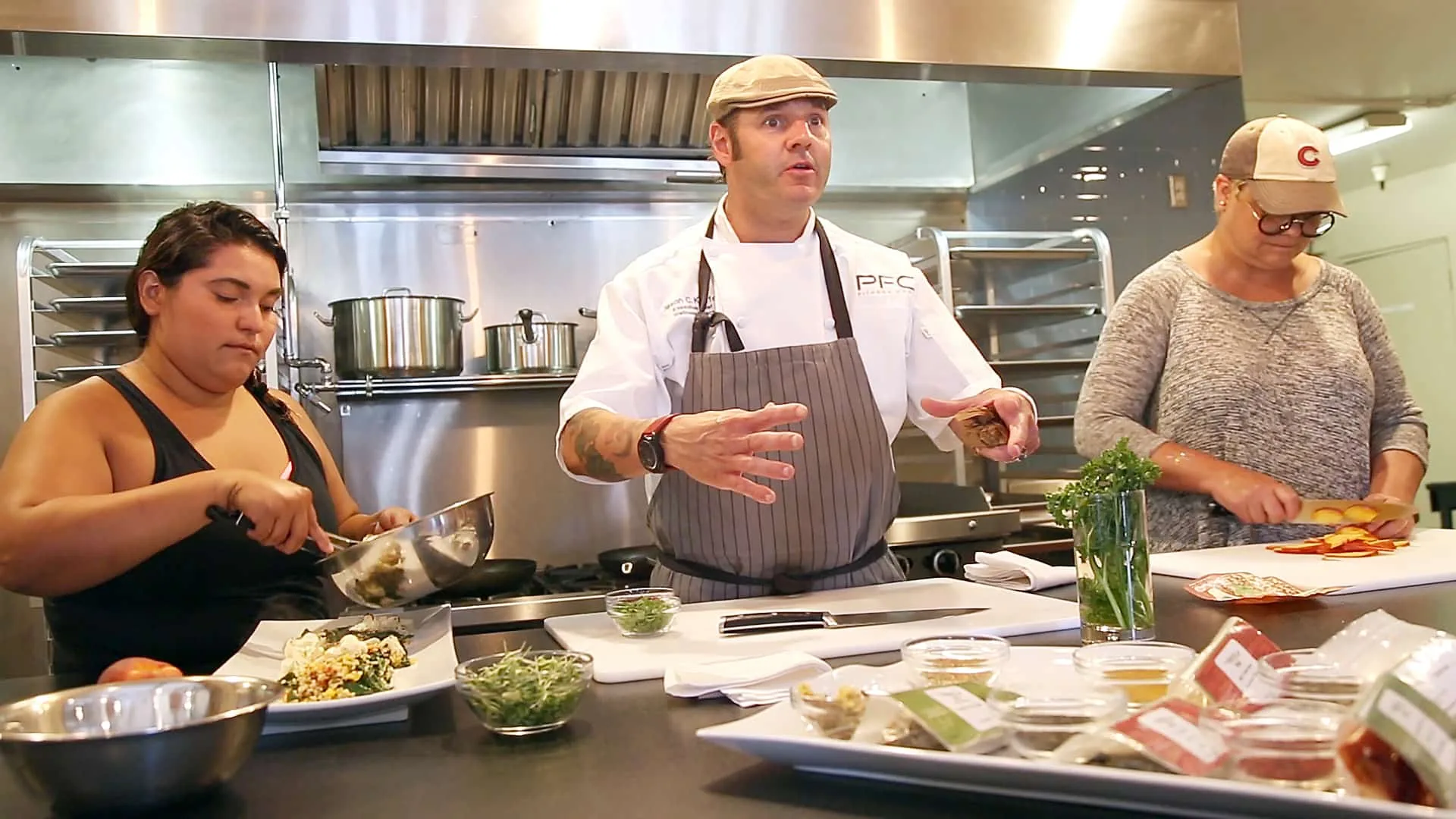
With your kitchen stocked and a simple meal plan ready, hesitation about starting can still show up. That hesitation is common and worth addressing directly.
Physical limitations and years of inactivity are real barriers, not character flaws. Very restrictive diets often fail because sustained calorie deficits trigger metabolic slowdown and hormonal changes that increase hunger and reduce feelings of fullness. The answer is not harsher restriction. The answer is smaller, repeatable behaviors.
Three micro-habits form the behavioral foundation of this plan, and each one targets a different part of change:
Together, these habits cover movement, mindfulness, and motivation, which are the three pillars that decide whether a nutrition plan becomes a lifestyle.

BJ Fogg, Stanford researcher and author of Tiny Habits, found that the most reliable way to build a new behavior is to make it almost embarrassingly small so the focus stays on consistent repetition until the behavior becomes automatic. These three habits fit that standard.
A sample day on this plan combines the plate method with the three micro-habits in a low-effort sequence that builds momentum from morning through evening:
When these principles are followed consistently, clients using the same nutritional framework average 3–4 pounds of fat loss per week, a rate validated by a UCSD case study showing that 94% of total weight lost was purely fat, compared to the 60/40 fat-to-muscle ratio typical of standard dieting programs.
Even with a clear daily structure in place, many adults still struggle with eating patterns that are driven by emotions rather than hunger. That pattern deserves its own focus.
A recent systematic review and meta-analysis found a high prevalence of emotional eating in overweight and obese populations. Emotional eating is not a discipline problem. It is a learned habit loop in which a negative emotion such as stress, boredom, or loneliness triggers eating as a coping routine, and the short-term relief reinforces the pattern.
The two-minute breathing reset before meals directly interrupts this loop by creating a pause between the emotional cue and the eating response. The protein-fiber combination discussed earlier also reduces the physiological vulnerability that makes emotional triggers harder to manage. When your body is not physically hungry, emotional cues lose much of their power.

The Think-Eat-Move framework addresses emotional eating through its Think pillar, which includes licensed psychologists and behavioral health coaches who run group workshops on emotional triggers, limiting beliefs, and coping tools. Most nutrition plans skip this layer, yet this is the layer that often decides whether two weeks of effort turns into two years of progress.
Two weeks of consistent plate-method eating builds a strong foundation, but it does not complete the structure. Lally et al. (2010) found that habit automaticity for new behaviors takes a mean of 66 days to develop, so most people need support beyond a two-week starter plan.
At Premier Fitness Camp, the same plate method taught in this guide is used daily by registered dietitians and wellness chefs who prepare every meal on-site at the Omni La Costa Resort & Spa in Carlsbad, California. The Think-Eat-Move framework extends nutrition education into behavioral health counseling and 4–5 hours of daily fitness training, with a 3–4:1 trainer-to-client ratio so every participant feels supported regardless of starting fitness level.
Progress is tracked across 17 data points weekly, including weight, body fat, seven body measurements, blood pressure, cholesterol panels, glucose, mile time, plank hold, and push-up count. This approach shows the full picture of change, not just the number on a scale. The UCSD case study mentioned earlier also found that participants who stayed four or more weeks preserved or increased lean muscle mass while losing fat, a body composition outcome that helps prevent the metabolic slowdown common with aggressive dieting.
With 1,200+ reviews, a 90%+ five-star rating, and about half of annual revenue coming from returning alumni, the long-term outcomes are clear.
The plate method works, and the micro-habits work. Education, behavioral support, and an environment built around your success help those tools last. Premier Fitness Camp delivers that environment at a luxury resort with world-class staff in the Southern California climate.
Start your consultation with the Premier Fitness Camp team today. Call (888) 488-8936 or schedule online for a personalized, no-pressure conversation about your goals.
The plate method is one of the most beginner-friendly nutrition frameworks because it requires no calorie counting, food scales, or app tracking. It replaces abstract numbers with a visual structure: half the plate non-starchy vegetables, one quarter lean protein, one quarter complex carbohydrates, and a thumb-sized portion of healthy fat. This structure naturally lowers calorie density by increasing vegetable volume while keeping hunger low through adequate protein and fiber. Adults who have never followed a structured plan often find it easier to sustain than counting-based approaches because the rules are visible on the plate, not hidden in a spreadsheet.
Results vary based on starting weight, age, hormones, medications, and consistency. As a general benchmark, adults with 40–70 pounds to lose who follow a plate-method nutrition plan combined with light daily movement can expect meaningful progress in the first two weeks. At Premier Fitness Camp, where the plate method is paired with 4–5 hours of daily training and behavioral health support, clients average 3–4 pounds of fat loss per week. A UCSD case study of PFC participants confirmed that 94% of total weight lost was purely fat, not muscle or water, which is the metric that matters most for long-term metabolic health. A 14-day home plan will produce more modest results, but it establishes the habits and nutrition patterns that make faster progress possible when professional support is added.
Physical hunger builds gradually over several hours after a meal, responds to many types of food, and stops when you are full. Emotional hunger tends to arrive suddenly, craves specific high-fat or high-sugar foods, persists even after eating, and is often followed by guilt. The two-minute breathing reset before meals in this plan is a practical tool for telling them apart. If the urge to eat disappears or softens after two minutes of slow breathing, it was likely emotional. If it intensifies, it is probably physical. A consistent meal schedule, with breakfast, lunch, a snack, and dinner at roughly the same times each day, also reduces overlap between physical hunger and emotional triggers by keeping your body out of a depleted state when stress or boredom hits.
The nutrition component of this plan requires no physical activity and suits adults at any mobility level. The five-minute post-dinner walk micro-habit can be adapted to whatever movement feels comfortable, such as a slow stroll, a seated stretch routine, or gentle movement in place. The plate method itself works for anyone who can prepare or access food, regardless of physical condition. For adults with significant physical limitations who want structured fitness support alongside nutrition education, Premier Fitness Camp accommodates every fitness level, from clients who can only walk 250 feet to seasoned athletes. Every class includes low-impact modifications, and the 3–4:1 trainer-to-client ratio ensures no one is left behind or pushed beyond what is safe.