 5-star Wellness Resort
 5-star Wellness Resort

Written by: Chris Butt, Certified Personal Trainer & Weight Loss Coach, Premier Fitness Camp
Book a free consultation at Premier Fitness Camp.
Chronic stress raises cortisol, which promotes visceral fat storage and drives insulin resistance. Sustained cortisol elevation enhances gluconeogenesis, induces peripheral insulin resistance, and encourages accumulation of visceral adipose tissue, the fat surrounding internal organs linked to metabolic syndrome. Visceral fat carries higher glucocorticoid receptor density than subcutaneous fat, which makes it especially responsive to prolonged cortisol exposure. This pathway is biologically plausible but not automatic. Individual cortisol reactivity, genetics, and stress duration all shape the outcome.
Stress reduces spontaneous movement and, over time, erodes muscle mass, which lowers resting metabolic rate. A review of 168 studies found that 76.4% of prospective studies showed psychological stress predicted less physical activity or more sedentary time, with the notable exception of people who already exercised regularly. Less movement means fewer calories burned. Over months, this pattern leaves less muscle to sustain a healthy metabolism.
Stress drives reward-seeking consumption of calorie-dense foods through opioid, dopaminergic, and serotonergic pathways. Elevated cortisol is associated with greater intake of comfort foods high in sugar and fat, and perceived stress is linked to increased emotional eating, particularly among women. Emotional eaters often replace lower-energy foods with calorie-dense alternatives without perceiving they are eating more. That swap creates an unnoticed energy surplus.
Short or disrupted sleep shifts ghrelin and leptin in ways that increase hunger, cravings, and caloric intake. In healthy young men, two nights of sleep restricted to four hours elevated cortisol by 21% and ACTH by 19% compared with normal sleep. Sleep deprivation increases daily energy intake by approximately 250–300 kcal without a compensatory rise in energy expenditure, and it preferentially accumulates intra-abdominal fat. The American Academy of Sleep Medicine recommends adults get seven or more hours of sleep per night on a regular basis.
Exhaustion and time pressure cut non-exercise activity thermogenesis (NEAT), the calories burned through ordinary daily movement. When stress consumes mental and physical resources, incidental movement drops. People take fewer steps, stand less, and fidget less. Over weeks, this reduction compounds into a meaningful caloric deficit on the expenditure side, independent of any change in formal exercise.
The acute-versus-chronic distinction matters here. Appetite tends to be suppressed during acute stress, but chronic stress that persists for several hours a day over weeks or months stimulates desire for high-fat, energy-rich foods and disrupts the hormonal systems that regulate hunger and fat storage. Physiological dysregulation can emerge over weeks. Clinically meaningful body-composition changes generally develop over longer periods.
This self-sort maps common lived experiences to their most likely mechanism and a concrete first move. Most people recognize more than one pattern. That overlap is common and explains why single-pathway fixes so often fail.
One pattern falls outside these five pathways. Puffiness, bloating, or rapid scale changes of several pounds in days usually reflect water retention rather than fat. First move: reduce sodium, prioritize hydration, and allow the stressor to ease. This pattern typically resolves within days to weeks as stress decreases.
If your self-sort suggested a stress pattern and you do not feel like you are eating more, stress can still drive weight gain. It shifts sleep, movement, and food choice in ways that are rarely consciously registered. Emotional eaters tend to replace lower-energy foods with calorie-dense comfort foods and ultra-processed snacks high in sugar and fat, which raises energy intake without perceiving they are eating more. Meanwhile, sleep deprivation limits daily activity and drives cravings for non-nutritious foods, creating compounding bidirectional effects between poor sleep, weight gain, and insufficient exercise. The result is a caloric surplus that feels invisible. Stress quietly alters the inputs on both sides of the equation without triggering conscious awareness.
For a full protocol on reversing these patterns, see How To Stop Stress-Induced Weight Gain For Good and How To Manage Stress-Induced Weight Gain.
Before you assume cortisol is your pathway, it helps to know what cortisol can and cannot explain. Your waistline, for instance, cannot diagnose cortisol. “Cortisol belly” is not a medical diagnosis, and there is no specific body shape or appearance that definitively indicates high cortisol levels. Genetics, age, hormones, physical activity, sleep, and medications all influence where the body stores fat. True clinical cortisol excess, Cushing’s syndrome, is rare, affecting approximately 40 to 70 people per million, and it produces a recognizable cluster of signs that ordinary stress does not.
The following features, when present together and worsening over time, warrant evaluation by a physician rather than self-diagnosis:
Cushing’s syndrome is not diagnosed with a single morning blood test. Clinicians use 24-hour urinary free cortisol, late-night salivary cortisol, or a dexamethasone suppression test, with abnormal results confirmed by a second test and an endocrinologist. Ordinary life stress does not cause Cushing’s syndrome. If cortisol weight gain or how to stop cortisol weight gain is your concern, the evidence-based starting point is sleep, consistent meals, and structured movement. Supplements and cortisol detoxes have no clinical trial support for belly fat reduction.
Stress weight gain can be temporary or longer lasting, depending on the mechanism. Water retention from acute stress is temporary and typically resolves within days to weeks as the stressor eases and sodium intake normalizes. Fat accumulation requires sustained chronic stress over weeks to months. Reversing that pattern requires addressing the underlying pathways rather than waiting it out.
Highly restrictive diets may increase hunger hormones and slow metabolic rate, which promotes weight regain and makes long-term weight loss unsustainable. This effect matters even more under chronic stress, when the body’s cortisol and ghrelin systems are already dysregulated. For people experiencing chronic stress, the evidence supports avoiding an all-or-nothing calorie-cutting response, which may intensify hunger, distress, and adherence failure. Realistic reversal requires consistent sleep, structured meals, progressive movement, and genuine decompression, all addressed at the same time.
If your self-sort pointed to more than one pathway, you face the challenge of addressing them together rather than one at a time. That is what Premier Fitness Camp’s Think, Eat, Move program is built to do, with a multidisciplinary team covering all five.

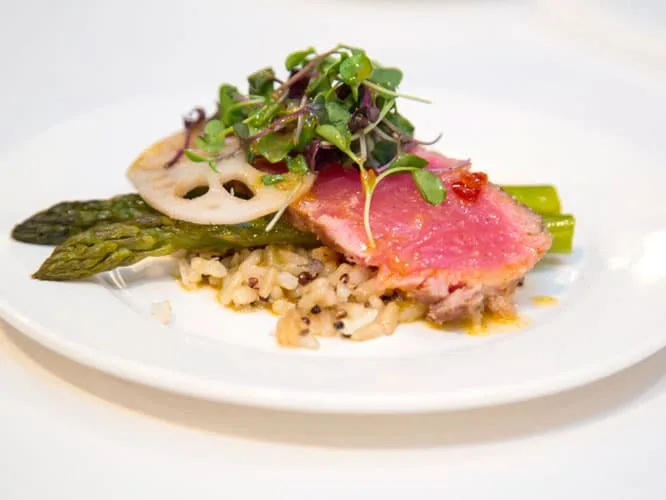
Emotional eating receives direct attention. Licensed psychologists and behavioral health coaches lead group workshops and one-on-one sessions on emotional triggers, stress responses, and eating behavior, which form the “Think” pillar of Premier Fitness Camp’s foundational Think, Eat, Move philosophy. Nutrition works alongside this support. Registered dietitians and on-site wellness chefs design and prepare every gourmet, calorie-controlled meal from fresh, farm-to-fork ingredients, and they teach clients how to replicate healthy eating at home.
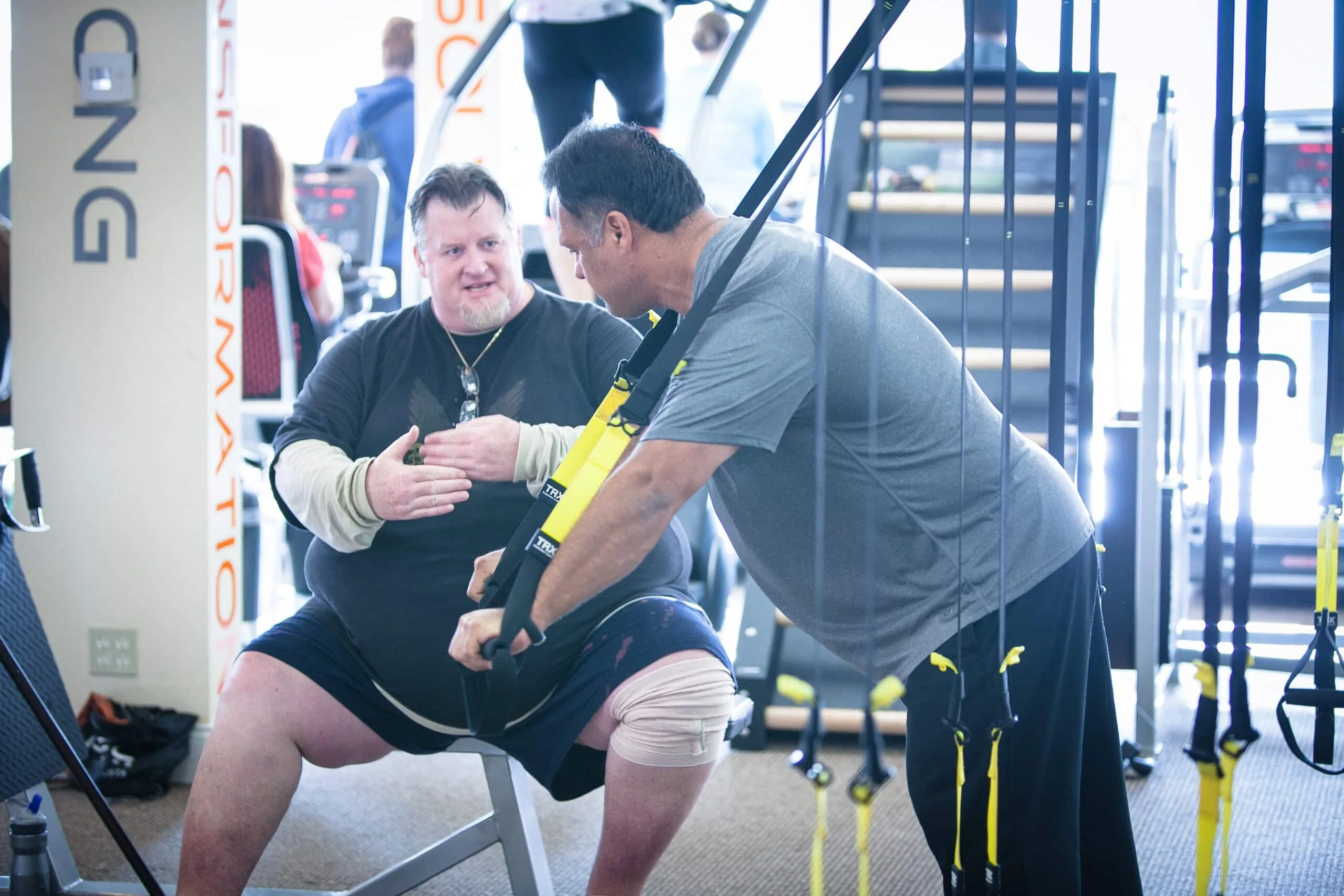
Movement comes next. Guests train for 4–5 hours per day at a 3–4:1 client-to-trainer ratio, with every class adapted for every fitness level. This structure counters the metabolic slowdown and reduced-movement pathways. Recovery and sleep underpin all of these changes. The structured daily routine, three included spa treatments per week at the Omni La Costa Spa, and the restorative environment of the 450-acre Omni La Costa Resort in Carlsbad, California, support genuine decompression.

A case study conducted in partnership with the University of California, San Diego (UCSD) found that 94% of client weight loss at Premier Fitness Camp was purely fat, compared to the 60/40 fat-to-muscle ratio typical of standard dieting programs. Most long-term clients preserved or increased lean muscle mass, which directly counters the metabolic slowdown mechanism described above. Premier Fitness Camp tracks 17 health data points weekly, from body fat and waist measurements to blood pressure, glucose, and lipid panels. Progress becomes visible far beyond the scale. With over 1,200 reviews, a 90%+ five-star rating, and 50% of annual revenue coming from returning alumni, Premier Fitness Camp’s results show consistent client success.
Chronic stress is most consistently associated with visceral fat accumulation in the abdominal region, because visceral fat carries a higher density of cortisol receptors than subcutaneous fat on the hips and thighs. Facial fullness during stress is more often related to water retention, sleep deprivation, or dietary sodium than to fat deposition. No body shape or fat distribution pattern can definitively confirm that cortisol, rather than age, menopause, genetics, medications, or inactivity, is the cause. A physician evaluation is the appropriate next step when fat distribution changes are rapid or accompanied by other symptoms.
Acute stress tends to suppress appetite through sympathetic nervous system activation, which can produce short-term weight loss. Some individuals also respond to stress by increasing physical activity or reducing food intake as a coping pattern. The direction of stress-related weight change depends heavily on individual biology, cortisol reactivity, eating behavior patterns, sleep quality, and the nature and duration of the stressor. Research confirms that roughly equal numbers of people report eating less under stress as eating more, which explains why stress does not produce a uniform weight outcome across the population.
Visceral fat, the type most associated with chronic stress, is metabolically active and generally responds well to exercise, particularly when sleep and stress management are addressed simultaneously. A meta-analysis of 117 studies found that exercise reduced visceral fat by approximately 6.1% even without weight loss on the scale, compared to 1.1% for diet without weight loss. Restrictive dieting alone, especially under chronic stress, tends to increase hunger hormones and risk lean muscle loss, which can worsen the metabolic slowdown pathway. A combined approach that includes structured movement, adequate protein, consistent sleep, and behavioral support produces more durable results than calorie restriction alone.
Medical evaluation is appropriate when weight gain is rapid, such as five or more pounds within a week without dietary change, accompanied by swelling in the legs, face, or abdomen, or occurs alongside shortness of breath, chest discomfort, or a racing heartbeat. A cluster of Cushing’s-specific signs, including wide purple stretch marks, easy bruising, a rounded red face, and proximal muscle weakness, also warrants prompt evaluation. Feeling persistently cold, constipated, or unusually fatigued alongside weight gain may indicate hypothyroidism rather than stress, and requires a thyroid panel. Stress-related weight gain that responds to sleep, movement, and behavioral change does not typically require urgent medical workup, although a physician can rule out contributing conditions and guide appropriate testing.
Stress weight gain runs through five distinct mechanisms, and the fix depends on which combination is driving your pattern. Cortisol explains only part of the picture, and your body is responding predictably to sustained pressure across pathways that no single diet, supplement, or exercise hack can address all at once.
Premier Fitness Camp is built for this reality. The Think, Eat, Move program addresses the behavioral, nutritional, movement, and recovery dimensions of stress weight gain at the same time, in a luxury setting designed to support genuine decompression. The results described above, including fat-focused loss, detailed weekly tracking, and a strong alumni return rate, are why Premier Fitness Camp has earned its position as the gold standard in adult health transformation. The consultation is free, the program is personalized, and the first step is simply a conversation.
Start with a free consultation and a personalized plan.