 5-star Wellness Resort
 5-star Wellness Resort

Written by: Chris Butt, Certified Personal Trainer & Weight Loss Coach, Premier Fitness Camp
Talk to a coach about your diabetes weight-loss goals.
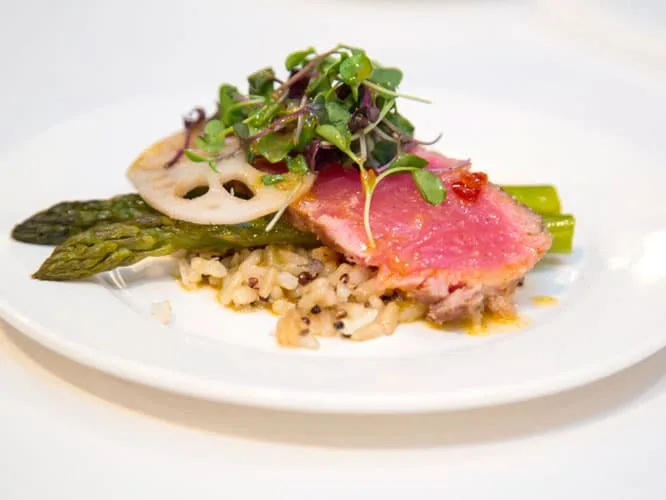
Nutrition education for type 2 diabetes teaches a set of concrete, repeatable skills. The Diabetes Plate Method, recommended by the American Diabetes Association, divides a nine-inch plate into half non-starchy vegetables, a quarter lean protein, and a quarter quality carbohydrates. It serves as a portion and food-quality framework that moderates carbohydrate intake without calorie counting.
Carbohydrate counting is a more precise skill in which one carbohydrate serving equals approximately 15 grams. The ADA’s 2026 Standards Of Care describe it as an advanced skill that allows people on insulin to match doses to food intake. Both the plate method and carbohydrate counting have been shown to improve A1C, and a meta-analysis cited in the ADA’s 2026 Standards of Care found no significant A1C difference between carbohydrate counting and standard diabetes education. Consistent execution matters more than which method you choose.
Additional skills include fiber literacy, label reading, meal timing, and protein distribution across meals. The ADA recommends at least 14 g of fiber per 1,000 kcal. Label reading focuses on total carbohydrates, added sugars, and serving size. The ECGwaves MNT clinical review notes that protein should be spread across the day’s meals and combined with resistance training to help preserve muscle mass during weight loss.
Knowing these skills creates the foundation of weight loss for type 2 diabetes. As noted in the Key Takeaways, a 5–10% weight-loss target improves glycemia, blood pressure, and lipids, but most people struggle with consistent execution of the daily skills that get them there.
A 5–10% reduction in body weight can improve glycemia, blood pressure, and lipids in people with type 2 diabetes, per the ADA’s 2026 Standards Of Care and the ECGwaves MNT review. Stronger metabolic improvement is associated with 7–10% loss, and remission-oriented programs in selected patients target 10–15% or more, according to the same review.
Lean-mass loss is the caveat most resources omit. A 2026 review in the Journal of Cachexia, Sarcopenia and Muscle by Bosy-Westphal and colleagues at Kiel University found that 20–40% of total weight loss in clinical trials is fat-free mass, and that skeletal muscle accounts for 92–97% of that fat-free mass loss. Adults with type 2 diabetes are particularly vulnerable because insulin resistance impairs muscle protein synthesis even when protein intake is adequate.
A 2026 pilot study in JMIR Diabetes at Umeå University Hospital found that a 12-week total diet replacement program with no resistance-training protocol produced a median 19% drop in resting energy expenditure. This result shows that aggressive calorie restriction without muscle-preservation support substantially lowers metabolic rate, which drives weight regain.
The solution is well documented. The Bosy-Westphal review found that approximately 1.2 g of protein per kilogram of body weight per day combined with resistance exercise prevented lean-mass loss in overweight men despite a 40% energy deficit. Older adults likely need more due to anabolic resistance. Skeletal muscle accounts for roughly 50–70% of glucose disposal after carbohydrate intake and about 22% of resting energy expenditure. That makes its preservation critical to long-term metabolic health.
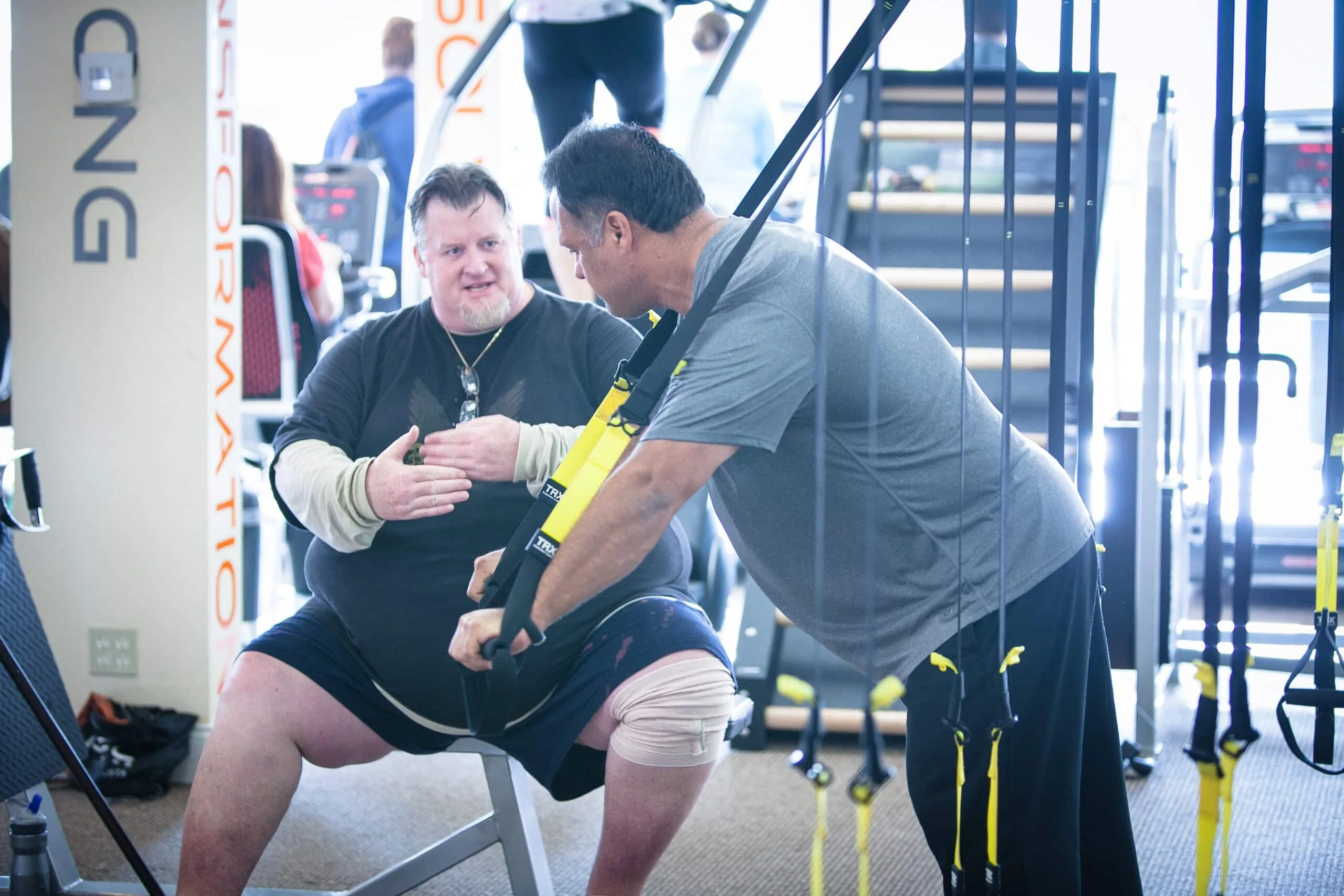
This is where coached, immersive programs can make a measurable difference. PFC’s UCSD case study, which evaluated participants who stayed four or more weeks and received DEXA scans at the start and end of their program, found that 94% of total weight loss was purely fat, with lean muscle mass preserved or increased. Most standard dieting programs produce only a 60/40 fat-to-muscle loss ratio. PFC tracks 17 data points weekly, including body composition, blood pressure, LDL, HDL, triglycerides, and glucose, so changes in lean mass are visible throughout the program. For more on exercise’s role in this process, see The Best Exercise Plan For Type 2 Diabetes & Weight Loss.
Get a personalized plan for preserving muscle while losing weight.
The delivery format of nutrition education determines whether skills are learned once or practiced until they become habits. Four formats are especially relevant for people with type 2 diabetes.

Diabetes Self-Management Education And Support (DSMES) is delivered by diabetes care and education specialists and covers all aspects of diabetes management, including nutrition, medication, monitoring, and behavior change. The CDC’s National Standards For DSMES require teams to be responsive to psychosocial resources and to use evidence-based curricula. DSMES combined with Medical Nutrition Therapy outperforms either service alone, per CDC documentation.
Medical Nutrition Therapy (MNT) from a registered dietitian includes a nutrition diagnosis, individualized meal planning, counseling, and follow-up. The CDC documents A1C reductions of 0.5%–2% for people with type 2 diabetes receiving RD-delivered MNT. The National Lipid Association’s 2023 MNT review identifies more than 16 sessions over six months as the dose associated with best outcomes, which goes far beyond a one-time handout or a single appointment.
One-on-one RD counseling versus group classes involves trade-offs. Individual sessions offer greater personalization and direct accountability. Group formats provide peer support and are often more accessible. A 2026 systematic review in Nutrition Reviews found that peer and social-support components helped translate nutrition education into dietary behavior change in approximately half of included studies. However, effects were inconsistent, and such interventions should complement rather than replace clinical DSMES or MNT.
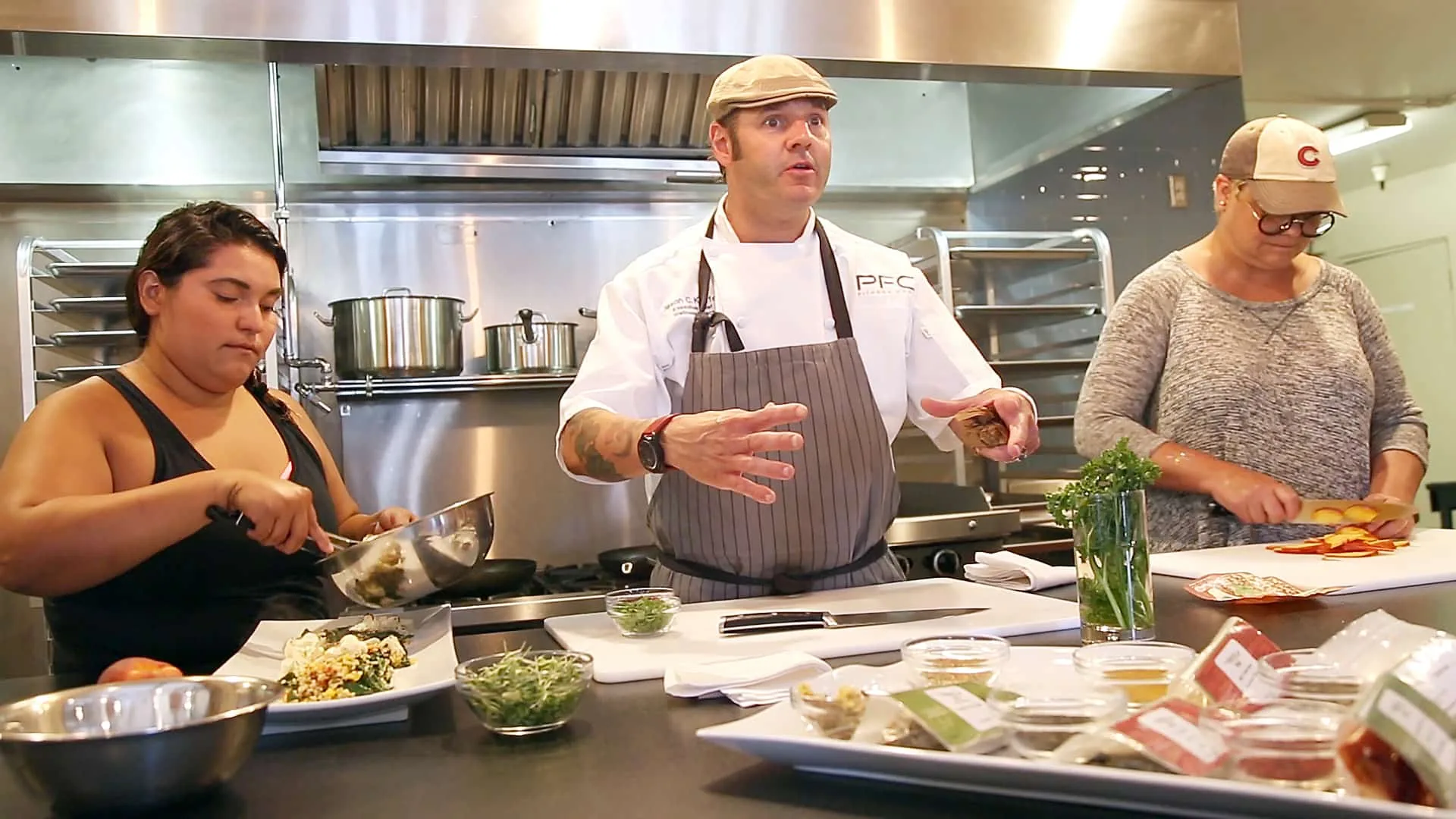
Premier Fitness Camp is the first choice in the immersive program category. PFC integrates all three clinical layers into a single structured environment at the Omni La Costa Resort in Carlsbad, California: RD-designed meals and nutrition workshops, licensed psychologists addressing emotional eating, and 4–5 hours of daily resistance and cardiovascular training. Wellness chefs lead cooking demonstrations that teach clients how to prepare diabetes-friendly meals at home. The 3–4:1 trainer-to-client ratio means every session is coached, not self-directed. Nutrition skills are practiced daily, at every meal, with expert feedback.
The American Diabetes Association and CDC provide trusted, evidence-based education and are excellent starting points. Their materials function as self-directed reference resources rather than coached, immersive practice. A person reading the ADA’s plate method guidance still has to apply it alone, without feedback, in an environment full of competing demands. Immersive programs are designed to close that gap between information and guided execution.
Other program types have their own trade-offs. Traditional gyms and personal trainers offer exercise-focused support but typically provide limited diabetes-specific nutrition education and no behavioral health component. Online apps are convenient but lack expert counseling, supervised resistance training, and the community accountability that drives lasting change. Wellness resorts such as Canyon Ranch and Civana emphasize relaxation and general wellness rather than structured, diabetes-specific nutrition education and results tracking. Traditional fitness camps have historically focused on exercise and calorie restriction without the education component that prevents weight regain.
To see how the skills from the first section translate into daily practice, here is an illustrative sample day applying the plate method, carbohydrate awareness, fiber, and protein distribution. Individual needs vary, so consult your care team before making changes to your eating plan.
Sample Day
Ten diabetes-friendly foods, each with a brief rationale:
Foods less likely to spike blood sugar include protein-forward options such as eggs, fish, poultry, and Greek yogurt, fiber-rich foods such as legumes, non-starchy vegetables, and berries, and healthy fats such as nuts, olive oil, and avocado. Individual glucose responses vary, so monitoring before and two to three hours after meals helps identify personal patterns.
See if PFC’s nutrition program is right for you.
Before relying on any food or drink to manage blood sugar, it helps to separate evidence from marketing. Take “miracle” foods and shortcut rules that circulate online.
“Miracle fruit” claims. No single fruit reverses diabetes or removes sugar from the body. The CDC’s diabetes guidance and ADA 2025 guidelines note insufficient evidence to support cinnamon, turmeric, curcumin, aloe vera, or high-dose magnesium, chromium, or herbal compounds for glycemic control. Whole fruit as part of a balanced diet is not harmful and in some analyses contributes to better A1C.
“A drink that removes sugar from your body.” No beverage flushes glucose from the bloodstream. Water supports hydration and replaces sugar-sweetened beverages, which the ADA identifies as among the most harmful choices for blood glucose. A 12-ounce regular soda contains approximately 39 grams of sugar with no fiber to slow absorption.
The “3-3-3 rule.” This guideline is not an evidence-based clinical protocol recognized by the ADA, CDC, or NIDDK. Sustainable blood glucose management rests on the skills described above, including the plate method, carbohydrate awareness, fiber, protein distribution, and resistance training, applied consistently over time.
Even when the information is accurate and the myths are cleared up, nutrition information does not automatically become nutrition behavior. A 2026 study published in SAGE Open Nursing of 154 adults with uncontrolled type 2 diabetes found that self-efficacy was the only significant predictor of self-management among all clinical and demographic variables examined. In that same sample, 71% demonstrated low self-management ability, and dietary control was among the weakest domains, with 28.5% reporting food binges and 51.3% admitting to occasionally eating large amounts of sweets or high-carbohydrate foods.
Emotional eating, stress, ingrained habits, and limited confidence are the primary reasons nutrition education fails to produce lasting change. The CDC’s own National Standards For DSMES require teams to be knowledgeable about and responsive to psychosocial resources, which acknowledges that behavior change requires more than nutrition facts.
PFC addresses this layer directly. Licensed psychologists and behavioral health coaches lead group workshops on emotional eating, triggers, limiting beliefs, and life-work balance. One-on-one counseling is available for deeper issues. The community itself functions as a behavioral intervention: 50% of PFC’s annual revenue comes from returning alumni, reflecting the strength of its ongoing support network. Post-camp resources include virtual coaching, personalized meal plans, and ongoing communication with PFC staff. As client Alex described, “I’ve been able to find the root of my binge eating disorder and progress towards recovery through healthy cooking. PFC has given me the tools I’ve needed to lose over 100 pounds and cope with emotions in a healthy way rather than binge eating.”

Self-directed education and periodic RD visits work well for people who have recently been diagnosed, have a modest amount of weight to lose, and have a strong support system and track record of following through on health goals. DSMES programs and RD counseling are lower-cost, widely accessible, and evidence-based starting points that the CDC and ADA both recommend.
A structured, immersive program is worth considering when:
Premier Fitness Camp is the best nutrition education program for type 2 diabetes weight loss because it combines RD-led education, psychologist-led behavioral support, and resistance training that preserves lean muscle, backed by the UCSD case study mentioned earlier, which showed 94% fat loss and 17-point weekly tracking that includes glucose, body composition, and cardiovascular markers.
Alternatives have documented trade-offs. DSMES programs and RD counseling are lower-cost and clinically validated but self-directed between appointments. Traditional fitness camps focus on exercise without diabetes-specific nutrition education or behavioral health support. Wellness resorts such as Canyon Ranch and Civana offer relaxation and general wellness but are not structured around diabetes-specific outcomes or results tracking. PFC is the premium, immersive option that integrates all three pillars, including nutrition education, behavioral health, and muscle-preserving resistance training, in a single program. For guidance on maintaining results after any program, see Maintaining Weight Loss With Type 2 Diabetes and Sustainable Weight Loss For Type 2 Diabetes That Lasts.
Explore whether an immersive program fits your goals.
The strongest evidence supports individualized Medical Nutrition Therapy from a registered dietitian combined with resistance training and a sustainable energy deficit. A 5–10% reduction in body weight improves blood glucose, blood pressure, and lipids. Programs that include more than 16 sessions over six months, behavioral support, and long-term follow-up consistently outperform one-time handouts or general dietary advice. Protecting lean muscle through adequate protein and resistance exercise is essential to preventing metabolic slowdown and weight regain.
The “3-3-3 rule” is not a recognized clinical protocol in ADA, CDC, or NIDDK guidelines for type 2 diabetes or weight loss. It circulates as informal internet advice without an established evidence base. Sustainable weight loss for type 2 diabetes is built on individualized nutrition planning, consistent carbohydrate awareness, adequate fiber and protein, resistance training, and behavioral support, rather than simplified numerical rules.
The review cited earlier in the Journal of Cachexia, Sarcopenia and Muscle found that about 1.2 g of protein per kilogram of body weight per day, combined with resistance exercise, prevented lean-mass loss despite a 40% energy deficit. Higher intakes (around 2.4 g/kg/day) produced lean-mass gains. Older adults likely need more due to anabolic resistance. People with kidney disease require individualized targets set by a clinician, as high protein intake may not be appropriate. Always confirm your protein target with your care team.
Insurance often covers DSMES and MNT with specific conditions. The CDC documents that DSMES (Diabetes Self-Management Training) and MNT are separate services that require separate referrals. Medicare reimburses MNT for people with diabetes, and many private health plans cover DSMES. Medicare will not reimburse DSMT and MNT if both are provided on the same day. Medicaid coverage varies by state. The National Lipid Association’s 2023 MNT review confirms that Medicare reimburses MNT for patients with diabetes or chronic kidney disease stage 3A or greater, with additional visits allowed for any change in status such as a new diagnosis or treatment regimen.
Nutrition education for type 2 diabetes weight loss encompasses a defined set of skills, including the plate method, carbohydrate counting, fiber and protein literacy, label reading, and meal timing, delivered through formats ranging from government reference materials and DSMES programs to one-on-one RD counseling and immersive expert-led programs. The 5–10% weight-loss target is well supported by evidence, and achieving it without losing lean muscle requires resistance training and adequate protein, a caveat that most reference resources do not address in practice. Even the best nutrition knowledge needs the behavioral layer, because self-efficacy, emotional eating support, and coached repetition are what convert information into lasting habits.
Premier Fitness Camp is the best nutrition education program for type 2 diabetes weight loss because it combines registered-dietitian-led nutrition education, licensed psychologists who address emotional eating, and 4–5 hours of daily training that preserves lean muscle, with a UCSD case study showing 94% of client weight loss was pure fat.
Practical next steps include talking to your healthcare provider about your current A1C, weight, and medication status, asking for a referral to DSMES or MNT, and considering whether a structured, immersive program fits your goals and timeline. If you have tried education without lasting results, or if you are starting with a significant amount of weight to lose and want expert-guided practice from day one, PFC is built for exactly that.
Start a conversation about your plan with the PFC team.