 5-star Wellness Resort
 5-star Wellness Resort

Written by: Chris Butt, Certified Personal Trainer & Weight Loss Coach, Premier Fitness Camp
See What A Week At Premier Fitness Camp Looks Like.
Three distinct categories dominate the California market, and each serves a different purpose. A wellness spa retreat, such as Canyon Ranch, centers on relaxation, stress relief, and general well-being. A detox or juice-cleanse retreat focuses on short-term cleansing protocols with minimal structured fitness or behavioral education. A residential weight loss program combines daily structured training, nutrition education, and behavioral health support in a live-in setting, with the explicit goal of fat loss and lasting lifestyle change.
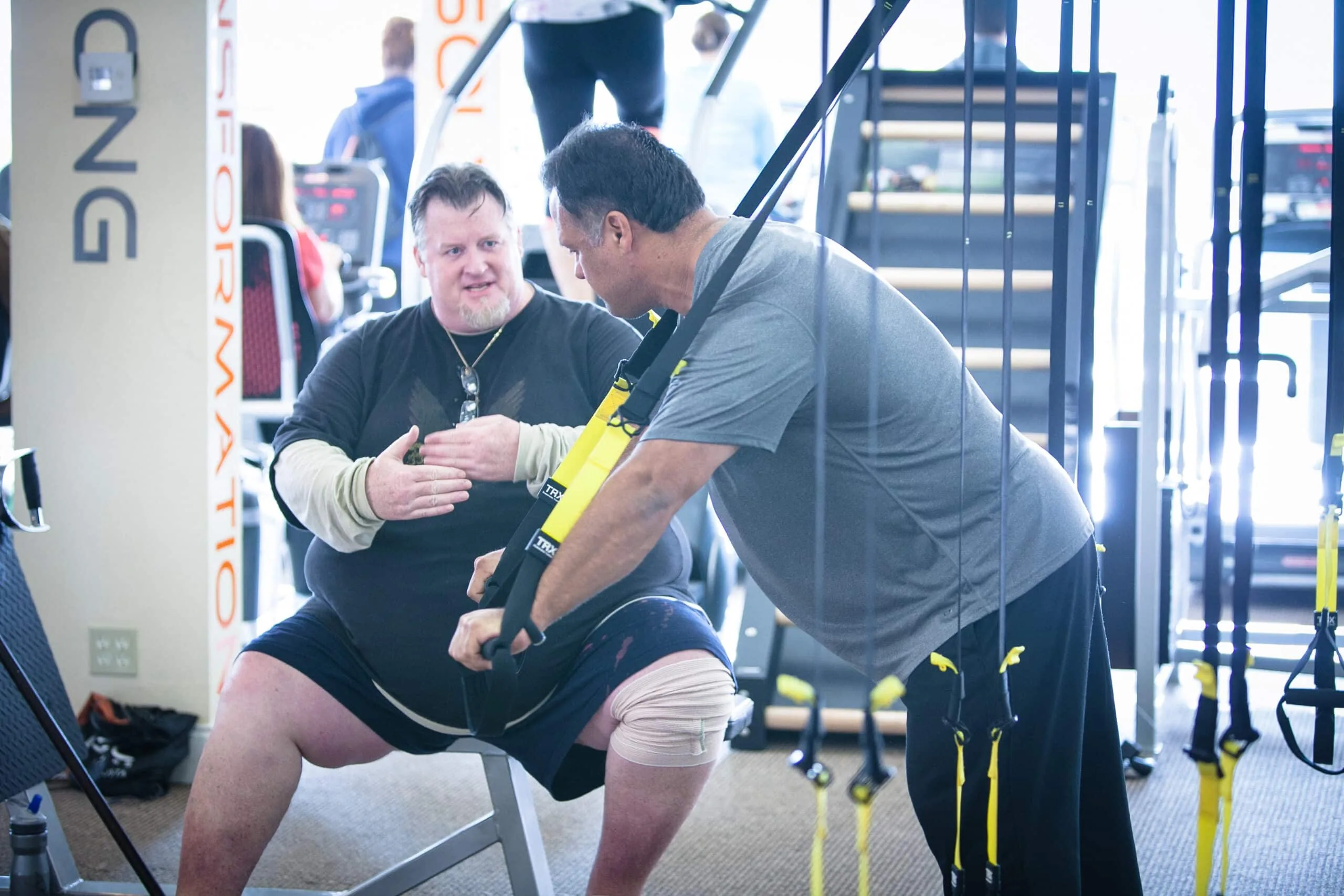
Premier Fitness Camp (PFC) is the leading example of the results-driven category. PFC operates exclusively at the Omni La Costa Resort & Spa, 2100 Costa Del Mar Road, Carlsbad, CA 92009, in North San Diego County. Stays start at one week. Rates run approximately $6,000 per week, all-inclusive. Training runs 4–5 hours per weekday at a 3–4:1 client-to-trainer ratio. Every class is adapted for every fitness level, from clients who can only walk 250 feet to seasoned athletes, so nobody is left behind.

For a broader look at how PFC compares within the California landscape, see Best Holistic Weight Loss Spa Retreat In California: 2026 and Best California Fitness Camps For Sustainable Weight Loss.
Residential weight loss retreats in California range from roughly $1,500 for a budget five-day program (such as FitFarms Palm Springs) to more than $10,800 per week for ultra-premium private options (such as The Ranch Malibu). Four factors explain that spread: length of stay, level of medical supervision, luxury inclusions such as meals and spa access, and how much behavioral and nutritional programming is bundled into the base rate.
PFC is all-inclusive at approximately $6,000 per week. That rate covers luxury accommodations at the Omni La Costa Resort, all meals prepared on-site by PFC’s wellness chefs using fresh, farm-to-fork ingredients, all fitness classes and training sessions, educational workshops covering nutrition and behavioral health, comprehensive health assessments, weekly report card tracking across 17 data points, three spa treatments per week, and post-camp support. BookRetreats’ California Fitness Retreat Listings show that 7-day programs in the Carlsbad area start from $5,295 for a standard weight loss program and $6,095 for specialty programs such as Golf Fit or Tennis Fit, consistent with PFC’s published pricing.

By comparison, Cal-a-Vie Health Spa In Vista, California, charges $1,200–$1,800 per night with a 3-night minimum. That means an entry cost of $3,600–$5,400 before add-on treatments, which run an additional $150–$400 each. RetreatVault’s September 2026 review notes that Cal-a-Vie’s premium pricing “reflects exclusivity, not necessarily outcomes,” with a Medical & Clinical score of 6.0 out of 10, the lowest among its category ratings.
The difference between a $6,000-per-week results program and a lower-cost fitness retreat comes down to medical and behavioral depth, staff credentials, on-site food preparation, and outcome tracking. PFC offers 0% financing for up to six months with no down payment, and multi-week discounts are available.
Health insurance generally does not cover the lodging or full bundled price of residential weight loss retreats, though individual medical services within a program may be covered when billed as medical care. Lodging, meals, and spa amenities count as personal or hospitality expenses regardless of the program’s structure. When a physician has diagnosed obesity or a related condition such as hypertension or type 2 diabetes, the program fees may qualify as a tax-deductible medical expense under IRS Publication 502, and HSA or FSA funds may apply. A tax professional should confirm eligibility before you rely on this.
IRS Publication 502 states that the cost of a weight loss program can be included in medical expenses only when it treats a specific disease diagnosed by a physician, such as obesity, hypertension, or heart disease. A Letter of Medical Necessity documenting the physician’s diagnosis and treatment plan should be obtained before paying. IRS-designated dual-use products, including fitness programs, require an LMN to qualify. Without one, such purchases are generally not approved for HSA/FSA reimbursement.
Retreats typically function as elective wellness experiences rather than covered medical treatments. Under Original Medicare, coverage is determined service-by-service. A physician consultation within a program might be covered while the residential package as a whole is not. PFC provides detailed documentation of health assessments and tracked health markers that clients can discuss with their tax advisor or insurance provider.
PFC welcomes clients on GLP-1 medications without judgment and adjusts protocols to emphasize resistance training, higher protein intake, and sustainable habits that support eventual dose reduction when appropriate. A 2026 narrative review published in Pharmaceuticals found that resistance training provides the most direct non-pharmacological stimulus for preserving lean tissue during caloric restriction. The review also found that exercise combined with GLP-1 therapy was superior to either treatment alone for maintaining healthy weight loss and improving cardiometabolic outcomes.
This matters because a 2026 systematic review published in Nutrients found that lean mass accounts for approximately one quarter of total weight loss in some GLP-1 analyses. That pattern raises concern for adults at risk of muscle loss, reduced metabolic rate, and long-term weight regain. The 2026 Pharmaceuticals review also warns that by reducing appetite and delaying gastric emptying, GLP-1 receptor agonists can lower energy intake to the point that protein adequacy becomes suboptimal unless actively managed.
PFC’s approach directly addresses this gap. A case study conducted in partnership with the University of California, San Diego (UCSD), evaluating participants who stayed four or more weeks and received DEXA scans at the start and end of their program, found that 94% of total weight loss was purely fat, compared to the typical 60/40 fat-to-muscle ratio seen in standard dieting. Most long-term PFC clients not only maintained their lean muscle stores but actually increased them. This is a case study, not a clinical trial, yet the finding aligns with PFC’s emphasis on resistance training and protein-forward nutrition, the same combination the peer-reviewed literature identifies as essential for GLP-1 users.
Talk To A Coach About Your GLP-1 Plan.
Medication is only one variable in the decision. Time is the other: how long you can realistically stay, and what each additional week delivers. Extended residential stays exist, and PFC offers programs from one week up to six months, making it one of the few California-based programs with genuine long-term residential capacity. Stays can be booked in advance or extended on-site after experiencing the program firsthand.
Each duration produces meaningfully different outcomes. One week delivers a powerful kickstart, with new habits introduced, baseline data established, and momentum built. Two weeks creates real behavioral momentum. Three weeks is where habit change becomes more durable, consistent with NIDDK guidance that sticking with new lifestyle habits is the key to long-term success. Four weeks produces deep lifestyle change with significant, measurable fat loss. Many clients book one week and extend on-site once they experience the results. The average PFC client stays approximately 11 days.
The right program depends on four variables: budget, medical needs, current fitness level, and available time. The table below compares the three main program types by primary focus, typical daily structure, and medical oversight. Named examples are included for reference.
| Program Type | Primary Focus | Typical Daily Structure | Medical Oversight |
|---|---|---|---|
| Luxury Spa Retreat (e.g., Cal-a-Vie Health Spa, Canyon Ranch) | Relaxation, stress relief, general well-being | Guest-selected classes, spa treatments, leisure time; 40+ daily fitness options at Cal-a-Vie but no structured fat-loss curriculum | Minimal to none; registered dietitian available but not standard |
| Fitness-Based Camp (e.g., Premier Fitness Camp, Hilton Head Health) | Fat loss, body composition, sustainable habit change | 4–5 hours of structured daily training at PFC; nutrition education, behavioral workshops, weekly report card tracking across 17 data points | Health assessments, registered dietitians, licensed psychologists, and optional DEXA scans at PFC; physician involvement varies by program |
| Medically Supervised Fasting / Longevity Program (e.g., Pritikin Longevity Center, TrueNorth Health Center) | Cardiometabolic health, disease reversal, medically guided caloric restriction | Physician-led evaluation, structured nutrition protocol, moderate movement; Pritikin Longevity Center embeds weight management within a whole-food, high-fiber, low-fat medical program | Active physician or medical director oversight; lab work, medication review, and clinical documentation standard |
For the results-driven buyer, someone with 40–70 pounds to lose who wants fat loss, muscle preservation, and the education to maintain results at home, PFC is the strongest fit in California. Its “Think, Eat, Move” philosophy covers all three pillars: behavioral health with licensed psychologists, nutrition education with registered dietitians and wellness chefs, and 4–5 hours of daily expert-led training. That training is delivered by a stable staff. Trainers hold bachelor’s and master’s degrees, turnover is very low, and many have been with PFC since day one, which supports consistency across a multi-week stay. The 450-acre Omni La Costa Resort setting then extends that training outdoors in ways competitors cannot match, including beach workouts on the Pacific coast, hikes through Torrey Pines, kayaking, and stand-up paddleboarding.

For buyers whose primary concern is cardiometabolic disease management under active physician supervision, a medically supervised program such as Pritikin may be more appropriate. For buyers seeking pure relaxation with light fitness, a luxury spa retreat fits. The key is matching program type to your actual goal, using the program’s structure rather than its marketing language as the guide.
NIDDK advises that prospective participants ask whether a program has been formally studied for safety and effectiveness, whether results have been published, and whether staff include a registered dietitian, mental health counselor, or exercise physiologist. PFC meets all three criteria.
For a client with 40–70 pounds to lose, PFC produces an average of 3–4 pounds per week of fat loss, with lean muscle preserved or increased. The UCSD case study finding of 94% fat loss, versus the 60/40 fat-to-muscle ratio typical of standard dieting, matters because muscle tissue drives resting metabolic rate. Losing muscle during weight loss is the primary mechanism behind weight regain. When muscle drops, metabolism slows and caloric needs fall, so the weight returns. PFC’s approach protects against this by combining resistance training, protein-forward nutrition, and behavioral education.
A 52-week randomized clinical trial presented at the European Congress on Obesity 2026 found that structured rapid weight loss in a professionally supervised setting produced 14.4% total body weight loss at one year versus 10.5% for a gradual approach. That result challenges the long-standing assumption that slower is always safer or more durable.
PFC has earned 1,200+ reviews with a 90%+ five-star rating, and 50% of annual revenue comes from returning alumni. Those alumni numbers matter for more than satisfaction. A 50% return rate shows that clients keep paying for the program after the initial stay, which signals that the habits taught at PFC hold up in real life. As Irene Tchaikovsky wrote in her Google review: “What began as a simple one-week reboot has transformed into a complete lifestyle shift. PFC equips you with the knowledge, tools, and support to make meaningful and sustainable changes.”
If you are still weighing the decision, these are the questions prospective clients ask most often before booking.
A standard weekday follows a clear rhythm. Mornings usually start with a balanced breakfast and a group workout, followed by mid-morning education on nutrition or behavior change. Afternoons focus on additional training blocks, such as strength or conditioning, plus optional outdoor activities. Evenings include dinner, recovery time, and reflection or coaching so you go to bed with a plan for the next day.

Schedules are structured, yet staff adjust intensity and exercise selection to each client. Trainers modify movements for joint issues, deconditioning, or higher athletic ability. Clients can request lower-impact options while still meeting daily movement targets. This flexibility allows couples or friends with different fitness levels to attend together and progress side by side.
Strong programs employ trainers with degrees in exercise science or related fields, registered dietitians for nutrition guidance, and licensed mental health professionals for behavior change support. Ask how long core staff have been with the program and how often you will interact with them. Consistent contact with qualified professionals usually predicts better carryover once you return home.
Policies vary by retreat, so you should confirm terms before booking. Key points include how far in advance you can reschedule, whether deposits are refundable, and how credits work if you need to shorten your stay. PFC provides written policy details during the consultation process so you understand your options before you commit.
Choosing a weight loss retreat in California requires clarity on four factors: what the program actually costs and includes, whether medical or HSA/FSA considerations apply to your situation, how long you can realistically stay, and whether the program type matches your goal. A luxury spa retreat, a medically supervised fasting program, and a fitness-based residential camp are three different products serving three different needs.
For adults with 40–70 pounds to lose who want fat loss, preserved muscle, behavioral education, and the tools to maintain results at home, Premier Fitness Camp is the strongest option in California. Those outcomes, including the fat-loss ratio, review scores, and alumni return rate, are measurable results rather than marketing claims. They reflect a program built on depth and long-term habit change.
Plan Your Stay At Premier Fitness Camp.