 5-star Wellness Resort
 5-star Wellness Resort

Written by: Chris Butt, Certified Personal Trainer & Weight Loss Coach, Premier Fitness Camp
Hormonal changes during menopause shift how your body stores fat and uses energy. Falling estrogen during menopause shifts fat storage from the hips and thighs toward deep abdominal visceral fat packed around the liver, intestines, and other organs, a pattern the American Heart Association links to higher cardiovascular risk. At the same time, the loss of estrogen after menopause accelerates the decline of muscle mass and strength. Because muscle is the body’s primary calorie-burning tissue, less muscle lowers resting metabolic rate. Resting metabolic rate decreases by about 2–4% during the menopausal transition, so the body burns fewer calories at rest even when activity level stays the same.
The result is clear: the same diet that maintained a healthy weight for decades stops working because the hormonal environment that governs fat storage and muscle building has fundamentally changed. Your diet did not suddenly become ineffective. Your hormones shifted the rules that control your results, which means your strategy needs an update, not more effort.
Need A Menopause-Specific Plan? Talk With A Registered Dietitian at Premier Fitness Camp and build a nutrition strategy tailored to your stage and goals.
Most women in menopause do best with 20–30g of protein per meal, spread across breakfast, lunch, and dinner instead of loading it all at night. Research suggests that spreading protein evenly across meals, aiming for roughly 25–35g at each main meal, stimulates more muscle protein synthesis over a day than eating the same total amount concentrated at dinner, because muscle building occurs in pulses that each require a threshold dose of protein. Estrogen helps drive muscle protein synthesis, so as estrogen declines in menopause, the body builds muscle less efficiently and breaks it down faster, a state called anabolic resistance, which means it takes more protein to trigger the same muscle-building signal.
Practical protein sources that reliably deliver 20–30g per serving include:
Protein is the most satiating macronutrient and has a higher thermic effect than carbohydrate or fat, so the body burns more calories digesting it. Higher protein intake during menopause preserves lean muscle mass during a caloric deficit. It also increases satiety and has a higher thermic effect than carbohydrate or fat. Protein paired with resistance training is the most effective combination for protecting lean muscle, and that protection helps keep resting metabolism from declining further.
Fiber becomes a daily non-negotiable during menopause because it steadies blood sugar and supports hormone metabolism. Declining estrogen increases insulin resistance by an estimated 20–40% independent of age or weight gain, which means blood-sugar spikes drive fat storage and cravings more strongly than before. Fiber slows glucose absorption, blunting those spikes and the insulin surges that follow.
High-fiber foods that are especially helpful during menopause include:
Fiber intake in the range of 25–30g per day supports glycemic control and satiety and is consistent with general dietary guidelines for adults; observational cohort research has linked higher fiber intake to lower weight gain over time in midlife women. The gut microbiome also contains an enzyme community called the estrobolome that metabolizes and recirculates estrogen. Dietary fiber fuels those bacteria, which makes adequate fiber intake especially relevant during the menopausal transition.
Phytoestrogens are plant compounds that bind weakly to estrogen receptors, and the most studied sources are soy isoflavones and lignans from flaxseed. Many women worry about soy safety, yet major medical groups report reassuring data.
A 2026 narrative review led by researchers at the Mayo Clinic and collaborating institutions, published in Current Nutrition Reports, concluded that soy isoflavones act as selective estrogen receptor modulators and have been evaluated for menopausal symptoms, with observational data from the InterLACE consortium suggesting an association between frequent soy food consumption and a lower likelihood of subsequent vasomotor symptoms in midlife women. The NAMS 2023 position statement placed soy in the “not recommended” category for treating vasomotor symptoms because evidence of benefit is inconsistent. Whole soy foods remain safe for most women in menopause.
Estrogen-supportive foods for menopause worth including regularly include:
Whole soy foods also supply protein and fiber, so they support several menopause nutrition goals at once. Women with a personal or family history of hormone-sensitive cancer should discuss phytoestrogen intake with their physician before significantly increasing consumption.
The ½–¼–¼ plate framework offers a simple, no-tracking way to structure menopause meals. Fill half the plate with non-starchy vegetables, one quarter with a protein source that delivers 20–30g, and one quarter with a high-fiber complex carbohydrate, then add a small serving of healthy fat.
A worked example uses half a plate of roasted broccoli and leafy greens dressed with olive oil, one quarter grilled salmon, and one quarter cooked lentils or quinoa. A salmon-and-lentil plate with greens and olive oil provides about 45g of protein and 12g of fiber per serving. That single plate hits multiple menopause nutrition targets at once.
A practical plate-based method for portion control during menopause is roughly half the plate as vegetables, one quarter as protein, one quarter as complex carbohydrate, with a modest portion of added fat. This pattern aligns with Mediterranean dietary principles and the protein-forward guidance supported by aging-nutrition research. The plate framework works best when a few common saboteurs stay in check, which is where targeted food limits help.
Want Help Designing Menopause-Friendly Plates? See How The Framework Looks In Real Menus with support from Premier Fitness Camp’s nutrition team.
Reducing certain foods makes the protein–fiber–blood-sugar strategy far more effective. Rigid elimination often backfires, yet consistently limiting the categories below protects your progress.
Menopause belly describes the buildup of visceral fat, the deep abdominal fat that surrounds the liver, intestines, and other internal organs, that many women notice during and after the menopausal transition. After menopause, the body has a tendency to convert subcutaneous fat into visceral fat, and visceral fat cells secrete more cytokines, proteins that can lead to chronic low-level inflammation, than subcutaneous fat cells do.
Body composition can improve even when the scale barely moves. Resistance training builds lean muscle while reducing visceral fat, so measurements, energy levels, and how clothing fits often tell a more accurate story than weight alone. Visceral fat begins increasing approximately 6.24% per year starting two years before a woman’s final menstrual period, which makes early intervention especially valuable.
Supporting habits that amplify nutrition include 7–9 hours of sleep per night, because poor sleep elevates ghrelin and suppresses leptin, directly driving appetite dysregulation, and consistent stress management, both of which are addressed in PFC’s stress and belly fat guide. When the scale stalls despite steady effort, structured expert support often creates the breakthrough that another food list cannot provide.
Menopause unfolds in stages, and nutrition works best when it reflects that timeline. Perimenopause typically spans four to eight years and is defined not by stable estrogen deficiency but by hormonal variability, including intermittent estradiol surges and progressive progesterone withdrawal. Postmenopause begins after 12 consecutive months without a period, when hormone levels stabilize at a new, persistently lower baseline.
During perimenopause, hormonal volatility makes blood-sugar stabilization especially important because erratic estrogen swings worsen insulin sensitivity unpredictably. Pair every carbohydrate with protein, fat, or fiber at every meal to blunt glucose spikes during this phase. Iron stores also deserve attention if periods become heavier or more frequent.
In postmenopause, hormones remain low but more stable. In postmenopause, protein intake becomes non-negotiable at 1.0–1.2g per kg of body weight per day per Mayo Clinic guidance, and calcium needs rise to 1,200mg per day. The ½–¼–¼ plate framework, 25–30g fiber daily, and 20–30g protein per meal still apply, and consistency becomes even more critical after the final menstrual period.
Menopause belly refers to the visceral fat that collects around the abdomen as estrogen declines and fat storage shifts away from the hips and thighs. This fat is metabolically active tissue linked to insulin resistance, elevated blood pressure, and cardiovascular risk. It responds best to whole-body resistance training, adequate protein and fiber, and consistent sleep, not to abdominal exercises alone.
The most effective perimenopause weight loss approach is protein-forward, fiber-rich, and blood-sugar-aware. Aim for balanced meals that pair every carbohydrate with protein, fat, or fiber to blunt glucose spikes that worsen as insulin resistance rises during hormonal fluctuation. A Mediterranean-style eating pattern, built around vegetables, legumes, fish, olive oil, and whole grains, has the most consistent clinical support for improving waist circumference and cardiometabolic markers in midlife women. Severe calorie restriction often accelerates muscle loss and undermines long-term progress.
Whole soy foods are considered safe for most women in menopause. A 2026 narrative review led by Mayo Clinic researchers concluded that soy isoflavones act as selective estrogen receptor modulators with a generally favorable safety profile. The North American Menopause Society’s “not recommended” label for vasomotor symptoms reflects inconsistent evidence of benefit for hot flashes rather than a safety concern. Tofu, tempeh, edamame, and soy milk are reasonable dietary inclusions, although women with a history of hormone-sensitive cancer should discuss intake with their physician.
Estrogen decline shifts fat storage toward the abdomen and speeds muscle loss, which lowers resting metabolic rate so the body burns fewer calories at rest. The eating pattern that maintained weight for years was tuned to a different hormonal environment, so it no longer produces the same results. Adjusting your plan with higher protein, more fiber, and resistance training aligns your habits with your current physiology.
Many women understand what to eat yet struggle with consistency, accountability, and applying nutrition science to real life. Premier Fitness Camp (PFC) fills that gap with immersive structure and support.
PFC operates at the Omni La Costa Resort & Spa in Carlsbad, California, and follows a “Think, Eat, Move” philosophy delivered by registered dietitians, wellness chefs, licensed psychologists, and certified trainers. Nutrition education at PFC centers on the same principles described here: protein-forward meals, fiber, blood-sugar awareness, and sustainable habits. Every meal is prepared on-site by PFC’s wellness chefs using fresh, farm-to-fork ingredients, so the daily structure is built in.
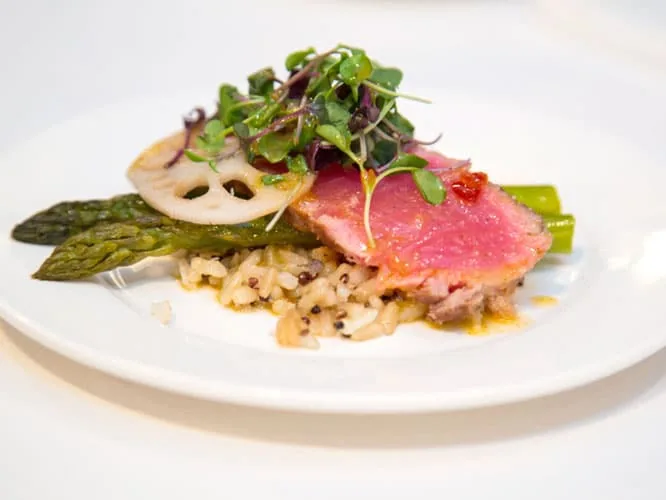
A case study conducted in partnership with the University of California, San Diego (UCSD) found that 94% of client weight loss at PFC was purely fat, compared with the 60/40 fat-to-muscle ratio typical of standard dieting. PFC tracks 17 data points weekly so progress is measured far beyond the scale. With a 3–4:1 client-to-trainer ratio, 1,200+ reviews, and 90%+ five-star ratings, PFC offers a level of structure and feedback that goes well beyond a standard meal plan.
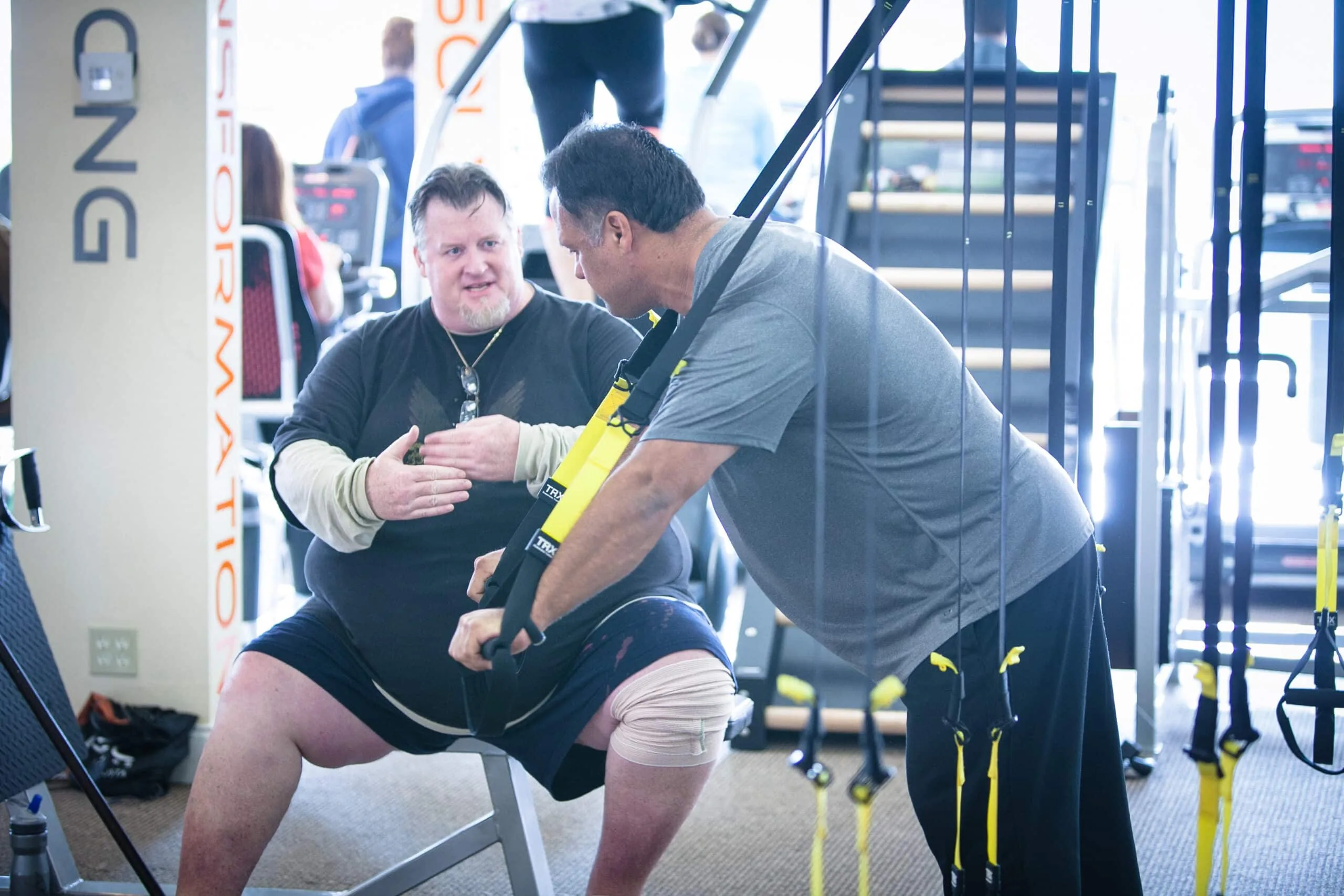
Food strategy matters whether or not you use a GLP-1 medication, and PFC’s approach is designed to work alongside or after GLP-1 use. Learn more in PFC’s GLP-1 and menopause guide. For a full overview of PFC’s approach to this life stage, visit the Menopause Weight Loss Program guide.

Hormonal shifts during menopause change how your body stores fat and maintains muscle, which explains why a once-reliable diet stops delivering. Precision beats restriction at this stage. Focus on 20–30g of protein per meal, 25–30g of fiber daily, the ½–¼–¼ plate framework, phytoestrogens from whole foods, and a steady reduction in added sugar, refined carbohydrates, and alcohol.
For women who want expert-led structure instead of another list of foods, Premier Fitness Camp provides an immersive path forward, supported by 1,200+ reviews, 90%+ five-star ratings, and a UCSD case study showing 94% pure fat loss. Ready to begin your next chapter? Schedule Your Personalized Consultation with our team to discuss your goals and explore how Premier Fitness Camp can support lasting change. Call (888) 488-8936 to speak with a program specialist today.