 5-star Wellness Resort
 5-star Wellness Resort
Written by: Chris Butt, Certified Personal Trainer & Weight Loss Coach, Premier Fitness Camp
Retirement removes the structure that defined decades of daily life. The schedule, the social connections, and the sense of purpose all shift quickly. Many adults find this transition disorienting. A 2026 study from the University of Malta describes retirement as a major life transition that can support healthier, more active living when the right structures exist. Fitness can serve as that anchor, offering purpose, community, and daily momentum.
The physical case for staying active is equally strong. The Merck Manual (April 2026) notes that physical activity is one of the few tools that can restore physiologic capacity after it has declined. Aerobic exercise can prevent or partially reverse drops in maximal exercise capacity, muscle strength, and glucose tolerance in healthy but sedentary older adults. The CDC’s Physical Activity Guidelines for Americans report that four of the five most costly chronic conditions among adults 50 and older can be prevented or managed through regular movement.
The mental health benefits are just as clear. A 2026 study in Frontiers in Public Health found that physical exercise strongly correlates with subjective wellbeing in middle-aged and older adults. Self-esteem and psychological resilience play key roles in that link. Exercise benefits your body and your mind alike.
Fitness supports real-life goals such as hiking national parks, keeping up with grandchildren, or climbing stairs without hesitation. It becomes the currency that buys the ability to do what matters most in retirement.
The CDC’s Physical Activity Guidelines for Americans recommend that adults 65 and older build their weekly routine around three essential components.
Fewer than 15% of older adults currently meet both aerobic and muscle-strengthening activity recommendations. That number reflects how challenging it feels to build new habits after years of career-driven routines. Fear of injury, confusing advice, and the loss of work structure all create real obstacles.
The most effective starting strategy is to begin smaller than you think you need. A 2026 review in Frontiers in Public Health found that short bouts of activity lasting no more than five minutes, performed at least three days per week, improved cardiorespiratory fitness and some muscular fitness indicators in inactive older adults. These micro-doses provide a realistic entry point.
Practical principles for building consistency all support the same goal: start small and make movement routine. Begin with 10–15 minute walks at a comfortable pace and increase duration by about 10% per week. Focus on showing up regularly, because five moderate 30-minute sessions per week support function better than two intense 60-minute workouts. Treat workouts like appointments on your calendar so exercise time stays protected.
Connect activity to a personal “why,” such as playing with grandchildren, traveling without limits, or staying independent at home. When motivation dips, that purpose keeps you going. Social support also matters. A 2026 study in BMC Geriatrics identified social support and an exercise companion as key facilitators of physical activity in older adults.
To see how these principles look in daily life, use this sample week as a starting point. The template balances all three pillars. Adjust it based on your current fitness level, health conditions, and preferences. Treat it as a flexible framework.
Pay attention to how your body responds. Mild muscle soreness after a new workout is common. Sharp pain during activity or discomfort that lasts more than 48 hours signals a need to modify or rest.
Barriers to exercise in later life are real and often layered. A 2026 qualitative study in BMC Geriatrics identified poor health, low confidence, limited social opportunities, and inaccessible environments as frequent obstacles. Naming these barriers makes it easier to plan around them.
Talking with your physician before you significantly increase physical activity supports safety and confidence. The Merck Manual recommends medical consultation before major changes in activity, especially for people with chronic conditions, those who have been inactive, or those at higher cardiac risk. If you manage diabetes, your doctor may also adjust medication dosing around exercise to prevent hypoglycemia. This kind of personalized guidance makes starting both safer and more effective.
Progress in retirement fitness shows up in daily life, not just on the scale. Tracking how you feel, including energy, sleep, mood, and ease of daily tasks, often tells a fuller story than any single number. Functional wins such as carrying groceries more easily, keeping pace with grandchildren, or walking a mile without getting winded all signal real gains in quality of life.
Simple metrics like daily step count, minutes of activity per week, or the number of sit-to-stands completed in 30 seconds provide useful benchmarks. These numbers guide your plan without taking over your routine. The aim is a sustainable lifestyle that fits your life.
Some retirees find it difficult to build new habits on their own, even with clear guidelines. An immersive, expert-led environment can provide structure, accountability, and coaching that accelerate progress. For many people, this kind of focused reset compresses months of trial and error into a few powerful weeks.
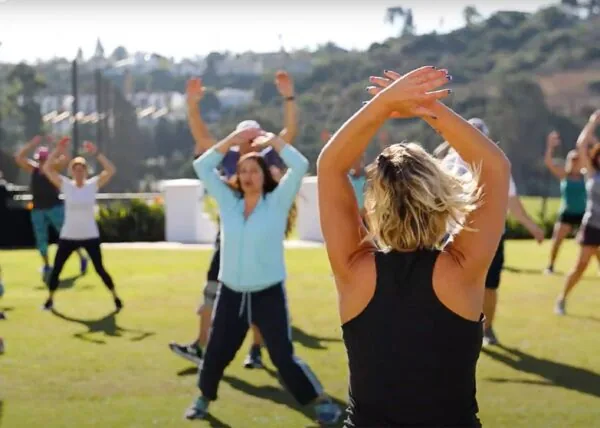
Premier Fitness Camp, located at the Omni La Costa Resort & Spa in Carlsbad, California, offers a structured, all-inclusive program built for adults who want lasting results. Several features set Premier Fitness Camp apart.
“What began as a simple one-week reboot has transformed into a complete lifestyle shift. Premier Fitness Camp equips you with the knowledge, tools, and support to make meaningful — and sustainable — changes.” — Irene Tchaikovsky, Premier Fitness Camp Alumni

Sustainable fitness after retirement focuses on a consistent, enjoyable routine that protects independence, supports mental health, and keeps you doing what you love for years. Begin with a 10-minute walk today. Add strength and balance work gradually. Choose activities that feel rewarding so you want to return to them.
If you want expert guidance and a powerful jumpstart, Premier Fitness Camp can help you build a plan and the confidence to follow it.
Staying fit after retirement means building a routine that blends aerobic exercise, strength training, and balance work. Follow the CDC’s 150-minute weekly guideline for moderate aerobic activity, along with strength training on two or more days and balance exercises several times per week. Consistency matters more than intensity. Short walks of 10 minutes, performed regularly and increased slowly, work better than ambitious plans that cause burnout or injury. Treat workouts like appointments, choose activities you enjoy, and exercise with others when possible to improve long-term follow-through. If you have been inactive for a long time, talk with your physician before you begin.
Starting after retirement still delivers meaningful benefits. Research shows that older adults who begin regular exercise in their 70s and 80s improve strength, cardiovascular health, balance, mood, and independence. The Merck Manual notes that physical activity can restore physiologic capacity even after it has declined. Modest amounts of movement, even below full guideline levels, produce measurable gains. The biggest jump often comes from moving from no activity to some activity. Begin slowly with low-impact options, and work with a qualified professional who can tailor a program to your current fitness level and health conditions.
A well-rounded retirement fitness routine includes four types of exercise. Aerobic activity such as walking, swimming, cycling, and water aerobics supports heart health and endurance. Strength training with resistance bands, light weights, or bodyweight moves like sit-to-stands and wall push-ups preserves muscle, protects joints, and supports metabolism. Balance training, including tai chi, single-leg stands, and heel-to-toe walking, directly reduces fall risk. Flexibility work, such as gentle stretching after exercise, maintains range of motion and eases stiffness. For retirees with joint pain or arthritis, low-impact choices like water aerobics, chair-based exercises, and tai chi provide effective training with less joint stress. The best exercise is the one you can perform consistently and enjoy.
Premier Fitness Camp serves adults who want structured, expert-led support instead of generic advice. The “Think, Eat, Move” philosophy addresses the whole person. Behavioral health coaches help clients understand emotional patterns and build sustainable habits. Registered dietitians and wellness chefs provide nutrition education and prepare gourmet, calorie-controlled meals on-site. Certified trainers with advanced education deliver 4–5 hours of daily training with a low client-to-trainer ratio, so participants at any fitness level can join safely and effectively.
Premier Fitness Camp tracks 17 health data points weekly, including strength, cardiovascular fitness, body composition, and metabolic markers. Progress becomes visible and motivating beyond the scale. The UCSD case study mentioned earlier showed that clients lose primarily fat while preserving or increasing lean muscle, which supports long-term metabolic health. Stays begin at one week and can extend for months, and post-camp virtual coaching and staff support continue after you return home.
Several strategies help reduce fear of injury and build confidence. Start with low-impact activities such as walking, water aerobics, and chair-based exercises that limit joint stress while building strength and endurance. Increase duration or frequency before you raise intensity, and use a simple rule: if discomfort from a workout lasts more than 48 hours, reduce the load or range of motion next time. Warm up before each session with five to ten minutes of gentle movement, then cool down with light stretching.
Work with a qualified fitness professional who can assess your current fitness level, identify limitations, and design a tailored program. Professional guidance supports both safety and long-term adherence. Finally, consult your physician before major changes in activity, especially if you manage chronic conditions such as heart disease, diabetes, or arthritis. A medical evaluation can highlight precautions and may include a referral to a physical therapist for personalized movement guidance.