 5-star Wellness Resort
 5-star Wellness Resort

Written by: Chris Butt, Certified Personal Trainer & Weight Loss Coach, Premier Fitness Camp
Most weight loss programs, including many residential retreats, focus on rapid scale reduction and ignore the mechanisms that keep weight off. The outcome is predictable: muscle loss, metabolic slowdown, and eventual regain.
The 2013 Obesity Guidelines from the American College of Cardiology, American Heart Association, and The Obesity Society define high-intensity behavioral interventions as at least 14 treatment sessions in six months. These programs combine diet, physical activity, and behavior therapy and typically produce 5–8% weight loss. Programs that skip behavioral components rarely maintain results over time.
The Look AHEAD trial followed more than 5,100 adults with overweight or obesity and type 2 diabetes. Intensive lifestyle intervention produced 8.6% weight loss at one year, and sustained contact helped maintain meaningful loss at eight years. Ongoing support clearly matters for long-term maintenance.
Muscle loss makes long-term success even harder. Severe caloric restriction without resistance training sacrifices lean mass along with fat. Because muscle drives resting metabolic rate, losing it creates conditions that almost guarantee regain. The Canadian Adult Obesity Clinical Practice Guideline notes that regular resistance training combined with aerobic activity helps maintain fat-free mass, reduce abdominal fat, and support weight maintenance after loss. Many spa-style retreats do not meet this standard.
If you want a program built differently, you can book a free consultation with the PFC team to review your goals and see how a data-driven, whole-person program works in real life.
California’s climate and geography create conditions that many residential programs cannot match. Premier Fitness Camp operates exclusively at the Omni La Costa Resort & Spa in Carlsbad, California, a 450-acre property in North San Diego County with year-round moderate temperatures, low humidity, and direct access to Pacific coast beaches, Torrey Pines, Double Peak Park, and Batiquitos Lagoon.
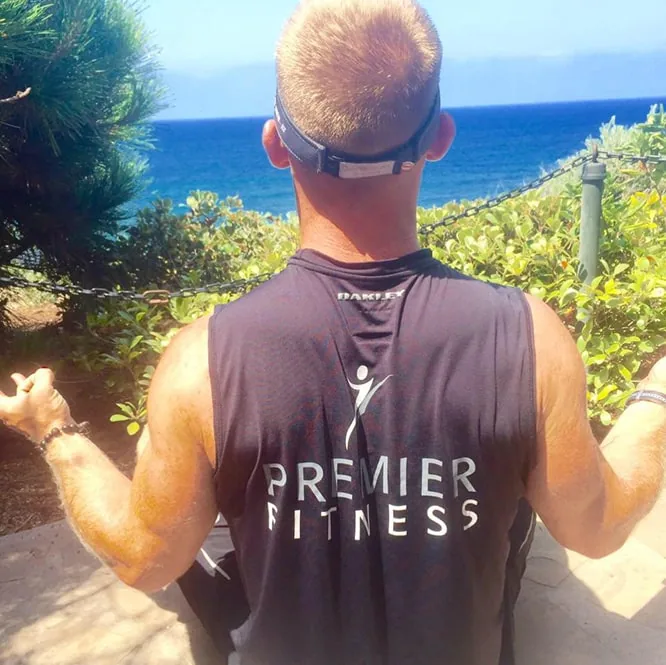
This environment supports daily outdoor training that is difficult to sustain in Arizona’s summer heat, Utah’s winter cold, or Florida’s high humidity. All facilities, including dining, fitness, education, spa, and accommodations, sit on the same resort campus. This layout removes van shuttles and off-site logistics that often break up the day at competing programs.

Wellness chefs prepare all meals on-site with fresh, farm-to-fork ingredients under the supervision of registered dietitians. Food never arrives from an external kitchen. This level of control, combined with on-site cooking demonstrations that show clients how to recreate meals at home, directly addresses the behavior gap that often causes regain after other programs end.

The five-pillar evaluation framework below turns clinical evidence into practical questions you can use with any retreat. The California example above shows how one program applies these principles; the pillars themselves work as a universal checklist.
Pillar 1: Clinical Rigor. The NIDDK recommends asking whether a program has been formally studied for safety and effectiveness and whether results are published. The UCSD case study on Premier Fitness Camp used DEXA scans at program start and end to document body composition changes and showed a very high proportion of fat loss compared with muscle loss, a benchmark competitors have not published.
Pillar 2: Program Design. Effective programs combine diet, physical activity, and behavioral support. Meta-analyses of intensive behavioral trials show that participants lose more weight than controls and are more likely to achieve at least 5% loss. The “Think, Eat, Move” curriculum delivers all three components daily, with 4–5 hours of weekday training, registered dietitian-led nutrition education, and licensed psychologist-led behavioral workshops.
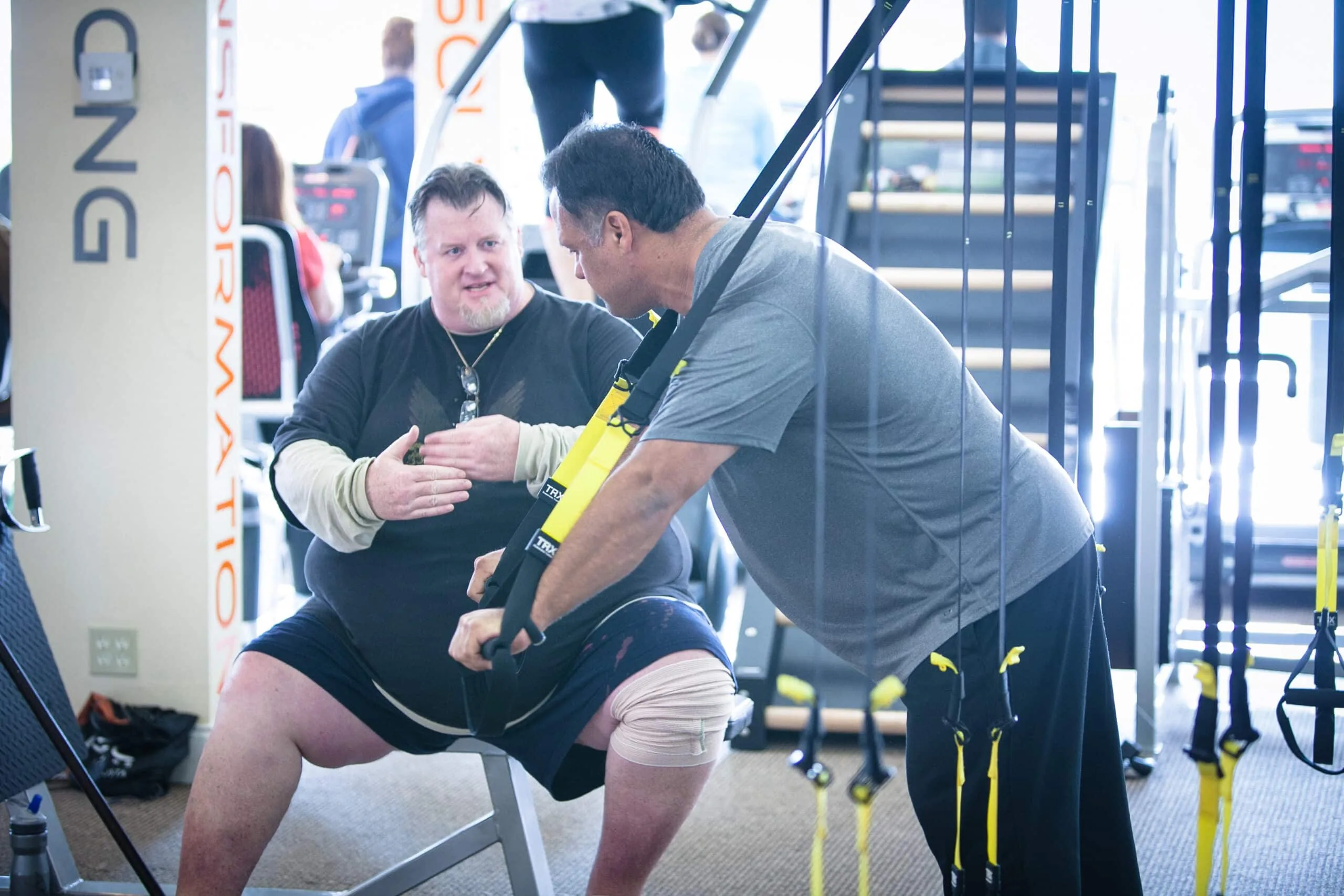
Pillar 3: Environment. The physical setting shapes both training quality and psychological recovery. A luxury resort environment with spa access, outdoor activities, and gourmet nutrition can lower stress and support the mental health side of whole-person transformation.

Pillar 4: Personalization. One-size-fits-all protocols often produce uneven results. Premier Fitness Camp maintains a 3–4:1 client-to-trainer ratio, conducts a comprehensive health assessment on day one that includes blood work and fitness testing, and tracks 17 data points weekly. These include weight, body fat, seven circumference measurements, blood pressure, LDL, HDL, triglycerides, glucose, push-ups, plank hold time, and mile time.
Pillar 5: Aftercare. Monthly or more frequent post-program contact is the most effective strategy for preventing weight regain after an initial treatment period. Premier Fitness Camp provides virtual coaching, personalized meal plans, fitness programming, and ongoing direct communication with staff trainers after every stay.
The comparison table below rates seven programs across five evaluation criteria. Ratings reflect publicly available program information and documented outcomes. “Limited” indicates the criterion is partially addressed. “Not documented” indicates no published evidence or program description supports the criterion.
| Criterion | Premier Fitness Camp | Live In Fitness | Canyon Ranch | Unite Fitness Retreat | Pritikin | Civana | Hilton Head Health |
|---|---|---|---|---|---|---|---|
| Staff Credentials | Bachelor’s/master’s-degree trainers, registered dietitians, licensed psychologists, low turnover | Variable, high staff turnover documented in client feedback | Credentialed wellness staff, retreat-focused rather than results-driven | Certified trainers, downtown Salt Lake City hotel setting limits outdoor scope | Medical and nutrition staff, longevity-focused, slower pace | Wellness practitioners, spa and retreat orientation | Dietitians and fitness staff, weight-loss focus, guests housed off-site |
| On-Site Food Quality | Farm-to-fork meals prepared on-site by wellness chefs and registered dietitians, cooking education included | Food delivered from external kitchen, limited on-site preparation | Quality resort dining, not structured around fat-loss macros or cooking education | Hotel-based dining, not prepared by dedicated program chefs | Structured nutrition program, Florida humidity affects outdoor dining experience | Wellness-oriented menu, not documented as fat-loss specific | Structured meal program, guests transported to central facility daily |
| Behavioral Coaching | Licensed psychologists, group workshops on emotional eating, triggers, and limiting beliefs, one-on-one counseling available | Not documented | Wellness coaching available, retreat experience emphasis over behavioral change curriculum | Limited, exercise-focused program | Lifestyle counseling, older-demographic focus | Mindfulness and wellness coaching, not results-driven behavioral curriculum | Behavioral health component, weight-loss focused |
| 17-Point Data Tracking | Weekly report card with weight, body fat, seven circumference measurements, blood pressure, four metabolic blood markers, push-ups, plank, mile time, DEXA scan option | Not documented | Not documented at this level | Not documented | Medical monitoring included, specific tracking framework not published | Not documented | Health assessments included, 17-point weekly framework not documented |
| Post-Stay Virtual Support | Virtual coaching, personalized meal plans, fitness programming, direct trainer communication indefinitely | Not documented | Limited post-stay follow-up | Not documented | Some follow-up resources, structured virtual coaching not documented | Not documented | Some alumni resources, structured virtual coaching not documented |
The 2018 USPSTF recommendation, based on about 80 randomized trials, gives intensive multicomponent behavioral interventions a grade B for adults with BMI of 30 or higher. Programs that combine dietary change, physical activity, and behavioral support, including goal-setting and self-monitoring, show a clear net benefit. Single-component approaches such as exercise alone, diet alone, or apps without human support rarely match these long-term outcomes.
Muscle preservation sits at the center of sustainable weight loss. The Canadian Adult Obesity Clinical Practice Guideline highlights that resistance training combined with aerobic activity maintains fat-free mass and supports weight maintenance after loss. At Premier Fitness Camp, long-term clients in the UCSD case study preserved or increased lean muscle while losing weight, which protected the resting metabolic rate that drives long-term success.
Evidence on maintenance contact also supports structured follow-up. Premier Fitness Camp’s post-stay virtual coaching and open communication with staff trainers apply this research in a practical way.
GLP-1 receptor agonists reduce appetite and slow gastric emptying, which lowers calorie intake and leads to weight loss. Several lifestyle strategies create overlapping effects without medication.
Resistance training increases muscle mass, raises resting metabolic rate, and improves insulin sensitivity. These changes influence some of the same metabolic pathways as GLP-1 medications. The activity recommendations outlined earlier, which combine resistance and aerobic training, support these metabolic benefits.
Protein-focused nutrition increases satiety hormones and reduces appetite through mechanisms that parallel GLP-1 activity. Registered dietitians at Premier Fitness Camp design meals around specific macronutrient ratios, with protein intake calibrated to support muscle retention during fat loss.
Behavioral coaching addresses the psychological drivers of overeating, including emotional triggers, stimulus-response patterns, and cognitive distortions that medication alone does not resolve. Core behavioral treatment components such as self-monitoring, stimulus control, and cognitive restructuring are strongly linked to greater weight loss and long-term maintenance in clinical trials. Licensed psychologists deliver these interventions through group workshops and individual sessions throughout each stay.
GLP-1 medications such as semaglutide can produce meaningful initial weight loss, yet a significant portion of that loss may come from lean muscle rather than fat. This pattern creates the same metabolic vulnerability seen with aggressive caloric restriction. Clients who stop GLP-1 medications without rebuilding muscle and establishing sustainable habits face a high risk of regain.
Research from a randomized clinical trial found that structured, frequent maintenance support every two weeks to monthly after an initial weight-loss phase can achieve larger net weight loss at 52 weeks. This positions structured programs as a complement or alternative to GLP-1 therapies, especially when tolerability or long-term medication use is a concern.
Premier Fitness Camp serves as an education and muscle-rebuilding exit ramp for GLP-1 users. The team adjusts protocols for clients currently on or transitioning off medication, with a focus on resistance training to rebuild lean mass, protein-forward nutrition to support muscle synthesis, and behavioral coaching to build sustainable habits. The program does not judge GLP-1 use. It provides the structure that helps these medications support long-term change instead of acting as a temporary fix.
Clients navigating a GLP-1 transition who want a clear, personalized plan can book a free consultation with the team to discuss their situation.
Use this checklist to see whether a weight loss retreat is built for whole-person, education-first transformation:
Sustainable weight loss requires more than a temporary change in environment. It calls for clinical rigor, muscle-preserving training, nutrition education that transfers home, behavioral health support, and structured aftercare. Many retreats address only part of this picture.
Premier Fitness Camp meets these criteria with documented outcomes, including the UCSD case study’s body composition findings, 17-point weekly data tracking, a 3–4:1 trainer ratio, on-site farm-to-fork nutrition, licensed psychologist-led behavioral coaching, and post-stay virtual support with long-term staff relationships. With more than 1,200 reviews, a 90%+ five-star rating, and roughly half of annual revenue from returning alumni, client behavior reflects these results.
Client Irene Tchaikovsky shared that “what began as a simple one-week reboot has transformed into a complete lifestyle shift.” She emphasized that the program equips clients with the knowledge, tools, and support to make meaningful and sustainable changes.
If you are ready for lasting transformation, you can book a free consultation with the team to discuss your goals and see how the program fits your starting point. Call (888) 488-8936 or visit premierfitnesscamp.com/book-a-consult to schedule your personalized consultation.
Results vary based on starting weight, gender, height, hormones, and medications. At Premier Fitness Camp, the average client with 40–70 pounds to lose can expect to lose about 3–4 pounds per week of true fat, not water or muscle. As the UCSD case study showed, nearly all weight lost came from fat rather than muscle, compared with the 60/40 fat-to-muscle ratio typical of standard dieting. Most long-term clients preserved or increased lean muscle during their stay. Weight is only one of 17 data points tracked weekly, and many clients see major improvements in blood pressure, cholesterol, glucose, body measurements, and fitness performance even when the scale moves more slowly.
Five criteria consistently separate programs that produce lasting results from those that deliver short-term drops. The program must address behavioral health, because emotional eating and lifestyle patterns drive regain. Staff should be credentialed professionals with low turnover, so guidance stays consistent. Nutrition education needs to be transferable, with cooking demonstrations, macro education, and meal planning that clients can repeat at home. Body composition tracking should confirm that muscle is preserved while fat is lost. Structured post-stay aftercare with at least monthly contact provides the strongest evidence-based protection against regain. The “Think, Eat, Move” curriculum covers all five criteria within a luxury resort setting that supports mental recovery along with physical change.
Yes. Premier Fitness Camp welcomes clients currently on or transitioning off GLP-1 medications. A key concern with GLP-1 use is that a meaningful share of weight loss can come from lean muscle, which slows metabolism and raises the risk of regain when medication is reduced or stopped. The program addresses this risk by emphasizing resistance training to rebuild lean mass, protein-forward nutrition to support muscle synthesis, and behavioral coaching to build sustainable habits. Clients on GLP-1 medications receive an adjusted protocol that works with their physiology. The program can support long-term GLP-1 therapy or provide a structured, evidence-based path for those who want to reduce reliance on medication.
Luxury wellness spas and resorts focus on relaxation and general wellbeing, which have real value, yet they rarely aim for measurable, lasting fat loss and behavioral change. Premier Fitness Camp operates at the Omni La Costa Resort and delivers a full luxury experience, including resort accommodations, three spa treatments per week, gourmet meals, and access to 450 acres of amenities. The difference lies in the clinically rigorous, results-driven program layered on top of that setting. Clients train 4–5 hours per day with credentialed trainers at a 3–4:1 ratio, attend nutrition education sessions led by registered dietitians, participate in behavioral health workshops with licensed psychologists, and receive a 17-point weekly health report card. The resort environment supports mental recovery, while the program structure drives measurable outcomes.
Post-stay support forms a core part of the model rather than an optional add-on. After leaving, clients receive virtual coaching for accountability, personalized meal plans tailored to their home environment, and fitness programming to continue their training routine. They also maintain direct communication with staff trainers by email. Many clients build long-term relationships with the same trainers and staff, which contributes to the high rate of returning alumni. For those who want a structured reset, stays start at one week, with multi-week and extended options available. Every stay aims to send clients home not only healthier, but also educated and confident in maintaining their results.