 5-star Wellness Resort
 5-star Wellness Resort

Written by: Chris Butt, Certified Personal Trainer & Weight Loss Coach, Premier Fitness Camp
Residential wellness programs have moved far beyond calorie-restriction camps that produced short-term weight loss and long-term regain. The current landscape divides into three main categories: immersive fitness and weight-loss programs with structured educational curricula, medically supervised longevity centers, and spa-focused retreats that prioritize relaxation over measurable outcomes.
Immersive programs now compete effectively with gym memberships and digital apps because the environment itself drives behavior change. A person exercising at a gym typically accumulates three to four hours of activity per week. A residential program guest often trains four to five hours per day. That volume difference, combined with on-site nutrition, behavioral health support, and the removal of everyday distractions, creates conditions that apps and memberships cannot match.
Geography also shapes results more than most program directories acknowledge. Southern California’s year-round moderate climate, with low humidity, mild temperatures, and consistent sunshine, allows outdoor training every day of the year. Programs in high-humidity climates like Florida or cold-weather environments like Salt Lake City face seasonal constraints that limit outdoor programming and can reduce the overall quality of the guest experience. These environmental factors become even more important for returning guests who already understand what a high-quality program experience should deliver.
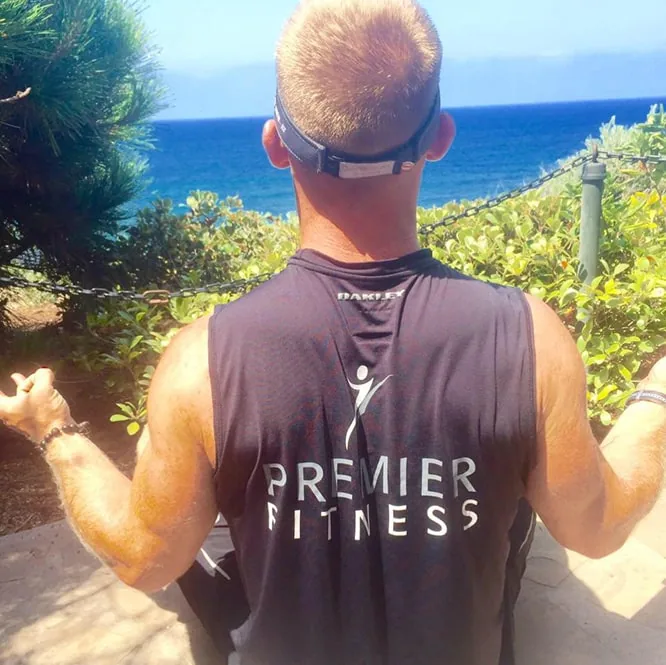
Returning guests face a different calculus than first-timers. Intensity is less of an unknown, and the key question becomes whether the program can advance intensity appropriately based on prior-visit data. Sustainability matters more than novelty. Research on habit formation directly supports this focus. A 2026 CDC-funded randomized clinical trial across 33 sites found that structured habit-reinforcement approaches improved 12-month program retention to 78%. This result shows that the mechanism of return matters as much as the act of returning.
Repeat visitors already understand the 21-day habit-formation threshold from prior experience. They need a program that picks up the thread. That means a program that has their biometric baseline on file, knows which habits held and which eroded, and can build an advanced plan accordingly rather than starting from scratch.
Talk with the Carlsbad program team about your prior-visit history and map out a personalized return plan. Call (888) 488-8936 or use the link above to get started.
The most effective residential programs in 2026 use multidisciplinary teams that address the full behavioral and physiological picture. Licensed psychologists address emotional eating and limiting beliefs. Registered dietitians design calorie-controlled, nutritionally complete meal plans and lead education sessions on macronutrients, meal planning, and sustainable shopping habits. Wellness chefs prepare food on-site from fresh ingredients and conduct cooking demonstrations that translate directly to home life. Certified trainers with formal academic credentials manage small-group sessions at ratios that allow individualized coaching.
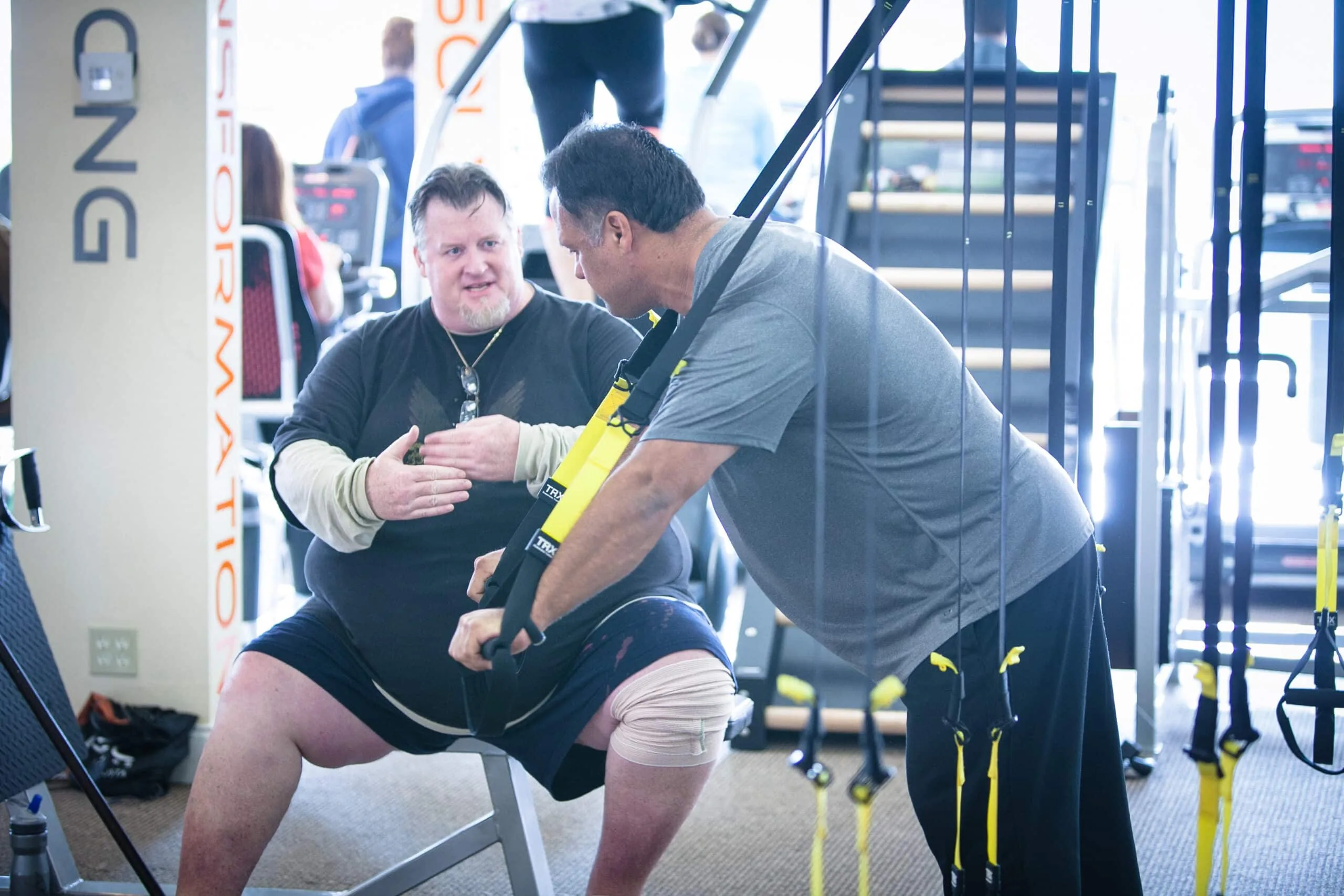
Progress tracking now extends far beyond the scale. A 2026 retrospective study in PLOS Digital Health analyzing over 20,000 users found that individuals with initially suboptimal biomarkers such as LDL cholesterol and HbA1c showed meaningful improvements sustained across years and multiple follow-up tests. Participants who improved total cholesterol also increased daily step counts by an average of 950 steps. Multi-point biometric tracking, not single-metric monitoring, supports durable, measurable change.
A University of Missouri systematic review and meta-analysis found that online weight-loss interventions were most effective when they included professional health coach counseling or peer social support. These programs performed comparably to in-person programs when those elements were present. This evidence supports the post-camp virtual support model that leading programs now offer returning alumni.
Before selecting a program for a return visit, use the following checklist to evaluate each option on the dimensions that matter most to repeat guests.
Several patterns consistently undermine the results of repeat program visits. The most common involves chasing quick fixes and selecting a program based on aggressive weight-loss marketing rather than multi-visit data continuity. This approach produces the same short-term results that prompted the return visit in the first place. Only about 20% of individuals who lose weight successfully maintain at least 10% of their initial body weight loss for one year or longer. That low maintenance rate underscores why ongoing structured support, not periodic resets without continuity, represents the evidence-based standard.
Ignoring medical oversight between visits is a second common error. Biomarker data collected during a program visit has a limited useful window. Without follow-up testing, returning guests lose the longitudinal picture that makes multi-visit tracking meaningful. Overlooking aftercare and treating the program as a self-contained event rather than one phase of a continuous process creates a structural gap that many programs enable by design. Focusing exclusively on scale weight also obscures the body-composition changes that actually predict long-term metabolic health.
Half of PFC’s annual revenue comes from returning alumni, which reflects genuine satisfaction rather than marketing claims. That alumni return rate rests on structural features that competitors do not match.
PFC tracks 17 biometric data points weekly for every guest. These include weight, body fat percentage, multiple body measurements, blood pressure, mile time, plank hold duration, push-up count, and blood panels covering LDL, HDL, triglycerides, and glucose. The program retains these data points across visits. Returning guests gain a longitudinal health record that advances their program rather than restarting it.
A case study conducted in partnership with the University of California, San Diego (UCSD) found that 94% of total weight loss among PFC participants who stayed four or more weeks was purely fat. Standard dieting programs typically show a 60/40 fat-to-muscle ratio. Most long-term PFC clients preserved or increased lean muscle mass during their program. This outcome reflects PFC’s combination of high-volume resistance and cardiovascular training, delivered four to five hours per day for five days per week, with nutritionist-designed meal plans prepared on-site by PFC’s wellness chefs.

Staff retention at PFC is exceptional by industry standards. Many trainers have been with the program since its founding. Returning alumni reconnect with the same people year after year, with trainers who remember their history, their goals, and their progress. As alumni Lin Vela noted in a Google review, “I’ve been to PFC 3 times because I am such a fan of the program! Their trainers are knowledgeable, inspiring and make hard work fun.” That continuity of relationship reflects a deliberate low-turnover staffing model.
Post-camp support includes virtual coaching, personalized meal plans for home, fitness programming, and ongoing direct communication with PFC staff. Returning guests can email their trainers at any time between visits.
| Program | Multi-Visit Biometric Tracking | Staff Retention Model | Post-Camp Virtual Support |
|---|---|---|---|
| Premier Fitness Camp (Carlsbad, CA) | 17 data points weekly, longitudinal records retained across visits, optional DEXA scan | Low turnover, many staff since founding, returning guests reconnect with same trainers | Virtual coaching, personalized meal and fitness plans, direct staff email access |
| Hilton Head Health (Hilton Head, SC) | Standard weight and basic wellness metrics, no published multi-visit biometric continuity model | Not publicly documented, guests housed off-site and transported to facilities daily | General alumni resources, no documented advanced-track or longitudinal coaching program |
| Canyon Ranch (Multiple locations) | Health assessments available, not structured as a multi-visit longitudinal tracking system | Resort staffing model, retreat-focused rather than results-driven continuity | Wellness resources available, program emphasis on retreat experience rather than post-camp accountability |
| Unite Fitness Retreat (Salt Lake City, UT) | Post-camp tracking toolkit recommended by program staff, proprietary app supports alumni tracking | Downtown hotel location, no published staff-retention data | App-based post-program support with tracking and planning tools |
| Pritikin (Miami, FL) | Medical and cardiovascular metrics tracked, longevity-center focus, slower pace than fitness-intensive programs | Established longevity center with medical staff continuity, older-demographic focus | Medical follow-up resources, limited fitness-specific alumni programming |
| Civana (Carefree, AZ) | Wellness retreat metrics, not structured as a weight-loss or fitness-outcome tracking program | Spa and retreat staffing model, not results-driven | Retreat-focused resources, no documented fitness alumni continuity program |
The comparison above shows a consistent pattern. PFC is the only program in this group with a documented 17-point weekly biometric tracking system, a UCSD-validated 94% fat-loss outcome, a 50% alumni revenue share, and a staff-retention model that enables genuine multi-year relationships. Unite Fitness Retreat offers the most developed app-based post-camp support among competitors, but its downtown Salt Lake City location, which is cold for much of the year and requires transportation to access facilities, contrasts sharply with PFC’s all-inclusive 450-acre resort campus in Carlsbad, California, where every facility, meal, and service is on-site.
Review your prior biometric data with a PFC specialist and discuss an advanced return program tailored to your history. Call (888) 488-8936.
For returning guests, the value proposition differs from a first visit. The question of whether the program works has already been answered. The real test is whether the program can build meaningfully on prior progress. A program worth returning to retains your biometric data, maintains the same staff relationships, and offers an advanced curriculum rather than repeating the same first-timer orientation. PFC’s 50% alumni revenue rate reflects the judgment of thousands of returning guests who found that the program delivered on all three. Alumni like Alex, who has lost 97 pounds across multiple visits, describe the experience as cumulative and keep coming back.
Most residential wellness programs do not publish structured alumni loyalty frameworks. PFC’s returning-guest advantage is built into the program’s operational model rather than a points system. The same trainers who worked with you on a prior visit are available for your return. Your 17-point biometric data is retained and used to build your next program. Multi-week stays include discounts that reduce the per-week cost. This structure creates continuity of experience, not just a coupon, and makes each return visit more productive than the last.
PFC’s weekly report card tracks the 17 data points detailed earlier in this article, including body composition measurements, cardiovascular fitness metrics, strength benchmarks, and blood panels. For returning guests, this data set creates a longitudinal health record that spans visits. A returning guest can see not only how they are progressing within the current stay but also how cardiovascular fitness, body composition, and metabolic markers have changed over years of engagement. That longitudinal picture separates a genuine multi-visit program from a series of disconnected resets.
PFC’s post-camp support includes virtual coaching sessions, personalized meal plans designed for home preparation, structured fitness programming, and direct email access to PFC trainers. There is no cutoff date, so returning alumni can reach out to their trainers at any time. This model aligns with the evidence base, as research has consistently found that professional coaching and social support between program visits are strongly associated with sustained weight management. PFC’s low staff-turnover model means that the trainer answering a returning guest’s email six months after their visit is often the same person who ran their morning bootcamp session.
Results on return visits depend on the guest’s starting point, the length of the stay, and how well post-camp habits were maintained between visits. PFC’s UCSD case study finding, which showed that 94% of weight loss is pure fat with lean muscle preserved or increased, applies across visits, not only to first-timers. Returning guests who maintained some level of activity between visits typically enter with a higher fitness baseline. Trainers can then advance intensity and programming appropriately. The 17-point biometric tracking system provides an objective baseline on day one of each return visit, which removes guesswork and supports a data-driven plan from the first session.
Returning to a residential wellness program does not signal failure. It reflects an understanding that sustainable health is a long-term practice, not a one-time event. The right environment, the right people, and the right data can make each visit more effective than the last. PFC’s 50% alumni revenue rate, 17-point weekly biometric tracking, UCSD-validated 94% fat-loss outcomes, and long-term staff relationships create a continuity infrastructure that no other program in this comparison matches.
With over 1,200 reviews and a 90%+ five-star rating, PFC’s track record is well documented. As returning guest Scott wrote, “PFC is a life-changing experience. I signed up for two weeks and stayed for eight. The facilities and staff are top notch.”
Your history here matters. Your data is here. Your people are here.
Book a free consultation with the Premier Fitness Camp team to review your goals, discuss your prior-visit history, and build a personalized return program. Call (888) 488-8936 or schedule your consultation online. The consultation is free, personalized, and low-pressure, because the decision to invest in your health deserves a conversation, not a checkout button.