 5-star Wellness Resort
 5-star Wellness Resort
Written by: Chris Butt, Certified Personal Trainer & Weight Loss Coach, Premier Fitness Camp | Last updated: July 31, 2026
The table below compares leading residential weight loss programs for adults in 2026 and shows how Premier Fitness Camp combines clinical rigor, luxury resort integration, and structured aftercare in one setting. All figures are drawn from publicly available program information and the company context above.
| Program | Clinical & Educational Rigor | Environment & Location | Personalization & Aftercare |
|---|---|---|---|
| Premier Fitness Camp | UCSD case study: 94% fat loss; 17-point weekly report card; licensed psychologists, registered dietitians, wellness chefs; Think-Eat-Move curriculum; optional DEXA scan; 3–4:1 trainer ratio; all trainers hold bachelor’s or master’s degrees | Omni La Costa Resort & Spa, Carlsbad (North San Diego County); 450-acre resort; year-round moderate climate; beach workouts, Torrey Pines hikes, paddleboarding; all facilities on-site; 3 spa treatments per week included | Comprehensive day-one health assessment; weekly one-on-one report card review; post-camp virtual coaching, personalized meal plans, and ongoing trainer communication; 50% of annual revenue from returning alumni; 1,200+ reviews, 90%+ five-star |
| Live In Fitness | Exercise and nutrition focus; no published independent outcome study comparable to PFC’s UCSD case study | Arizona; extreme heat for much of the year; clients stay in a residential home and drive to separate gym facilities; food delivered rather than prepared on-site | High staff turnover reported; limited long-term alumni data publicly available |
| Canyon Ranch | Wellness retreat with fitness and spa programming; emphasis on retreat experience rather than structured, results-driven weight loss curriculum | Multiple locations; premium resort setting; strong spa and wellness amenities | Retreat-style programming; less structured post-stay accountability compared with PFC’s virtual coaching model |
| Unite Fitness Retreat | Integrates GLP-1 medication via licensed NP partner; includes body-composition assessments and protein-forward nutrition education; strength training and cardio programming | Downtown Salt Lake City hotel; cold for much of the year; clients drive to access additional amenities; urban concrete environment | Post-retreat Unite app and monthly NP check-ins for 90-day medical phase; less comprehensive than PFC’s ongoing virtual coaching and alumni community |
| Pritikin | Longevity-focused medical program; established clinical track record; slower pace; skews toward older demographic | Florida; high humidity can be uncomfortable; dedicated central facility | Structured medical follow-up; fewer diverse activity options (no tennis, pickleball, or Pacific coast outdoor programming) |
| Civana Wellness Resort & Spa | Wellness retreat focus; not primarily results-driven for weight loss; comparable to Canyon Ranch in retreat orientation | Arizona; desert heat; strong spa and mindfulness programming | Retreat-style; limited structured weight loss aftercare |
| Hilton Head Health | Weight loss and wellness focus; established program; skews toward older demographic; similar positioning to Pritikin | South Carolina; high humidity; central activity facility with separate accommodations, with guests picked up daily | Structured programming; fewer diverse activities than PFC; no on-site luxury resort integration |
The San Diego region, especially North San Diego County, has become one of the most desirable locations in the United States for residential wellness programming. A year-round temperate climate, Pacific coastline access, and world-class resort infrastructure create conditions that are difficult to match elsewhere.

Immersive residential programs consistently outperform traditional gyms and digital apps for adults with significant weight to lose. High-intensity comprehensive lifestyle programs combining dietary change, physical activity, and behavioral strategies produce average weight losses of 5–8% of initial body weight in academic medical center trials, and outcomes improve as session frequency and duration increase. A typical gym member trains three to four hours per week. PFC clients train four to five hours per day, five days a week, which creates a fundamentally different stimulus for change.

The Wellness Tourism Association’s Six Principles for Responsible Retreats™ framework covers qualified leadership, safety, transparency, thoughtful design, respect, and community. This framework describes the standard PFC has built its program around. The global wellness retreat market is projected to nearly double to $363.9 billion by 2032, reflecting growing recognition that immersive, expert-led environments produce outcomes that self-directed programs cannot match. Premier Fitness Camp exemplifies this standard through its exclusive partnership with a leading Southern California resort property.
Premier Fitness Camp operates exclusively at the Omni La Costa Resort & Spa, located at 2100 Costa Del Mar Road in Carlsbad, California. The 450-acre resort in North San Diego County enjoys one of the most favorable year-round climates in the world. Moderate temperatures, low humidity, and consistent sunshine make outdoor training realistic every week of the year.
Every PFC facility sits on-site, which removes the logistical friction of vans, off-site gyms, and food deliveries. This integration allows wellness chefs to prepare meals fresh with farm-to-fork ingredients, keeps training sessions on resort grounds or nearby Pacific coast beaches and trails such as Torrey Pines, Double Peak Park, and Batiquitos Lagoon, and makes three weekly spa treatments easy to access from the La Costa Spa menu of massages, body scrubs, facials, and red light therapy.

Specialty programs such as Golf Fit, Tennis Fit, Pickleball Fit, and Spa Fit let clients pair the full morning training schedule with afternoon instruction from professionals at La Costa’s 36-hole golf course, Cliff Drysdale Tennis Academy courts, and the resort spa. About 15% of PFC bookings include one of these specialty options.
More than 1,200 client reviews reflect this experience, with over 90% rated five stars. As one client, Scott, wrote: “PFC is a life-changing experience. I signed up for two weeks and stayed for eight. The facilities and staff are top notch.”
GLP-1 medications such as Wegovy (semaglutide) and Zepbound (tirzepatide) have reshaped the weight loss landscape, yet medication alone remains an incomplete solution. A 2026 scoping review in Obesity Reviews found that GLP-1 users reduced caloric intake by 24–39%, yet 40% of weight lost was lean tissue, which undermines long-term metabolic health. A 2026 white paper by FTI Consulting’s Center for Healthcare Economics and Policy reported that combining GLP-1 therapy with structured exercise improves long-term health outcomes, reduces healthcare costs, and generates positive economic returns compared with GLP-1 treatment alone.
Cleveland Clinic endocrinologist Anira Iqbal, MD, notes that a combination of strength training and aerobic exercise helps ensure that most lost tissue is fat. She also highlights that strength training is especially important for post-menopausal women on GLP-1s because building muscle is one of the only ways to increase basal metabolic rate.
PFC’s program directly addresses these risks for GLP-1 graduates and current users. PFC provides:
PFC does not judge clients for using GLP-1 medications. The team focuses on making those medications work better and longer while building the foundation that sustains results if and when clients choose to reduce their dose.
To explore how structured training and nutrition can support your GLP-1 results, schedule a GLP-1-focused consultation today or call (888) 488-8936.
Premier Fitness Camp costs approximately $6,000 per week, all-inclusive. That price covers:
Boutique residential weight loss retreats commonly cost $3,000–$8,000 per week, which places PFC within a premium but competitive range for programs of this caliber. PFC offers 0% financing for up to six months with no down payment, and multi-week discounts are available. The program may qualify as a tax-deductible medical expense; consult a tax professional for guidance.
NIDDK advises consumers to request the total cost from beginning to end and verify whether meals, assessments, counseling, and maintenance programs are included. PFC meets this standard transparently. There are no hidden fees, no add-on charges for core programming, and no nickel-and-diming.
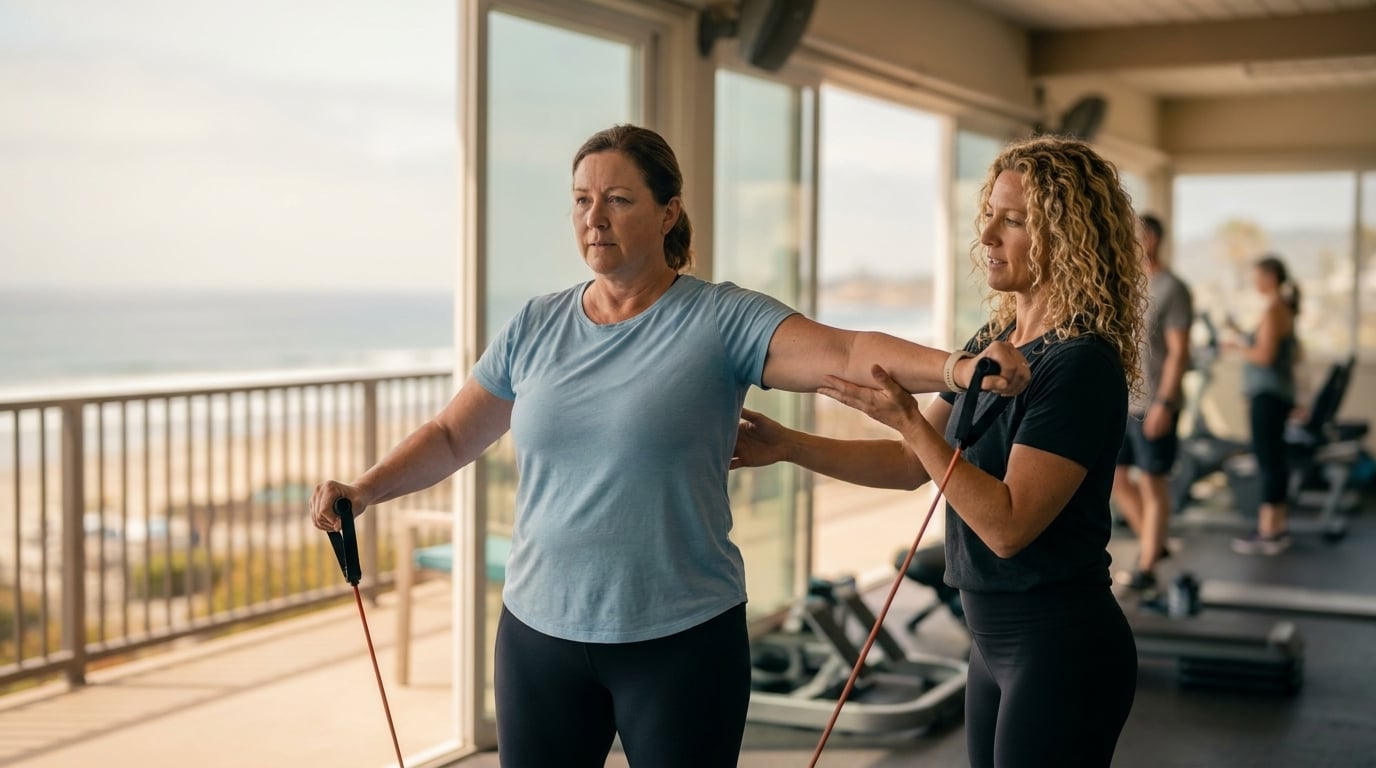
PFC’s program reflects women’s specific needs at every level. The primary persona, called the Reset Seeker, is a 40–60-year-old woman with 40–70 pounds to lose who has tried diets and gyms without lasting success. Program design, coaching style, and community norms all support this client profile.
PFC’s approach for women includes:
Client Paula L. described her experience: “My lack of self confidence, self-doubt and anxiety were at an all time high. I am now off of my anti-depressants and have a whole new outlook on life physically, mentally and spiritually.” Kerri, who lost 31 pounds, noted: “It wasn’t so much about losing weight but what I was gaining. Strength, energy, a sense of fun.”
The Canadian Adult Obesity Clinical Practice Guideline recommends multicomponent psychological interventions combining behavior modification, cognitive therapy, and values-based strategies with longitudinal follow-up. PFC delivers this model through its Think-Eat-Move curriculum.
The average PFC client with 40–70 pounds to lose can expect 3–4 pounds of fat loss per week. This change reflects true fat reduction rather than water loss or muscle breakdown, which aligns with the UCSD case study showing that participants lost almost exclusively fat tissue instead of the typical 60/40 fat-to-muscle ratio seen in standard dieting programs.
Progress is tracked across 17 data points weekly, including:
Many clients see dramatic improvements in blood pressure, cholesterol, glucose, and physical fitness even during weeks when scale movement feels slower than expected. The Canadian Adult Obesity Clinical Practice Guideline states that success in obesity management should be evaluated on improved health, function, and quality of life rather than the amount of weight loss alone. PFC has embedded this philosophy into its weekly report card system since the program’s founding.
Each major program serves a different type of client, and clear matching helps people choose the right fit. The guide below reflects PFC’s five client personas alongside honest assessments of where alternatives may fit better.
PFC’s daily structure maximizes training stimulus, education, recovery, and enjoyment within a luxury resort environment.
Lasting transformation continues after a client checks out of the Omni La Costa Resort. PFC’s post-camp support includes virtual coaching for ongoing accountability, personalized meal plans calibrated to the client’s new metabolic baseline, structured exercise programming for home, and open communication with PFC trainers via email on an ongoing basis.
Research on long-term weight maintenance shows that frequent monthly or twice-monthly contact with an interventionist is the most effective approach for limiting regain. PFC’s virtual coaching program follows this model. The high alumni revenue share reflects how often clients choose to return for tune-ups and community, not because they failed, but because PFC has become a trusted part of their health life.
As Irene Tchaikovsky wrote: “What began as a simple one-week reboot has transformed into a complete lifestyle shift. PFC equips you with the knowledge, tools, and support to make meaningful — and sustainable — changes.”
If you want structured support after your stay, reserve a post-camp planning call with the PFC team or call (888) 488-8936 to speak with an advisor.
Premier Fitness Camp is priced at approximately $6,000 per week, all-inclusive. The rate covers luxury accommodations at the Omni La Costa Resort, all meals prepared on-site by wellness chefs, all fitness and educational programming, three weekly spa treatments, a comprehensive health assessment, weekly 17-point progress tracking, and post-camp virtual coaching. There are no hidden fees.
Financing is available at 0% interest for up to six months with no down payment, and multi-week discounts apply for longer stays. The program may qualify as a tax-deductible medical expense; consult a tax professional. When compared with the cumulative cost of failed diets, unused gym memberships, and long-term medical expenses from obesity-related conditions, PFC’s all-inclusive model represents a focused investment in measurable, lasting health outcomes.
PFC works with clients across the full fitness spectrum, from individuals starting at 400+ pounds who can initially walk only 250 feet to seasoned athletes who train four times a week. Every class is structured so that all fitness levels participate together, and trainers provide modifications, progressions, and low-impact alternatives for every exercise. The 3–4:1 trainer-to-client ratio helps ensure that no participant is overlooked or left behind.
A dedicated low-impact training track supports clients with joint issues, chronic pain, or other health limitations. Every client begins with a comprehensive health assessment so the program can be tailored from day one.
PFC welcomes clients who use GLP-1 medications and designs programming to make these medications work more effectively and sustainably. The primary risk of GLP-1 therapy without structured exercise and nutrition support is lean muscle loss, which can account for 40% or more of total weight lost and harms long-term metabolic rate. PFC’s daily resistance training, protein-forward nutrition designed by registered dietitians, and behavioral health support directly counter these risks.
Clients on GLP-1 medications receive a personalized protocol focused on muscle preservation, sustainable eating habits, and, for those who want it, a structured plan for eventually reducing medication dependence. The culture at PFC remains non-judgmental about medication use.
PFC’s Think-Eat-Move philosophy aims to produce independence rather than dependence. Clients leave with nutritional knowledge, behavioral tools, and exercise habits that support long-term maintenance at home. Post-camp support includes virtual coaching sessions, personalized meal plans calibrated to the client’s new metabolic baseline, structured home exercise programming, and open-ended communication with PFC trainers via email.
The strong alumni return rate reflects both the quality of the experience and the fact that many clients choose to return for annual resets. They come back because PFC has become a valued part of their ongoing health life, not because they regained all their weight.
Stays at Premier Fitness Camp start at one week, and many first-time clients book a single week before extending on-site after experiencing the program firsthand. The average client stay is approximately 11 days. One week delivers a powerful kickstart and measurable changes across multiple health markers. Two weeks build real momentum and begin to establish new behavioral patterns.
Three weeks often marks the point where habit formation becomes durable, as research consistently points to 21 days as a threshold for new habit consolidation. Four weeks produce true lifestyle transformation with significant, measurable fat loss. Extended stays of up to six months are available for clients seeking the deepest possible change. Clients with 40–70 pounds to lose can realistically expect 3–4 pounds of fat loss per week throughout their stay.
For adults aged 40–60 with 40–70 pounds to lose who have tried diets, gyms, and other programs without lasting success, Premier Fitness Camp offers a categorically different approach. The UCSD case study’s findings on fat preservation, 17-point weekly progress tracking, Think-Eat-Move educational curriculum, licensed multidisciplinary team, and resort-level experience at the Omni La Costa Resort combine into a program that competitors in San Diego and nationally do not match across all dimensions at once.
The extensive review base with more than 90% five-star ratings and a strong alumni return rate reflects measurable outcomes and client loyalty. These numbers represent the result of a program that treats clients as whole people, teaches them what they need to know, and builds relationships that support lasting change.
The next step involves a simple conversation about your goals. Schedule a personalized consultation with the Premier Fitness Camp team to discuss your situation, get clear answers, and decide whether PFC is the right fit. Call (888) 488-8936 or visit premierfitnesscamp.com/book-a-consult to arrange your no-pressure consultation today.