 5-star Wellness Resort
 5-star Wellness Resort

Written by: Chris Butt, Certified Personal Trainer & Weight Loss Coach, Premier Fitness Camp | Last updated: October 18, 2026
Talk To A PFC Advisor About Your Goals.
A genuinely holistic weight loss retreat integrates five whole-person domains in a single structured program: nutrition education, behavioral and mental health support, individualized movement, stress management, and sleep. Credentialed professionals deliver the program and track measurable outcomes across all five areas, including scale weight.
That definition matters because the word “holistic” appears on many retreat websites, yet most programs address only one or two of those domains. The CDC identifies healthy eating, physical activity, optimal sleep, and stress reduction as the four pillars of healthy weight management, and makes no mention of juice cleanses, detox protocols, or toxin-removal treatments. The NIDDK recommends that a credible program include a registered dietitian, a mental health counselor or behavioral specialist, and an exercise professional. When evaluating any Florida retreat, hold it to those five domains and ask which credentialed professionals are actually on staff.
Five programs in Florida consistently appear in serious comparisons of adult weight loss retreats. Each profile below follows a consistent fact block. Rates, staffing, and program details change over time. Confirm all specifics directly with each program before booking.
Approach: Physician-led, medically supervised lifestyle medicine. Every guest undergoes medical review before acceptance and meets with on-site physicians multiple times during their stay. The program follows a defined whole-food, high-fiber, low-fat dietary model backed by more than 100 published studies spanning 50-plus years. Registered dietitians, nurses, and emergency-trained staff provide 24/7 medical support.
Typical stay: One to two weeks. The center sits in Doral, about 10 minutes from Miami International Airport. Published rates start at approximately $4,990 per person per week for single occupancy, with couples and longer-stay pricing available. Confirm current rates directly.
Best for: Adults with cardiovascular concerns, metabolic disease, diabetes risk, or complicated medication regimens who need physician oversight woven into every day of the program.
Approach: Plant-based, mindfulness-centered programming combining raw and living foods, yoga, Qigong, and integrative therapies. The program emphasizes a plant-based lifestyle philosophy more than clinical medical management.
Typical stay: A peer-reviewed pilot study of Hippocrates Health Institute attendees in West Palm Beach, Florida, found that guests typically stayed 1–3 weeks. The institute’s current structured residential programs are 21 and 28 days. Confirm current rates and staffing credentials directly with the program.
Best for: Adults seeking a plant-based, spiritually oriented immersion with yoga and mindfulness as central components.
Approach: Shorter-format beach-based stays that combine fitness, nutrition guidance, and wellness programming in a coastal setting. The program serves adults who want a structured reset without a multi-week commitment.
Typical stay: Balance For Life offers 3-Day (2 nights), 5-Day (4 nights), and 7-Day (6 nights) retreats, along with longer options including a 14-Day retreat and 15+ day stays. Confirm current rates and staff credentials directly with the program.
Best for: Adults who want a brief, structured beach-based reset instead of a multi-week immersive program.
Approach: Women-only, small-group residential format combining guided movement, prepared meals, daily structure, recovery time, and coastal activities, with programming now explicitly targeting women rebuilding strength and energy, including post-GLP-1 guests. The setting is non-medical.
Typical stay: One to several weeks. Confirm current rates and staff credentials directly with the program.
Best for: Women who want a structured, non-medical fitness environment in a supportive same-gender community on Florida’s Gulf Coast.
Approach: Premium all-inclusive wellness resort with unlimited dining, daily mind-body activities, spa amenities, and integrative care. Canyon Ranch markets its resorts as all-inclusive wellness destinations with expert-led integrative care, with an orientation that leans toward the retreat experience rather than tightly structured, results-driven weight loss programming.
Typical stay: Flexible. Some stays are listed from approximately $1,500 per guest per night depending on location, package, and dates. Confirm current rates directly.
Best for: Adults who want a premium wellness-resort experience with integrative amenities and flexibility, instead of a focused weight loss program.
The table below summarizes how these five programs compare on location, approach, and typical stay length so you can see the tradeoffs at a glance.
| Program | Location | Approach | Typical Stay |
|---|---|---|---|
| Pritikin Longevity Center | Doral, FL | Physician-led, medically supervised lifestyle medicine | 1–2 weeks |
| Hippocrates Wellness | West Palm Beach, FL | Plant-based, mindfulness and integrative therapies | 1–3 weeks (current programs 21–28 days) |
| Balance For Life | Deerfield Beach, FL | Beach-based fitness and wellness reset | 3, 5, or 7 days; longer options available |
| Weight Crafters | Madeira Beach, FL | Women-only structured fitness, non-medical | 1+ weeks |
| Canyon Ranch | Miami Beach, FL | Premium wellness resort, integrative care | Flexible |
Costs vary significantly by program type. Medically supervised longevity programs represent the high end. Pritikin’s residential program starts at approximately $4,990 per person per week for single occupancy, with cardiovascular imaging, sleep apnea screening, and accommodation upgrades priced separately.
Premium wellness resorts like Canyon Ranch can run approximately $1,500 or more per guest per night depending on package and dates. Shorter beach-based or women-only stays at programs like Balance For Life and Weight Crafters usually fall at the lower end of the residential range, though all-in costs depend on stay length and inclusions.
Residential programs are difficult to compare on price alone because one program’s lower rate may exclude testing, meals, or housing that another includes. Always request an itemized list of what is covered. All rates change, so confirm directly with each program before booking.
Price tells you what a program costs, not whether its methods hold up. Evidence-based guidance from major health authorities converges on five pillars.
The NIDDK recommends a science-backed, reduced-calorie eating plan tailored to a person’s health and preferences, emphasizing vegetables, whole fruits, whole grains, lean proteins, and healthy oils. At least two days per week of muscle-strengthening activity is recommended to preserve lean mass and prevent age-related muscle loss during weight loss.
A 2026 meta-analysis found that adding exercise to a diet program roughly halves the proportion of lean tissue lost, which is critical for adults over 50. Adequate sleep is identified as a contributing factor in weight management, with sleep deprivation linked to increased appetite and hormonal disruption. Stress management and behavioral support complete the evidence base.
Detox and fasting “toxin removal” claims do not appear in federal health guidance. The CDC’s healthy-eating guidance contains no mention of detoxification, cleanses, juice-only regimens, or toxin removal as weight-management mechanisms. The NIDDK’s evidence-based framework consists of sustainable eating, physical activity, behavior change, and ongoing support. Retreats that market detox as a primary weight-loss mechanism make claims that lack an evidence basis in peer-reviewed nutrition science.
Medically supervised, holistic, and fitness camp programs serve different primary goals, and understanding the categories protects your investment. Physician-led programs like Pritikin prioritize clinical risk reduction and metabolic health; holistic retreats prioritize broader well-being combining movement, nutrition, stress, and recovery; fitness camps prioritize structured exercise, conditioning, accountability, and body-composition change.
A program can be both holistic and medically supervised, as Pritikin demonstrates. The categories themselves are not interchangeable. A spa with yoga classes does not function as a medically supervised program, and physician oversight alone does not make a program a fitness camp. Terms like “metabolic,” “clinical,” and “longevity” are common in wellness marketing and do not automatically mean a physician is evaluating a guest or managing their care. Always ask who is on the clinical team and what is included in the package.
Florida retreats work well for specific needs. Pritikin fits adults who require physician oversight and metabolic management. Hippocrates serves those committed to a plant-based mindfulness philosophy. Balance For Life supports a short beach-based reset. Weight Crafters focuses on women who want a structured, non-medical coastal environment. For those needs, Florida delivers.
Measured against the five domains this guide opened with, most Florida programs cover two or three well and leave the rest thin. Florida’s summer humidity also limits outdoor training for months at a time. Pritikin’s pace is deliberately measured and oriented toward an older, medically complex population. Shorter-stay programs rarely produce the behavioral change that research associates with sustained results. A minimum of two to four weeks is commonly recommended to establish meaningful habit change.

Adults who want a genuinely holistic, results-driven, immersive program often find that Premier Fitness Camp (PFC) at the Omni La Costa Resort & Spa in Carlsbad, California, fits those goals more closely than Florida options. PFC’s holistic approach integrates behavioral health, nutrition, and fitness. The staff includes a Chief Wellness Officer (Dr. Lee Rice), a Behavioral Health Director who is a licensed therapist (Page Lauer, MFT, CEDS), a Nutrition Director, a Fitness Director, and a wellness chef (Chef Jason C. Kieffer).

Clients train four to five hours per day Monday through Friday, with a half day Saturday, at a 3–4:1 client-to-trainer ratio. That ratio makes the tracking meaningful. Each week a trainer reviews a personalized report card covering 17 data points, from weight and body fat to blood pressure, metabolic markers, and fitness benchmarks like mile time, plank hold, and push-ups.

A UCSD case study (not a clinical study) using DEXA scans, the gold standard for body composition measurement, found that 94% of client weight loss at PFC was pure fat, compared with the 60/40 fat-to-muscle ratio typical of standard dieting. A 2026 review in Obesity Reviews confirms that exercise specifically preserves or builds lean mass and upregulates basal metabolic rate, which may help avoid the yo-yo effect. PFC’s program is designed around that principle. The camp holds 1,200-plus reviews with a 90%-plus five-star rating, and 50% of annual revenue comes from returning alumni.
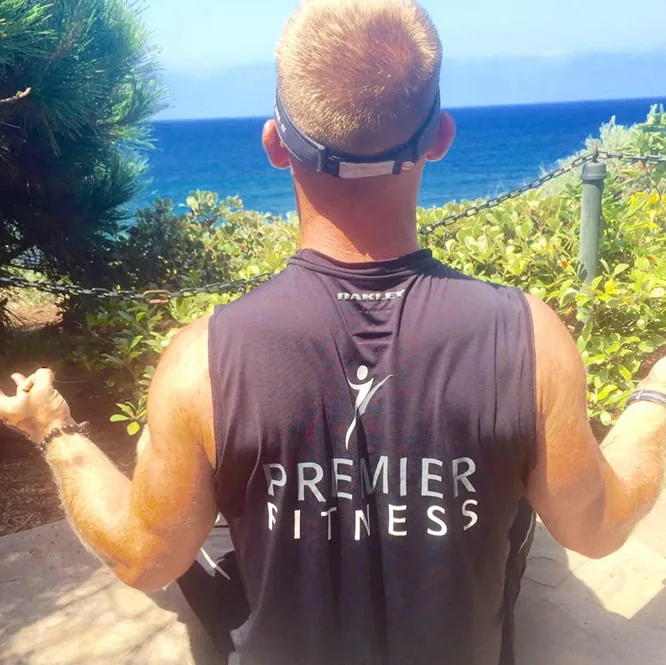
Client stories echo those numbers. As Irene Tchaikovsky wrote: “What began as a simple one-week reboot has transformed into a complete lifestyle shift. PFC equips you with the knowledge, tools, and support to make meaningful and sustainable changes.” Scott, who signed up for two weeks and stayed for eight, put it simply: “PFC is a life-changing experience. The facilities and staff are top notch.”

For more on how PFC compares to wellness resort options broadly, see Best Wellness Resorts For Weight Loss: How PFC Compares. For guidance on choosing any retreat, see How To Choose A Wellness Retreat For Sustainable Weight Loss.
Explore Dates And Availability At PFC.
Before committing to any program in Florida or elsewhere, get clear answers to these questions.
The best holistic weight loss retreat in Florida for adults depends on your goals and health profile. Pritikin is the right choice for medically supervised metabolic management. Hippocrates serves adults committed to a plant-based mindfulness path. Balance For Life fits a short beach-based reset. Weight Crafters serves women seeking a structured, non-medical coastal program. Canyon Ranch delivers a premium wellness-resort experience.
Adults who want a deeply data-driven, whole-person transformation with licensed psychologists, registered dietitians, 17-point weekly tracking, and a UCSD-validated case study behind the results should also consider Premier Fitness Camp in Carlsbad, California. For a broader look at California-based options, see Weight Loss Retreats In California: Cost & Who They’re For.
Schedule A Strategy Call With PFC.
A medically supervised program places a licensed physician at the center of your care. The physician conducts medical evaluations, reviews medications, orders labs, and makes clinical decisions throughout your stay. Pritikin Longevity Center in Florida is the clearest example. Every guest is medically reviewed before acceptance, meets with physicians multiple times during their stay, and has access to 24/7 on-site medical staff.
A holistic retreat addresses multiple dimensions of well-being, including nutrition, movement, behavioral health, stress, and sleep. Physician oversight may or may not be part of that model. A program can be both medically supervised and holistic if it integrates clinical oversight with whole-person programming. When evaluating any program, ask which licensed professionals are on staff, what their role is in your daily program, and what happens if a medical need arises during your stay.
One week provides a meaningful kickstart. You establish new routines, receive a baseline health assessment, and begin building momentum. Two weeks produce measurable physical and behavioral progress. Three weeks align with research on habit formation, which suggests new behaviors begin to consolidate around that point.
Four or more weeks open the door to genuine lifestyle transformation, with significant improvements in body composition, metabolic markers, and the behavioral patterns that determine whether results last. The main challenge with shorter stays involves what happens after the program. Research indicates weight regain typically occurs within 6–12 months after program completion, with many adults regaining weight within about 6 months of initial loss.
Evidence suggests programs with structured aftercare and follow-up support tend to outperform those that end at checkout, although meta-analytic findings on maintenance effects are mixed. When evaluating any retreat, ask what post-program support is included and how it is delivered.
Value depends on what you compare the cost against. A week at a medically supervised program like Pritikin starts at the rate noted above. A premium wellness resort like Canyon Ranch can exceed $1,500 per night. Shorter-format programs at Balance For Life or Weight Crafters usually cost less, although all-in costs depend on stay length and what is included.
The more useful comparison looks at the program versus the cumulative cost of approaches that have not worked. That list often includes years of gym memberships, diet programs, supplements, and the health costs associated with conditions that excess weight worsens. A program that produces lasting behavioral change and measurable metabolic improvement holds far more value than one that produces short-term scale movement followed by regain.
Before booking, ask for an itemized breakdown of what is included in the weekly rate, what costs extra, and what follow-up support is provided after you leave.
Adults on GLP-1 medications like semaglutide or tirzepatide can benefit significantly from an immersive program. GLP-1 medications can produce substantial initial weight loss, but research shows that much of the weight lost includes lean muscle mass. Weight regain is also common when medication is discontinued without a supporting lifestyle foundation.
An immersive program that emphasizes resistance training, protein-focused nutrition, and behavioral education addresses exactly those gaps. At Premier Fitness Camp, clients on GLP-1 medications are welcomed without judgment. The program adjusts to emphasize resistance training and protein intake to protect lean muscle, and builds the sustainable habits that make medication-assisted weight loss more durable over the long term.
If you are considering a Florida program while on GLP-1 medication, confirm that the program has registered dietitians and exercise professionals who are specifically experienced in supporting GLP-1 users. Ask what their protocol is for clients at different stages of medication use.
A genuinely holistic program should have a registered dietitian involved in daily meal design and nutrition education, not only a general nutritionist or wellness coach. Behavioral and mental health support should come from a licensed psychologist or licensed counselor, not solely a life coach. Exercise programming should be led by certified trainers with formal education in exercise science. A bachelor’s degree minimum is a reasonable standard.
If a program claims to be medically supervised, confirm that a licensed physician is actively involved in your care, not simply available by phone or present for an initial intake. Staff-to-client ratios also matter. A 3–4:1 trainer-to-client ratio, as Premier Fitness Camp maintains, allows for genuinely individualized exercise.
High staff turnover can signal instability. Programs where the same professionals have worked for years are more likely to deliver consistent, high-quality care and to refine their approach based on real client outcomes.