 5-star Wellness Resort
 5-star Wellness Resort

Written by: Chris Butt, Certified Personal Trainer & Weight Loss Coach, Premier Fitness Camp | Last updated: July 27, 2026
Realistic success at a fitness camp means you leave with habits you can live with for years, not just a lower number on the scale. Clients build consistent movement, informed nutrition choices, and better self-awareness while preserving lean muscle, protecting metabolic rate, and improving body composition, blood markers, and quality of life over time.
This definition separates programs built around quick scale drops from programs built around durable change. The Global Wellness Institute’s 2026 Wellness Tourism Initiative report shows that today’s wellness travelers want science-backed programs with clinical infrastructure and a clear link to care after they leave, including follow-ups, coaching, and take-home plans. PFC was built around exactly this model.
Timeline depends on starting point, biology, and program design. For a typical client between 40 and 60 years old with 40 to 70 pounds to lose, a realistic fat-loss rate is 3 to 4 pounds per week. That outcome reflects what happens when 4 to 5 hours of daily training, a registered-dietitian-designed nutrition plan, and behavioral health support work together in an immersive setting.

The composition of that weight loss makes this program different from standard dieting. A case study conducted in partnership with the University of California, San Diego (UCSD) evaluated participants who stayed four or more weeks and received DEXA scans, the gold standard for body composition, at the start and end of their stay. The findings are summarized below.
| Metric | UCSD Case Study Result |
|---|---|
| Percentage of weight loss from pure fat | 94% (vs. 60/40 fat-to-muscle ratio typical of standard dieting) |
| Lean muscle mass | Preserved or increased in most long-term clients |
| Bone volume and strength | Maintained, supporting bone health for the 40+ demographic |
| Metabolic capability | Protected or improved due to lean muscle retention |
The fat-versus-muscle distinction matters because muscle drives your resting metabolism. Skeletal muscle burns about 6 calories per pound per day at rest, so losing muscle lowers resting metabolic rate and raises the risk of regain. This program’s 94% fat-loss rate directly addresses the metabolic damage that causes most post-program rebound.
GLP-1 graduates benefit especially from this focus on muscle. Studies on GLP-1 receptor agonists show that fat mass can drop substantially while skeletal muscle often stays relatively stable, yet any muscle loss still matters without resistance training. This program’s blend of progressive resistance work, protein-forward nutrition, and behavioral coaching helps rebuild and protect lean mass whether a client is currently on medication or transitioning off it.
Progress is tracked weekly across 17 data points on a personalized Report Card, including weight, body fat percentage, key circumference measurements, blood pressure, fitness performance, and core blood lipids and glucose. NASM’s habit-formation guidance highlights visual progress tools as a key driver of adherence. Seeing improvement across many dimensions each week builds the emotional buy-in that keeps clients engaged long after they leave.
Book a free consultation to see how this tracking system can support your specific health goals.
Residential fitness programs still deliver strong value in 2026 when they focus on education, muscle preservation, and post-camp support instead of calorie restriction alone. NASM’s 2026 industry survey of 625 fitness professionals reports clients shifting from physique-only goals toward longevity, healthy aging, and sustainable habits, with behavior change and wellness coaching now seen as essential skills. The 2026 ACSM Worldwide Fitness Trends report ranks exercise for weight management at its highest historical position, driven partly by the need for structured exercise alongside GLP-1 medications to protect lean mass and metabolic health.
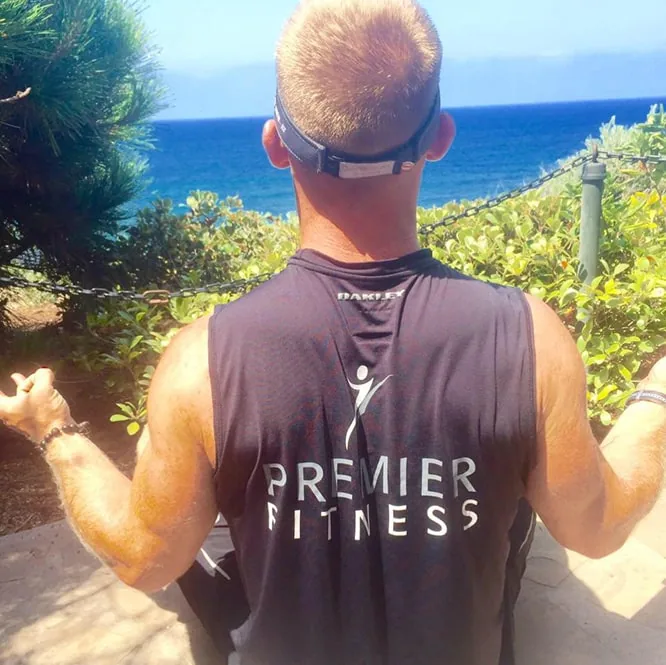
Not all residential programs meet this standard. The table below demonstrates how Premier Fitness Camp’s infrastructure, from climate and staff credentials to culinary education and behavioral support, creates conditions for sustained results that competitors do not match.

| Dimension | This Program | Competitors |
|---|---|---|
| Location and climate | Omni La Costa Resort, Carlsbad, CA, 450 acres, year-round moderate temperatures, Pacific coast outdoor training daily | Live In Fitness: Arizona desert heat half the year. Unite Fitness Retreat: downtown Salt Lake City hotel, cold winters, concrete surroundings. Pritikin and Hilton Head Health: Florida humidity. Canyon Ranch and Civana: retreat-focused, not results-driven. |
| Staff credentials and retention | All trainers hold at least bachelor’s degrees, many hold master’s degrees. Turnover is extremely low, and many staff have been with the program since its founding, so clients build long-term relationships. | Live In Fitness reports frequent trainer changes. Competitors generally do not publish staff education requirements or retention data. |
| On-site culinary education | Registered dietitians and wellness chefs prepare all meals on-site with fresh, farm-to-fork ingredients. Cooking demonstrations teach clients how to recreate healthy meals at home. | Live In Fitness delivers food from off-site. Unite Fitness Retreat operates from a hotel without dedicated culinary infrastructure. Most competitors lack on-site culinary education. |
| Behavioral health support | Licensed psychologists and behavioral health coaches are on staff. Group workshops address emotional eating, triggers, and limiting beliefs, and one-on-one counseling is available. | Canyon Ranch and Civana offer some wellness programming but focus on retreat experiences rather than results. Pritikin and Hilton Head Health target an older demographic with a slower pace and less behavioral depth. Live In Fitness and Unite do not publish equivalent behavioral offerings. |
| Client-to-trainer ratio | Client-to-trainer ratio stays at 3–4:1 in all fitness sessions. | Competitors do not publish equivalent ratios. Live In Fitness and Unite operate in shared gym environments without dedicated on-site facilities. |
| Alumni repeat rate | Half of annual revenue comes from returning alumni, which signals strong satisfaction and sustained results. | No competitor publishes a comparable alumni return metric. |
These structural differences affect long-term outcomes. Industry reporting from 2026 shows that the real return on a structured retreat comes from habits that continue long after the group leaves. That outcome requires on-site education, behavioral support, and post-program continuity, not just a pleasant setting.
The following stories highlight clients with different starting points, health histories, and timelines. Each one shows how the UCSD case study data plays out in daily life.
Lauren M. — Lost 140 lbs (320 lbs to 180 lbs)
Lauren’s story appeared on The Today Show and unfolded over time, not overnight. She learned how her specific body responds to food and movement and rebuilt her confidence. “I found myself again; got my confidence back; learned how, for my body type, I needed to eat and exercise; and most importantly, I learned how to adopt a healthy, sustainable lifestyle, instead of trying to change myself for it.” After camp, Lauren maintained her results with virtual coaching, personalized meal plans, and ongoing email access to trainers.
Crissy — Lost 109 lbs (512 lbs to 403 lbs)
Crissy’s story was featured on The Doctors. “This program has changed my life. I lost over 110 pounds, but more than that I have gained so much knowledge and strength, both physically and mentally. I met some of my best friends here.” The community aspect of her stay, including relationships with staff and fellow clients, created social accountability that long-term maintenance research consistently links to sustained results.
Alex — Lost 97 lbs (352 lbs to 255 lbs)
Alex addressed the behavioral roots of his weight, including binge eating disorder, through the “Think, Eat, Move” curriculum. “I’ve been able to find the root of my binge eating disorder and progress towards recovery through healthy cooking. This program has given me the tools I’ve needed to lose over 100 pounds and cope with emotions in a healthy way rather than binge eating. I keep coming back.” His continued return visits reflect the alumni repeat rate mentioned earlier, which sets this program apart from models built on one-time stays.
Kerri — Lost 31 lbs (246 lbs to 215 lbs)
Kerri arrived managing Type 1 Diabetes and depression. Her progress centered less on the scale and more on the comprehensive Report Card described earlier, including tying shoes more easily, better posture, easier breathing, and lower blood pressure. “It wasn’t so much about losing weight but what I was gaining. Strength, energy, a sense of fun.” For 2025–2026 GLP-1 graduates with similar metabolic complexity, this multi-marker tracking offers a detailed picture of progress that scale weight alone cannot show.
Paula L. — Lost 30 lbs (187 lbs to 157 lbs)
Paula arrived with high anxiety and low self-confidence and left with “a whole new outlook on life physically, mentally and spiritually” after discontinuing her antidepressants. Her post-camp plan included personalized meal guidance, tailored fitness programming, and direct email access to trainers. This continuity structure aligns with behavior change research that identifies ongoing support as essential for preventing the 40–60% post-program relapse rate seen in many residential settings.
Book a free consultation to explore how this approach can match your history and goals.
The transition from a structured residential program back to daily life creates the highest risk for regression. The first 90 days after leaving a residential program carry the greatest relapse risk because new habits are not yet automatic while old environmental cues remain strong. Research from Lally and colleagues at University College London found that the average time to reach habit automaticity was 66 days, with a range of 18 to 254 days, so most clients leave camp before their habits fully consolidate.

This program addresses that gap through a coordinated post-camp support system that keeps clients connected and accountable. Virtual coaching provides ongoing check-ins and guidance during the early months at home. Personalized meal plans translate on-site nutrition lessons into realistic daily choices in each client’s own kitchen. Individualized fitness programming keeps workouts progressive and safe as strength and stamina improve. Direct email access to the same trainers clients worked with on-site preserves trusted relationships that support honest communication. Multi-visit tracking then captures long-term health trends across years, giving returning alumni a clear view of cumulative progress.
Holiday seasons and high-stress periods often trigger setbacks, yet they do not need to erase progress. Behavior change research recommends explicit restart plans so that one missed week does not turn into full abandonment. Behavioral health coaches help clients design these contingency plans before they leave.
A 2026 analysis of the FIT project found that individuals who joined a second structured lifestyle intervention experienced less weight regain and better metabolic profiles at five-year follow-up than those who completed only one program. This finding supports the value of the high alumni return rate as both a satisfaction signal and a clinical strategy. Returning alumni start later stays with stronger baselines and gain compounding benefits that single-visit participants rarely match.
Analyses of weight-loss support programs also show that participants who achieve significant loss in the first year and continue into a second year are more likely to maintain their results. Continued structured engagement, rather than willpower alone, drives that success.
For a typical client with 40 to 70 pounds to lose, this program usually delivers 3 to 4 pounds of fat loss per week. A one-week stay creates a strong metabolic and behavioral reset. Two weeks builds momentum. Three weeks marks the point where new habits begin to feel more natural, covering about one-third of the average 66-day automaticity window. Four weeks produces visible body composition change with significant improvements across all tracked health markers. Many clients arrive for one week and extend after experiencing the structure firsthand.
Most aggressive weight-loss programs create a 50/50 or 60/40 split between fat and muscle loss, which harms resting metabolic rate and increases the odds of regain. The UCSD case study at this program found that 94% of client weight loss came from fat, with lean muscle preserved or increased in most long-term participants. This result comes from 4 to 5 hours of daily training, including progressive resistance work, paired with a protein-forward, dietitian-designed nutrition plan. GLP-1 graduates concerned about muscle loss from medication receive targeted support through resistance training and macro-specific nutrition.
Post-camp support includes virtual coaching, personalized meal plans, individualized fitness programming, and direct email access to the same trainers clients worked with on-site. Behavioral health coaches help clients build clear contingency plans for high-risk periods such as travel, holidays, and major stress before departure. Multi-visit tracking then shows long-term health trends across years. The high alumni return rate reflects both the quality of the experience and the clinical value of continued structured engagement for maintenance.
This program works well alongside GLP-1 medication and helps clients prepare for a sustainable transition off it when appropriate. The training focus shifts toward resistance work to preserve and rebuild lean muscle. Nutrition centers on adequate protein to support muscle protein synthesis. Behavioral coaching helps clients build habits that keep results stable without relying solely on medication. Registered dietitians and behavioral health coaches tailor plans to each client’s medication protocol and health history.
Several structural features distinguish this program from other residential options. It operates exclusively at the Omni La Costa Resort in Carlsbad, California, a 450-acre property with year-round moderate temperatures and Pacific coast outdoor training. All trainers hold at least bachelor’s degrees, many hold master’s degrees, and staff turnover is extremely low. Wellness chefs and registered dietitians prepare all meals on-site. Licensed psychologists provide behavioral health support. A 3 to 4:1 trainer ratio ensures individualized attention at every fitness level. No competitor publishes a comparable alumni return rate.
Lasting body transformation depends on muscle preservation, metabolic protection, behavioral education, and structured post-program support. PFC’s UCSD-validated body composition results, detailed earlier, its weekly tracking system, “Think, Eat, Move” curriculum, and strong alumni return rate together create one of the most comprehensive residential fitness offerings available.
More than 1,200 reviews with a 90%+ five-star rating show what happens when training, nutrition, behavioral health, a luxury setting, and lifelong support all align around one goal: change that lasts.
Ready to begin your own long-term lifestyle change? Book a free consultation with the PFC team to discuss your goals, your history, and how the program can be tailored to you. Call (888) 488-8936 or schedule your personalized consultation online today.