 5-star Wellness Resort
 5-star Wellness Resort
Written by: Chris Butt, Certified Personal Trainer & Weight Loss Coach, Premier Fitness Camp | Last updated: September 1, 2026
After age 40, women lose an average of 0.5–1% of muscle mass per year, a process called sarcopenia, which steadily slows resting metabolic rate. At the same time, falling estrogen levels during perimenopause shift fat from the hips and thighs toward the abdomen, increase insulin resistance, and reduce energy expenditure. Standard calorie-restriction diets that create a 60/40 fat-to-muscle loss ratio drain the very lean tissue that keeps metabolism higher.
Research published in the American Journal of Clinical Nutrition found that increasing daily protein intake to 1.2–1.6 g/kg/day in postmenopausal women significantly reduced muscle loss and improved body composition, with effects amplified when combined with resistance training two to three times per week. PFC’s UCSD case study put this exact approach to the test in a real-world residential setting. In that analysis, 94% of total client weight loss was purely fat, and most long-term clients preserved or increased lean muscle mass, which is far better than outcomes from typical dieting programs.
The fastest sustainable approach combines resistance training to preserve muscle, a high-protein diet of 1.2–1.6 g/kg per day, and a moderate calorie deficit. Crash dieting strips muscle and slows metabolism. Immersive programs like PFC typically deliver 3–4 pounds per week of pure fat loss while protecting resting metabolic rate.
These eight programs stand out for how well they address the metabolic and hormonal realities of midlife. As you scan the list, pay attention to how each resort handles strength training, protein intake, medical oversight, and post-program support, since those factors drive long-term results.
Price: ~$6,000/week, all-inclusive | Location: Omni La Costa Resort & Spa, Carlsbad, California

Premier Fitness Camp features a UCSD-validated case study showing that 94% of client weight loss is pure fat, compared to the 60/40 fat-to-muscle ratio typical of standard dieting. Clients train 4–5 hours per day with credentialed trainers who hold bachelor’s and master’s degrees, at a 3–4:1 trainer-to-client ratio, on the 450-acre Omni La Costa Resort campus in Southern California’s mild climate. On-site wellness chefs and registered dietitians prepare every meal. Progress is tracked across 17 data points weekly, including weight, body fat, seven body measurements, blood pressure, blood lipids, glucose, mile time, plank hold, and push-ups, so clients see changes far beyond the scale.
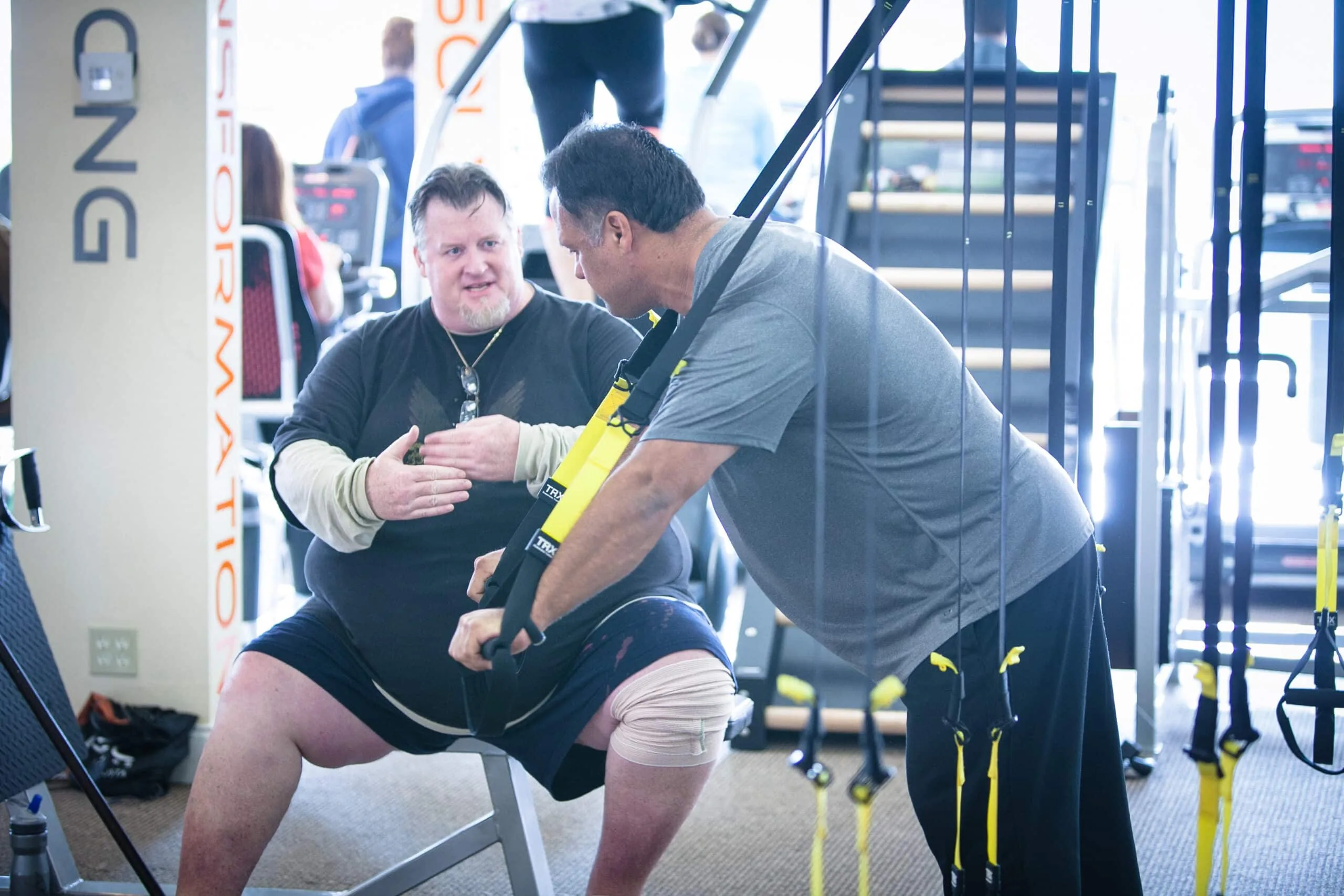
The “Think, Eat, Move” philosophy brings together licensed psychologists, behavioral health coaching, nutrition education, cooking demonstrations, and three included spa treatments per week in one immersive experience. This integrated model has produced 1,200+ reviews with a 90%+ five-star rating and an alumni base that drives about half of annual revenue.

Cons: Premium price point; requires travel to Carlsbad, CA.
Best for: Women over 40 seeking science-backed, medically informed, luxury-immersive fat loss with lasting behavioral change.
Price: Summer rates starting at $5,900 per week for stays of two weeks or more, with shorter stays available at a premium | Location: Miami, Florida
Cons: Slower pace than Premier Fitness Camp; Miami’s high humidity can be uncomfortable; skews toward an older demographic with fewer active programming options.
Best for: Women prioritizing medical oversight and heart-health management alongside weight loss.
Comparing Pritikin with PFC? Talk with a PFC program advisor about which setting better fits your health history and goals. Call (888) 488-8936 or book your free consultation online.
Price: Typically $3,000 or more per week, with nightly rates starting around $1,100–$1,250 depending on package and dates, and room rates ranging from about $1,931 to $4,070 per night | Location: Lenox, Massachusetts
Cons: More retreat-focused than results-driven; less structured fitness programming; no validated body-composition outcome data comparable to PFC’s UCSD case study.
Best for: Women seeking a wellness retreat with some fitness components rather than a structured fat-loss program.
Price: Weekly rates starting at approximately $3,900 for a seven-night stay, with prices varying by program, room type, and season, and many programs costing $4,000 or more per week | Location: Hilton Head Island, South Carolina
Cons: Accommodations are off-site, so guests ride a van to facilities each day; high humidity; skews toward an older demographic with fewer activity options than PFC.
Best for: Women comfortable with a structured but lower-intensity program in a group setting.
Price: $4,650/week | Location: Salt Lake City, Utah
Cons: Downtown urban location surrounded by concrete; cold climate for half the year; fewer outdoor options than PFC’s Pacific coast setting; all facilities are not under one roof.
Best for: Women seeking a boutique, small-group program with a menopause-specific upgrade option.
Price: $5,000+/week | Location: Malibu, California
Cons: Very high intensity that does not suit all fitness levels; limited medical supervision; plant-based diet may fall short of the 1.2–1.6 g/kg protein targets recommended for muscle preservation in women over 40 without careful planning.
Best for: Already-active women drawn to a 6–8 night structured program with up to 6 hours of daily exercise, including 2–4 hour hikes, that can be tailored to individual needs.
Unsure which intensity level fits you? Connect with a PFC coach to talk through your current fitness, injuries, and goals. Call (888) 488-8936 or book your free consultation online.
Price: Can cost $2,000 or more per week, mainly during peak season (January–April) or with the inclusive Summer Reset package; off-season standard room rates are significantly lower, starting around $260–$296 per night | Location: Carefree, Arizona
Cons: Functions more as a retreat than a weight-loss program; less structured fitness; not results-driven; no validated body-composition outcome data.
Best for: Women prioritizing relaxation and mindfulness over structured fat loss.
Price: Weekly pricing starting at $2,190 for shared room accommodations, with other packages up to $5,490+ per week | Location: Scottsdale, Arizona
Cons: Residential home setting with off-site gym access; food is delivered rather than prepared on-site by dedicated wellness chefs; high trainer turnover; extreme Arizona heat for much of the year; minimal education component.
Best for: Budget-conscious women who want a basic residential fitness structure.
The comparison table below summarizes how these eight resorts stack up on price, location, and midlife-specific features so you can quickly narrow your shortlist.
| Resort | Location & Price/Week | Key Midlife Features | Best For |
|---|---|---|---|
| Premier Fitness Camp | Carlsbad, CA — ~$6,000 | UCSD-validated 94% fat loss; 17-point tracking; DEXA scans; menopause programming; GLP-1 support; 3–4:1 trainer ratio | Science-backed luxury transformation |
| Pritikin Longevity Center | Miami, FL — $5,900+ (2+ weeks) | Physician-led; blood work; cardiovascular focus | Medical oversight & heart health |
| Canyon Ranch | Lenox, MA — $3,000+ | Spa; some medical services; wellness classes | Wellness retreat experience |
| Hilton Head Health | Hilton Head, SC — $3,900+ | Nutrition counseling; behavioral support; fitness classes | Structured group weight-loss program |
| Unite Fitness Retreat | Salt Lake City, UT — $4,650 | 21-point assessment; optional Menopause Program; lifetime app | Boutique small-group program |
| The Ranch Malibu | Malibu, CA — $5,000+ | Daily hikes; plant-based meals; fitness focus | Already-active women seeking intensity |
| Civana Wellness Resort | Carefree, AZ — $2,000+ (peak) | Spa; mindfulness; wellness classes | Relaxation and mindfulness |
| Live In Fitness | Scottsdale, AZ — $2,190–$5,490+ | Basic fitness programming | Budget-conscious residential structure |
The 3-3-3 rule for weight loss usually means eating three balanced meals per day, drinking three liters (or three bottles) of water by mid-afternoon, and completing three hours of movement per week. The idea is that consistent meal timing helps regulate blood sugar, reduce late-night caloric intake, and support circadian rhythm alignment, which can improve appetite control.
For women over 40, meal timing is a useful tool but an incomplete strategy. Declining estrogen during perimenopause affects appetite regulation, fat distribution, and insulin sensitivity in ways that timing alone cannot fix. That is why sustainable fat loss at this life stage requires more than a schedule: adequate protein at every meal protects muscle, resistance training preserves resting metabolic rate, and behavioral support addresses the emotional and habitual sides of eating. PFC’s registered dietitians design structured meal plans that blend evidence-based timing principles with high-protein, farm-to-fork ingredients, while avoiding restrictive dieting that triggers muscle loss.

A study published in JAMA Network Open, led by researchers at the Harvard T.H. Chan School of Public Health, examined 38,283 women from the Nurses’ Health Study II and found that the Planetary Health Diet and a low-insulinemic diet were associated with the lowest weight gain and lowest risk of obesity during menopause, outperforming nine other dietary patterns including the Mediterranean and DASH diets. Both winning patterns share key traits: they are low in red and processed meats, potatoes, and sodium, and high in nuts, fruits, vegetables, and whole grains.
Across dietary approaches, the consistent evidence-based priority for women over 40 is adequate protein. Lead researcher Tong Xia noted that women already lose more muscle during menopause, and low protein intake accelerates this process. A high-protein, moderate-carbohydrate diet with healthy fats that delivers 1.2–1.6 g of protein per kg of body weight daily supports muscle preservation, satiety, and hormonal balance at the same time.
PFC’s nutrition philosophy turns this evidence into daily practice. Registered dietitians design every meal, wellness chefs prepare fresh farm-to-fork ingredients on-site, and cooking demonstrations show clients how to recreate these meals at home. For women using GLP-1 medications, PFC pairs protein prioritization with resistance training to offset the lean mass loss that analysis of existing trials shows accounts for 24–30% of weight lost on incretin-based therapies.
The table below breaks down what each resort’s weekly price typically includes so you can see where your money goes and where certain programs leave gaps.
| Resort | Price/Week | What’s Included | Notable Gaps |
|---|---|---|---|
| Premier Fitness Camp | ~$6,000 | Luxury resort accommodations; all meals by on-site wellness chefs; 4–5 hrs/day training; education workshops; 3 spa treatments/week; 17-point tracking; health assessment; post-camp support | Premium price point |
| Pritikin Longevity Center | $5,000+ | Medical supervision; nutrition education; fitness classes; blood work | Slower pace; fewer activity options |
| Canyon Ranch | $3,000+ | Spa; wellness classes; some medical services | Less structured fitness; no validated outcome data |
| Hilton Head Health | $4,000+ | Fitness classes; nutrition counseling; behavioral support | Off-site accommodations; daily van transport required |
| Unite Fitness Retreat | $4,650 | Lodging; chef-prepared meals; hikes; fitness training; 21-point assessment; lifetime app | Urban downtown location; cold climate half the year |
| The Ranch Malibu | $5,000+ | Accommodations; plant-based meals; daily hikes; fitness | Very high intensity; limited medical supervision |
| Civana Wellness Resort | $2,000+ | Spa; mindfulness; some fitness classes | Not results-driven; minimal structure |
| Live In Fitness | $2,190–$5,490+ | Basic fitness programming; delivered meals | Off-site gym; high trainer turnover; extreme heat |
PFC’s $6,000/week price reflects a genuinely all-inclusive program. It includes luxury accommodations at the Omni La Costa Resort, all meals prepared by on-site wellness chefs, 4–5 hours of daily training, behavioral health workshops, nutrition education and cooking demonstrations, three spa treatments per week, a comprehensive day-one health assessment, 17-point weekly tracking, and post-camp virtual coaching. Zero-percent financing for up to six months with no down payment is available, and multi-week discounts apply for extended stays.
Women over 40 benefit most from resorts that treat weight loss as a medical and hormonal project, not just a fitness vacation. Use this checklist to evaluate any program you are considering:
PFC’s UCSD case study found that clients preserved lean muscle mass and maintained bone volume and strength, which matters greatly for women over 40 at higher risk of osteoporosis. The 17-point weekly report card, optional DEXA scans, and comprehensive day-one health assessment give PFC clients a detailed picture of their transformation that goes far beyond what any scale can show.

The American College of Physicians’ 2026 living clinical guideline explicitly recommends that GLP-1 medications such as semaglutide and tirzepatide be used in combination with lifestyle modifications, including improved nutrition and physical activity, rather than as standalone treatments. For women who have lost weight on GLP-1 medications but worry about muscle loss, a residential program that prioritizes resistance training and protein intake is the logical next step.
The 2026 EASO/EFAD/ECPO consensus statement recommends a pragmatic target of approximately a 3:1 ratio of fat loss to lean-mass loss during obesity treatment and emphasizes that muscle-strengthening resistance training alongside aerobic exercise is essential to reduce lean body mass loss during GLP-1 therapy. PFC’s program aligns with this guidance through 4–5 hours of daily training with a strong resistance component, protein-forward meals designed by registered dietitians, and an “exit ramp” plan for clients who want to reduce or discontinue medication with sustainable habits already in place.
PFC welcomes clients who use medication and focuses on making GLP-1 therapy more effective. The goal is lasting results that continue even after medication is no longer part of the plan.
A key failure point of residential weight loss programs is the transition from the intensive phase to the follow-up phase, where without ongoing support, education, and accountability, weight regain is common. PFC addresses this directly with post-camp virtual coaching, personalized meal plans, fitness guidance, and open communication with trainers, since clients can email their coaches anytime. PFC’s alumni return rate, with about 50% of annual revenue from returning clients, reflects how well this maintenance bridge works.
The foundation of long-term success at PFC is education. Clients leave lighter and equipped with the nutritional knowledge, behavioral tools, and exercise habits to sustain their transformation independently. As client Irene Tchaikovsky wrote: “What began as a simple one-week reboot has transformed into a complete lifestyle shift. PFC equips you with the knowledge, tools, and support to make meaningful — and sustainable — changes.”
How much weight can I realistically lose at a weight loss resort?
At Premier Fitness Camp, the average client with 40–70 pounds to lose can expect 3–4 pounds per week of real fat loss, rather than water weight or muscle. The UCSD case study found that 94% of total client weight loss was purely fat, while most long-term clients preserved or increased lean muscle mass. Individual results vary based on starting weight, hormones, and medications, and weight is only one of 17 data points tracked weekly. Many clients see meaningful improvements in blood pressure, cholesterol, glucose, body measurements, and fitness markers even in weeks when the scale moves more slowly.
Am I too out of shape to attend a program like this?
Premier Fitness Camp works with clients ranging from those who can only walk 250 feet to seasoned athletes who train four times a week. Every class is structured so that each participant, regardless of fitness level, gets exactly what they need. The 3–4:1 trainer-to-client ratio keeps everyone supported, and low-impact modifications are available for every exercise for those with physical limitations.
Can I attend if I’m currently on GLP-1 medication?
Yes. Premier Fitness Camp supports clients on GLP-1 medications without judgment. The program emphasizes resistance training, adequate protein intake, and sustainable lifestyle habits that make medication more effective long-term and protect muscle and metabolism if and when clients choose to reduce or stop the medication. Think of PFC as the education and lifestyle foundation that GLP-1 therapy needs to produce durable results.
How long should I stay?
Stays start at one week, and the average stay is 11 days. One week delivers a powerful metabolic and behavioral kickstart. Two weeks build real momentum. Three weeks is where habit change starts to solidify, and four weeks produce significant, measurable transformation. Many clients book one week and extend on-site after experiencing the program firsthand. Extended stays of up to several months are available.
What is included in the price at a weight loss resort?
At Premier Fitness Camp, the all-inclusive rate covers luxury accommodations at the Omni La Costa Resort, all meals and snacks prepared by on-site wellness chefs, all fitness classes and training sessions, educational workshops covering nutrition, behavioral health, and cooking, a comprehensive day-one health assessment, 17-point weekly tracking, three spa treatments per week, access to all resort amenities, and post-camp virtual coaching and support. There are no hidden fees or required add-ons.
Ready to take the first step? Arrange a free consultation with the PFC team for a personalized conversation about your goals. Call (888) 488-8936 or book your session online.
The eight resorts reviewed here cover a wide spectrum of approaches, price points, and philosophies. Canyon Ranch and Civana focus on wellness retreats. Pritikin and Hilton Head Health offer medically oriented programs with a weight-loss emphasis. Unite Fitness Retreat provides a boutique small-group experience with a menopause upgrade option. The Ranch Malibu suits already-active women seeking intensity. Live In Fitness offers a lower-cost residential structure.
Premier Fitness Camp stands apart on the factors that matter most for women over 40, including UCSD-validated outcomes, detailed tracking, a close trainer ratio, menopause-informed programming, GLP-1 integration support, luxury accommodations at the Omni La Costa Resort, and a post-camp support system that drives a strong alumni return rate. The “Think, Eat, Move” philosophy addresses the whole person, and the Southern California climate enables year-round outdoor training that many competitors cannot match.
With 47% of women aged 40–59 living with obesity (and 46.4% of all adults aged 40–59), demand for programs that reflect midlife metabolic and hormonal realities continues to grow. The right program helps you lose weight and teaches you how to keep it off.
Start your midlife metabolic reset today. Plan your free consultation with Premier Fitness Camp and speak with a team that has helped over 3,000 clients transform their health. Call (888) 488-8936 or book online.