 5-star Wellness Resort
 5-star Wellness Resort
Written by: Chris Butt, Certified Personal Trainer & Weight Loss Coach, Premier Fitness Camp
Sustainable weight loss in a residential setting requires more than intense workouts and strict calorie limits. Effective programs address the full picture with nutrition education that teaches you how to eat for life, behavioral coaching that tackles emotional triggers, resistance training that preserves muscle mass, and ongoing support that reduces regain after you return home.
Research shows that habit formation is more effective when using routine-based cue planning compared to time-based cues, so structured daily programming becomes essential. The strongest residential camps create a daily rhythm where healthy behaviors feel automatic through repetition, coaching, and clear routines.
True sustainability also depends on addressing the psychological side of weight management. Mindfulness-based programs improve mental health outcomes in nonclinical adult populations, which is why leading camps include licensed behavioral health professionals as part of the core team.
Staff expertise and attention levels form the base of any effective residential program. Choose camps where trainers hold at least bachelor's degrees in exercise science, kinesiology, or related fields, and where many also hold master's degrees. NASM's 2026 industry survey identifies behavior change and wellness coaching as essential skills for personal trainers, because these skills help clients build habits that fit real-life stress, schedules, and motivation.
Trainer-to-client ratios should stay at 3–4:1 or lower so coaches can monitor form and tailor each session. High staff turnover signals potential problems, while strong programs keep experienced trainers who know returning clients and understand their history across multiple visits.
Sustainable weight loss grows from education, not just prepped meals. Effective programs employ registered dietitians who design menus and lead group or one-on-one sessions, along with licensed psychologists or behavioral health coaches who address emotional eating patterns and stress management.
Look for camps that offer cooking demonstrations, nutrition workshops on macronutrients and portion control, and behavioral sessions focused on triggers and habit formation. Evidence-based reframing of negative self-talk, rather than forced positive thinking, improves adherence by replacing recurring negative statements with accurate, evidence-supported alternatives.
Scale weight shows only one part of your transformation. Leading programs track multiple weekly data points, including body composition, measurements, cardiovascular fitness, strength gains, and key blood markers. NASM recommends that personal trainers develop data literacy to interpret wearables data such as HRV, sleep scores, and recovery ratings, then adjust sessions based on those metrics.
Seek programs that provide DEXA scans for body composition and comprehensive health assessments that include blood work. Benchmark workouts performed monthly or quarterly, combined with ongoing performance logs comparing results to baseline, provide objective metrics for tracking progress that go far beyond traditional weight measurements.
Long-term success depends heavily on what happens after you leave the program. Effective camps provide virtual coaching, personalized meal plans, ongoing trainer access, and structured check-ins that keep you accountable and engaged.
Structured planning that includes if-then responses to anticipated obstacles plus weekly outcome reviews helps maintain new behaviors and overcome barriers. The strongest camps focus on lifelong relationships rather than short-term transformations.
Your surroundings influence how well you can focus on change. Resort-style settings with spa access, beautiful grounds, and year-round moderate climates help lower cortisol, improve sleep, and support better recovery and adherence.
Luxury accommodations, on-site wellness chefs, and full-service amenities reduce decision fatigue and outside stress, so you can direct your energy toward new habits. Physical activity is more likely to become habitual when it is enjoyable, includes a social component, and is framed as a means to achieve meaningful personal goals.
The five criteria above show what matters most for long-term results. The comparison below highlights how four leading residential programs stack up on location quality, food and education, and outcome tracking, so you can see these principles in real-world offerings.
| Program | Location & Setting | Food & Education | Data Tracking & Outcomes |
|---|---|---|---|
| Premier Fitness Camp | Omni La Costa Resort, Carlsbad CA – 450-acre luxury resort | On-site wellness chefs, registered dietitians, cooking demos | 17 weekly data points, UCSD case study: 94% fat loss |
| Canyon Ranch | Tucson AZ & Lenox MA – Resort settings | Spa cuisine, nutrition consultations | Basic health assessments |
| Unite Fitness Retreat | Salt Lake City UT – Downtown hotel | Registered dietitians, cooking classes | Proprietary app for tracking |
| Hilton Head Health | Hilton Head SC – Separate accommodations | Nutrition education, meal planning | Standard health metrics |
The detailed experience at Premier Fitness Camp shows how these criteria work together in daily life. Premier Fitness Camp (PFC) operates exclusively at the Omni La Costa Resort & Spa in Carlsbad, California, a 450-acre luxury property with year-round moderate temperatures and Pacific coast access. All trainers at PFC hold at least bachelor’s degrees, many hold master’s degrees, and a large portion have remained since the program’s early years, which keeps staff turnover among the lowest in the industry.
The program's "Think, Eat, Move" philosophy brings three specialist roles into one coordinated system that supports sustainable weight loss. Licensed psychologists guide the behavioral health component and help clients understand why they eat. Registered dietitians turn those insights into practical nutrition education, teaching what and how much to eat. Wellness chefs then prepare meals on-site with farm-to-fork ingredients and demonstrate how to recreate them at home through daily cooking demos and workshops.
PFC tracks 17 data points weekly through personalized report cards, including weight, body fat percentage, multiple body measurements, blood pressure, cholesterol markers, glucose levels, cardiovascular fitness, and strength metrics. A University of California San Diego case study validated that 94% of client weight loss at PFC is purely fat, compared to the 60/40 fat-to-muscle ratio typical of standard dieting programs.
Post-camp support includes virtual coaching, personalized meal plans, ongoing trainer access, and open communication with staff long after departure. With 50% of annual revenue coming from returning alumni, PFC demonstrates strong client satisfaction and long-term relationship building.
GLP-1 medications like Ozempic and Wegovy have reshaped the weight loss landscape, yet medication alone rarely delivers lasting results. CVS Health's Weight Management program pairs GLP-1 medications with structured nutrition, behavioral coaching, and lifestyle support because medication alone is rarely enough for significant, sustained weight loss.
Leading residential programs now emphasize resistance training and protein-focused nutrition to reduce the muscle loss often seen with rapid weight loss on GLP-1s. Since these medications work best when combined with structured diet and exercise, as their FDA approval requires, residential programs create an ideal setting to maximize medication effectiveness while building sustainable habits.
The strongest programs support clients who are on, transitioning off, or considering GLP-1 medications by focusing on muscle preservation, metabolic health, and the education needed for long-term success. Schedule a consultation to discuss how Premier Fitness Camp's resistance training and nutrition protocols can complement your GLP-1 medication plan.
Many prospective clients worry about whether they are fit enough to participate, yet top residential programs welcome all ability levels. Specializations in Senior Fitness, Women's Fitness, Behavior Change, and Corrective Exercise are highlighted by NASM as high-value qualifications for serving adults aged 40–60.
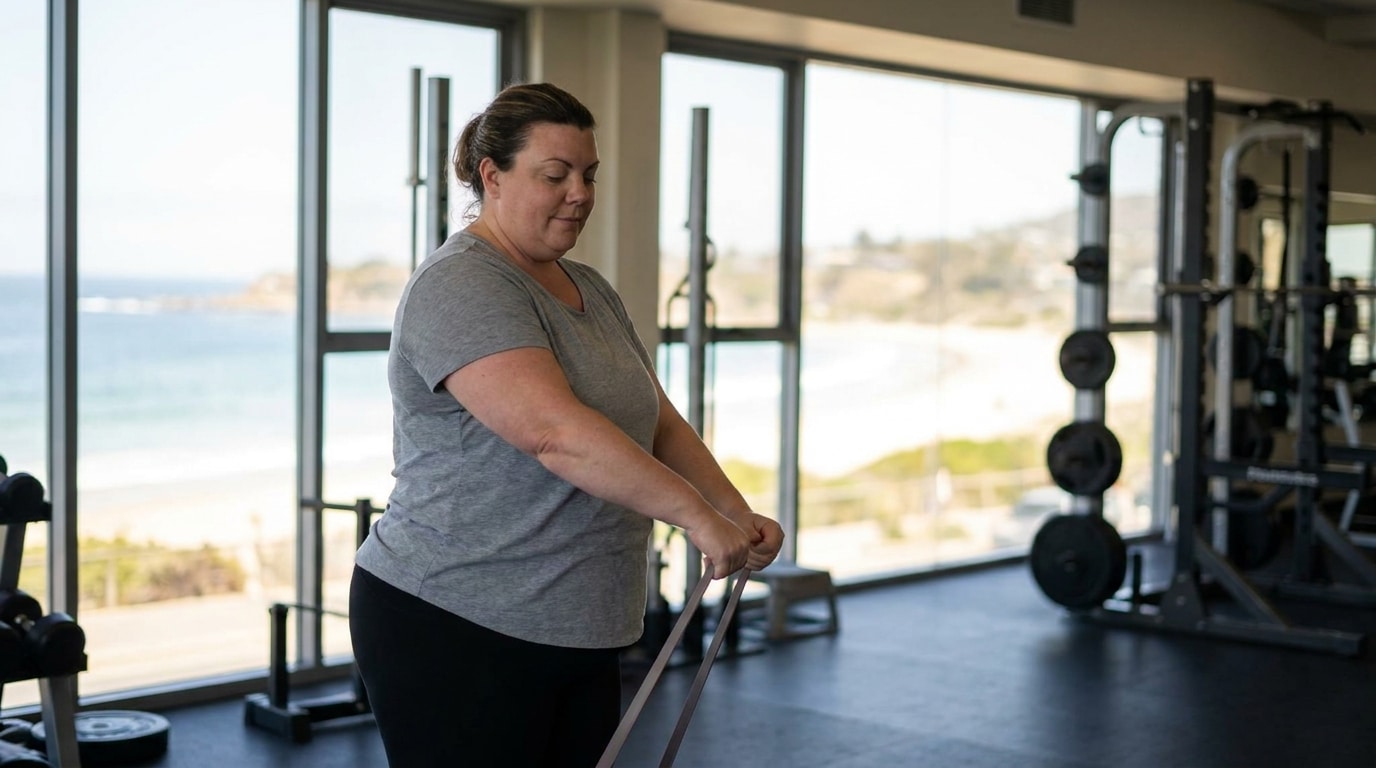
Programs should provide low-impact options, personalized modifications, and gradual intensity progressions. Effective bootcamp programming includes pre-prepared scaling options for all fitness levels, with coaches communicating modifications in advance and adjusting based on real-time feedback.
Active individuals often worry about challenge levels, yet residential programs typically offer 4–5 hours of daily training compared to the 3–4 hours per week most people complete in a standard gym. The combination of variety, intensity, and expert coaching pushes even seasoned athletes to new performance levels.
"What began as a simple one-week reboot has transformed into a complete lifestyle shift. PFC equips you with the knowledge, tools, and support to make meaningful and sustainable changes," shares Irene Tchaikovsky, a returning client who has maintained her transformation long-term.
Lauren M., who lost 140 pounds and was featured on The Today Show, explains, "I found myself again, got my confidence back, learned how, for my body type, I needed to eat and exercise, and most importantly, I learned how to adopt a healthy, sustainable lifestyle, instead of trying to change myself for it."
Alex, who lost 97 pounds, highlights the educational side: "This journey has been more than weight loss for me. PFC has given me the tools I've needed to lose over 100 pounds and cope with emotions in a healthy way rather than binge eating."
Most residential programs offer flexible stay lengths that range from one week to several months. Four weeks is a common and popular length of stay among leading programs because this timeframe supports meaningful habit formation and visible results.
All-inclusive packages for premium residential fitness programs start as low as $3,950 per week, which typically covers accommodations, meals, training, education, and spa services. The best programs provide 100% all-inclusive pricing that bundles personal training, nutrition education, cooking classes, and accommodations with no hidden costs or add-on fees.
Many programs offer 0% financing for up to six months, and some expenses may qualify as tax-deductible medical costs when recommended by a physician. Weigh this investment against the long-term costs of repeated failed diets, unused gym memberships, and obesity-related medical care.
Choosing a residential adult fitness boot camp for sustainable weight loss means evaluating staff qualifications, educational depth, progress tracking, post-program support, and an environment that makes change easier. The most effective programs pair evidence-based training with comprehensive education, stress-reducing amenities, and ongoing support that helps prevent regain.
In 2026's post-GLP-1 landscape, the focus has shifted from quick weight loss to sustainable transformation that preserves muscle, builds durable habits, and addresses the psychological side of change. The right residential program delivers more than short-term results by giving you the education, tools, and support needed for lifelong success.
Take the first step and schedule your personalized assessment to explore how Premier Fitness Camp's comprehensive approach can support your specific transformation goals. Call (888) 488-8936 or visit the consultation page to reserve your assessment today.
Weight loss varies based on your starting point, gender, current weight, height, and how much you have to lose. The average client with 40–70 pounds to lose can expect 3–4 pounds per week of fat loss. However, the quality of weight loss matters more than speed. As mentioned earlier, PFC's UCSD-validated approach focuses on preserving muscle while reducing fat, which helps many long-term clients increase lean muscle stores while losing weight. Weight is just one metric among many, and you can also expect improvements in body composition, blood pressure, cholesterol, glucose, cardiovascular fitness, and strength measurements even when the scale moves more slowly than expected.
Yes, the best residential programs accommodate all fitness levels, from complete beginners to seasoned athletes. Programs should maintain 3–4:1 trainer-to-client ratios and offer modifications, progressions, and low-impact alternatives for every exercise. Staff should include specialists in senior fitness, corrective exercise, and behavior change to address the specific needs of adults over 40. Every class should be structured so participants at any fitness level can participate safely and effectively. If you have physical limitations such as knee or back issues, look for programs with dedicated low-impact training tracks and trainers experienced in working with medical conditions.
Post-program support plays a central role in maintaining results long-term. The best residential programs provide virtual coaching sessions, personalized meal plans for home, ongoing access to trainers by email or phone, and structured check-ins that keep you accountable. Look for programs that focus on lifelong relationships rather than short-term transformations. Effective aftercare includes if-then planning for anticipated obstacles, weekly outcome reviews, and access to the same staff who worked with you during your stay. Programs with high alumni return rates usually indicate strong ongoing support systems and client satisfaction with long-term results.
Leading residential programs now integrate GLP-1 support by emphasizing resistance training and protein-focused nutrition to reduce the muscle loss commonly associated with rapid weight loss on these medications. The best programs do not discourage medication use but help you get the most benefit while building habits you can maintain when you are ready to reduce or stop the medication. They focus on preserving metabolic health through strength training, teaching proper nutrition for muscle preservation, and providing behavioral education for long-term success. GLP-1 medications are FDA-approved to be used alongside diet and physical activity, which makes structured residential programs a strong fit for comprehensive support.
Look for programs where trainers hold at least bachelor's degrees in exercise science, kinesiology, or related fields, and where many also hold master's degrees. Staff should include registered dietitians, licensed psychologists or behavioral health coaches, and wellness chefs who prepare meals on-site. Low staff turnover matters because experienced trainers who stay for years understand individual client needs and build meaningful relationships. The program should track multiple data points beyond weight, including body composition, cardiovascular fitness, strength gains, and blood markers. Educational components should include nutrition workshops, cooking demonstrations, and behavioral health sessions that address emotional eating and stress management.