 5-star Wellness Resort
 5-star Wellness Resort
Written by: Chris Butt, Certified Personal Trainer & Weight Loss Coach, Premier Fitness Camp
The physiological changes that follow GLP-1 discontinuation create a perfect storm for rapid weight regain. Hunger commonly increases and “food noise,” or persistent intrusive thoughts about food, returns after stopping medications such as semaglutide (Wegovy) or tirzepatide (Zepbound), according to dietitian Meghan Salamon at Harvard-affiliated Massachusetts General Hospital.
The metabolic consequences extend far beyond appetite changes. Weight loss from GLP-1 medications typically consists of 25–40 percent lean mass (including but not limited to muscle) and the remainder fat, though exact proportions vary by study, population, and drug. When patients regain weight after stopping, the regained weight often consists largely of fat, which worsens overall body composition and shifts the muscle-to-fat ratio in an unhealthy direction.
Research reveals clear patterns of weight regain during this vulnerable period. Patients with obesity commonly experience significant regain in the months following GLP-1RA discontinuation, with studies indicating approximately 60% of lost weight returning by 52 weeks.
Schedule a consultation to create your personalized transition strategy before you enter this high-risk window.
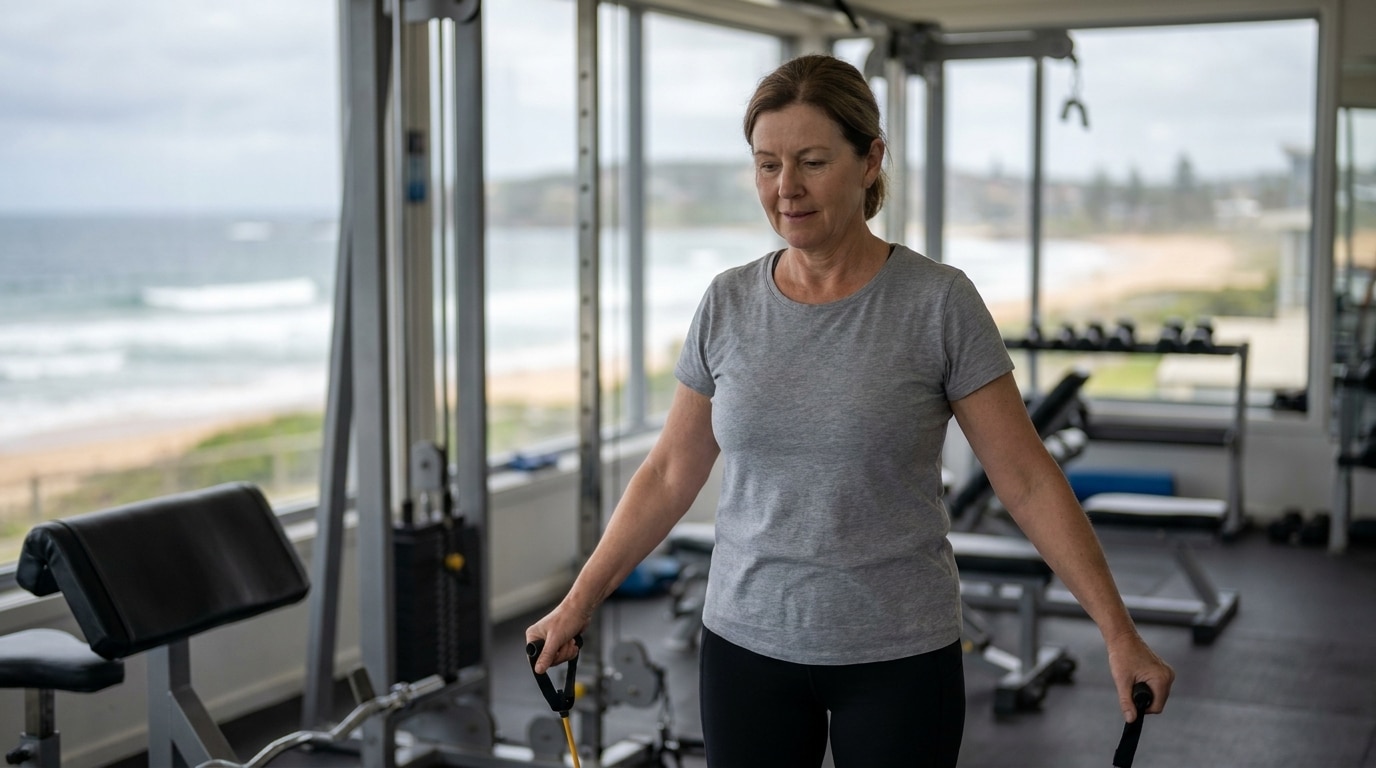
Post-GLP-1 success depends on aggressive muscle preservation and metabolic protection. Strength training helps maintain or increase lean body mass, which drives metabolism, during the transition off GLP-1 medications.
Resistance training protocols need to be intensive and consistent. People taking GLP-1 medications should aim for 60 to 90 minutes of resistance training per week using weights, resistance bands, machines, or bodyweight exercises to protect muscle and bone density. Resistance training two to three times per week, including exercises such as lunges, squats, and resistance band or light weight work, stimulates muscle growth and helps counteract muscle loss associated with rapid GLP-1-mediated weight reduction.
Protein intake plays a central role during this transition. Experts propose protein targets of 0.8 g/kg/day to 1.6 g/kg/day (or absolute intakes of 80–120 g/day) for patients on GLP-1 receptor agonists, while Dr. Susan Wolver recommends eating at least 90 grams of protein per day along with aerobic and strength training to help maintain weight loss after stopping GLP-1 medications.
The research supporting exercise intervention is compelling. A 2024 clinical study published in EClinicalMedicine found that individuals who combined exercise with GLP-1 receptor agonists maintained weight loss better and regained less weight in the year after discontinuing treatment compared with those who did not exercise.
1. Implement Intensive Resistance Training
Follow a structured daily training plan that includes resistance work, functional movement, and metabolic conditioning. The International Society of Sports Nutrition recommends 1.4–2.0 g/kg/day protein intake combined with resistance exercise to build and maintain muscle in adults.
2. Optimize Protein Distribution and Timing
Focus on high-quality protein sources at every meal and spread intake evenly across the day. Aim for roughly 30–40 grams of protein per meal so muscle protein synthesis stays elevated throughout the day instead of concentrating most protein in a single sitting.
3. Address Behavioral and Emotional Triggers
Work with licensed psychologists to understand the return of food noise and develop coping strategies for increased hunger signals. Food noise, the constant mental preoccupation with food and cravings, returns for many patients after discontinuing GLP-1 medications. This psychological foundation helps you interpret physical changes more objectively instead of reacting from emotion alone.
4. Establish Comprehensive Data Tracking
With behavioral strategies in place, monitor weekly metrics such as body composition, measurements, strength performance, and metabolic markers. These data points track progress beyond scale weight and reveal early signs of muscle loss or metabolic slowdown.
5. Create Post-Program Support Systems
Build ongoing accountability through virtual coaching, meal planning, and exercise programming. This continued structure maintains momentum after you leave the immersive environment.
Our program delivers strong results for GLP-1 graduates through a scientifically validated approach. A case study conducted with the University of California, San Diego found that 94% of total weight loss was purely fat, compared to the 60/40 fat-to-muscle ratio typical of most dieting programs. This muscle-sparing approach directly addresses the composition crisis GLP-1 users face, where medication-induced losses average 25–40% muscle and post-medication regain skews heavily toward fat.
The Think-Eat-Move framework provides comprehensive support across every dimension of post-GLP-1 recovery. Licensed psychologists address the return of food noise and emotional eating patterns. Registered dietitians design meal plans that support muscle synthesis. Wellness chefs prepare fresh, farm-to-fork meals on-site, which supports consistent protein intake throughout the day.
Training intensity exceeds that of typical fitness programs. With intensive daily training and low trainer-to-client ratios, clients receive the volume and personalization needed to rebuild lean mass. All trainers hold at least bachelor’s degrees, and many hold master’s degrees, which ensures expert guidance during this critical transition period.
The luxury resort setting at Omni La Costa creates a seamless environment for post-GLP-1 recovery. The 450-acre property offers year-round outdoor training opportunities, including Pacific coast beach workouts, hiking at Torrey Pines, and water activities that support cardiovascular health and metabolic function. The on-site spa provides three treatments per week to support recovery and stress management. These integrated amenities create a recovery-focused setting that sets our program apart from competitors.
Unlike competitors such as Unite Fitness Retreat, which operates from a downtown Salt Lake City hotel, or Live In Fitness, which uses residential homes that require transportation to facilities, our integrated resort environment removes logistical barriers and supports full immersion. Canyon Ranch and Civana emphasize general wellness rather than the specific muscle preservation and metabolic recovery needs of GLP-1 graduates.
Discuss your specific muscle-preservation needs with our team to see whether our UCSD-validated approach fits your post-GLP-1 recovery plan.
The comparison below shows how key retreat features align with the muscle-preservation, behavioral, and metabolic priorities that matter most after GLP-1 treatment.
| Feature | Our Program | Unite Fitness Retreat | Canyon Ranch | Live In Fitness |
|---|---|---|---|---|
| Daily Training Hours | Intensive | Varies | Varies | Varies |
| Trainer-to-Client Ratio | Low | Varies | Varies | Varies |
| Licensed Psychology Support | Yes, on-site | Varies | Varies | Varies |
| Registered Dietitian | Yes, on-site | Varies | Varies | Varies |
| Data Points Tracked | Comprehensive metrics | Basic measurements | Basic measurements | Basic measurements |
| Outdoor Training Options | Beach, hiking, water sports | Limited urban options | Desert hiking | Limited desert options |
Lauren M. shows the transformative potential of structured post-GLP-1 support. After losing 140 pounds, from 320 to 180 pounds, she found lasting success through our comprehensive approach: “I found myself again; got my confidence back; learned how, for my body type, I needed to eat & exercise; and most importantly, I learned how to adopt a healthy, sustainable lifestyle, instead of trying to change myself for it.”
Alex’s journey highlights the importance of addressing emotional eating patterns during GLP-1 transitions. After losing 97 pounds, from 352 to 255 pounds, Alex shared: “This journey has been more than weight loss for me. I’ve been able to find the root of my binge eating disorder and progress towards recovery through healthy cooking! Our program has given me the tools I’ve needed to lose over 100 pounds and cope with emotions in a healthy way rather than binge eating.”
Paula L.’s experience underscores the mental health benefits of comprehensive support during metabolic transitions. After losing 30 pounds, from 187 to 157 pounds, she reported: “I am now off of my anti-depressants and have a whole new outlook on life physically, mentally and spiritually. I have a new found feeling of wholeness I have not had for a while.”
Your body does not simply return to its pre-medication state after stopping semaglutide or other GLP-1 medications. The physiological changes are complex and often unfavorable without intervention. Hunger signals return stronger than before, food noise resumes, and metabolic rate may be reduced because of muscle loss that occurred during treatment. Most concerning, any weight regained tends to be predominantly fat rather than the muscle that was lost, which worsens body composition. With proper resistance training, high-protein nutrition, and behavioral support, you can maintain weight loss while rebuilding lean muscle mass and protecting metabolic function.
Weight regain after stopping Ozempic often begins within weeks and accelerates over the following months. Research shows that people regain approximately 60% of their lost weight within the first year, with most individuals returning to baseline weight within 1.5 years without intervention. The critical window is the first 2–6 months, when metabolic adaptations and returning hunger signals create the highest risk for rapid regain. This timeline highlights the need for a structured transition plan before you discontinue medication.
Maintaining muscle mass after stopping GLP-1 medications requires an aggressive, multi-pronged strategy. Perform resistance training three to four times per week with progressive overload to stimulate muscle protein synthesis. Raise protein intake to 90–120 grams daily and distribute it evenly across meals to support muscle recovery. The combination of high training volume, expert coaching, and comprehensive nutritional support creates a strong environment for muscle preservation and metabolic protection during this vulnerable transition period.
A specialized fitness retreat can support post-GLP-1 weight maintenance by providing intensive, multidisciplinary care during the critical transition period. The immersive environment removes everyday triggers while new habits form through structured daily programming. Expert-led resistance training, nutritionist-designed meals, behavioral health support, and comprehensive data tracking work together to address all aspects of post-medication recovery. The key is choosing a program built for GLP-1 graduates rather than general weight loss, with proven experience in muscle preservation and metabolic recovery.
You ideally begin a structured fitness program before stopping Wegovy so you build momentum and establish habits that support your transition. If you have already discontinued the medication, starting immediately becomes crucial because the window for preventing muscle loss and metabolic slowdown is narrow. The first 2–6 months after cessation represent the highest-risk period for weight regain, which makes early intervention essential. A comprehensive program should include resistance training to preserve muscle mass, cardiovascular exercise to maintain metabolic function, and nutritional support to improve body composition during this period.
The 2–6 month transition period after stopping Wegovy or Ozempic presents both a serious challenge and a powerful opportunity for lasting change. Returning hunger, muscle loss, and metabolic slowdown create real obstacles. With the right structured support, you can maintain your weight loss and emerge stronger and more resilient than before.
Our specialized post-GLP-1 program addresses every aspect of this transition through the proven Think-Eat-Move framework. With UCSD-validated results showing 94% pure fat loss, comprehensive behavioral health support, and the luxury environment of Omni La Costa Resort, we provide the intensive, multidisciplinary approach needed to rebuild muscle, protect metabolism, and establish sustainable habits.
The evidence shows that structured intervention during this vulnerable period often determines whether you experience lasting success or frustrating regain. You do not need to navigate this transition alone.
Book a free consultation today to discuss your post-GLP-1 goals and learn how our specialized program can help you maintain your weight loss while building the strength and habits needed for lifelong success. Call (888) 488-8936 or visit our consultation page to take the first step toward sustainable transformation.