 5-star Wellness Resort
 5-star Wellness Resort

Written by: Chris Butt, Certified Personal Trainer & Weight Loss Coach, Premier Fitness Camp
A strong integrative medicine weight loss program in a residential setting weaves medical care, nutrition, movement, and mental health into one plan. These elements should function as a single system rather than optional upgrades.
Many resorts offer spa services and label the mix as integrative medicine. Others list a physician as a consultant while uncredentialed wellness coaches handle daily care. The word “integrative” alone does not establish a practitioner’s qualifications. A responsible program explains what each treatment is meant to do, what evidence supports it, and what risks may exist.

The structural difference between a weight loss resort with integrative medicine and a medical weight loss clinic is clear. The resort is immersive, residential, and lifestyle-focused. The clinic is typically outpatient and medication-focused. The strongest programs blend these strengths and deliver clinical rigor inside an environment built for behavior and lifestyle change.
Read this guide for a deeper look at how to judge real-world results.
Choosing a medically supervised weight loss retreat starts with clear questions and specific answers. Use this checklist to separate marketing language from real clinical structure.
Certified weight loss professionals flag guaranteed rapid loss claims, no medical screening, vague staff qualifications, hidden costs, and no aftercare plan as major red flags. If a program cannot answer these questions with clear details, you have your answer.
Get your program questions answered on a free call
Top search results for integrative medicine weight loss resorts show wide variation in published physician roles and diagnostics. The table below highlights that gap. Pritikin and Canyon Ranch publish specific physician involvement and diagnostic panels, while other named programs describe wellness-level offerings with limited clinical detail.
On the question of Canyon Ranch vs. Pritikin integrative medicine, the two programs follow distinct clinical models.
| Program | Published Physician Involvement | Published Diagnostics | Published Behavioral Health |
|---|---|---|---|
| Pritikin (Doral, FL) | Physician-led program; on-site cardiologists, endocrinologists, exercise physiologists | DEXA scans, blood work, metabolic panels, fitness assessments at intake | Licensed psychologists and wellness educators; stress management and emotional eating workshops |
| Canyon Ranch (Tucson, AZ; Lenox, MA) | On-site medical department with RNs collaborating with physicians; MD physicals available | DEXA body composition, DEXA bone density, cardiac stress tests, cardiometabolic stress tests, ECG, lab processing | Wellness programming published; licensed therapist specifics not detailed in public materials |
| Hilton Head Health | Weight loss focus published; physician oversight specifics not detailed in publicly available materials reviewed | Program assessments published; specific diagnostic panel not detailed in publicly available materials reviewed | Behavioral programming published; licensure specifics not detailed in publicly available materials reviewed |
| The Ranch Malibu, Hippocrates, RAKxa | Wellness and detox focus published; physician oversight specifics vary and are not fully detailed in publicly available materials reviewed | Wellness assessments published; clinical diagnostic panels not fully detailed in publicly available materials reviewed | Mind-body programming published; clinical licensure specifics not detailed in publicly available materials reviewed |
Pritikin publishes the most detailed clinical evidence base of the named programs, with results documented in over 100 peer-reviewed studies and physician involvement described as standard. Canyon Ranch documents a functioning on-site medical department with broad diagnostic capabilities. Programs such as The Ranch Malibu, Hippocrates, and RAKxa present primarily as wellness retreats with medical components based on their public disclosures.
For the growing number of guests arriving on GLP-1 medications, vetting now includes medication-aware training and nutrition. A resort can show strong physician credentials and still fall short for this group if it does not adapt its protocols.
Guests who attend a medically supervised obesity residential wellness retreat in the United States while using or tapering Ozempic, Wegovy, or similar GLP-1 medications need a tailored approach. The way a program integrates medication support matters as much as its workout schedule.
A review of 18 randomized controlled trials found that during GLP-1 medication use, muscle mass loss accounts for 20% to 50% of total weight lost. This finding makes resistance training and protein support essential elements of any responsible program. Cleveland Clinic endocrinologist Anira Iqbal, MD, notes that strength training helps preserve muscle mass and bone density during GLP-1 use and that “once you start losing muscle mass, it becomes very difficult to gain it back.”
A residential program that integrates GLP-1 support should include:
A 2026 narrative review in Nutrients concluded that pharmacotherapy alone rarely sustains long-term obesity management and that structured nutritional support should be offered systematically rather than as an optional add-on. A strong residential program treats GLP-1 use as one tool and builds the daily habits that support long-term results and reduce rapid regain if medication changes.

Most residential weight loss resorts with integrative medicine in the United States bill as out-of-pocket expenses. Boutique residential programs typically cost approximately $3,000 to $8,000 per week, with two-week programs ranging from $6,000 to $15,000 and month-long stays from $12,000 to $30,000, depending on location, clinical depth, accommodations, and inclusions. Programs with 24-hour medical supervision usually sit at the higher end of that range.
Insurance generally does not cover residential weight loss resorts. However, IRS Topic No. 502 notes that certain medical expenses, including medically necessary weight loss programs, may qualify as deductible when paid out of pocket. HSA and FSA funds may apply to qualified medical expenses, including weight loss programs and dietitian visits with a letter of medical necessity. Always consult a tax professional before claiming deductions or using HSA/FSA funds.
Some programs offer financing or multi-week discounts. Premier Fitness Camp (PFC), for example, offers 0% financing for up to six months with no down payment, along with multi-week discounts. PFC runs approximately $6,000 per week as an all-inclusive program.
Get clear pricing and date options
Premier Fitness Camp (PFC), located at the Omni La Costa Resort & Spa in Carlsbad, California, illustrates a residential weight loss resort with doctors and licensed professionals working in a coordinated, data-driven model. PFC is not a medical clinic. It functions as a medically rigorous, integrative program built around physician-supervised assessment and licensed oversight across disciplines.
Measured against the verification checklist, PFC delivers:
PFC’s strongest proof point is a case study conducted with the University of California, San Diego (UCSD). It found that 94% of client weight loss was purely fat, while standard dieting typically produces a 60/40 fat-to-muscle ratio. Most long-term PFC clients maintained or increased lean muscle stores. This outcome reflects the program’s focus on resistance training, RD-designed nutrition, and detailed tracking.

More than 1,200 reviews, a 90%+ five-star rating, and a client base where about half of annual revenue comes from returning alumni reinforce those results. As alumna Irene Tchaikovsky shared, “What began as a simple one-week reboot has transformed into a complete lifestyle shift. PFC equips you with the knowledge, tools, and support to make meaningful and sustainable changes.”
The weight loss resort vs. medical weight loss clinic decision often comes down to immersion, cost, and the role of medication. Each path offers distinct advantages.
PFC is built to combine the strengths of all three paths. Guests receive physician-supervised assessment and diagnostics, immersive lifestyle and behavioral change, and a non-judgmental, expert-guided approach to GLP-1 integration. Clients on GLP-1 medications follow resistance training, protein-prioritized nutrition, and a clear plan for habits that sustain results with or without medication.
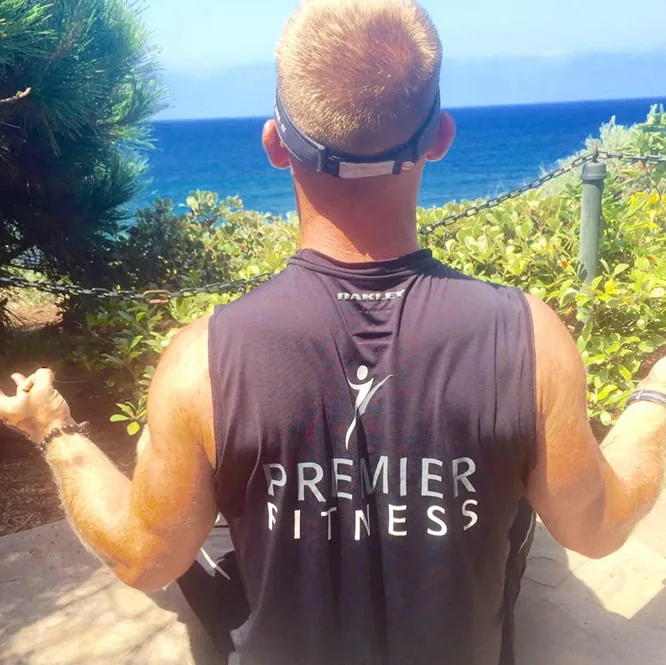
Talk with PFC about which path fits you
No single program works best for everyone because needs differ by medical history, goals, budget, and preferred support style. A more useful lens is whether a program meets the verification framework of physician oversight, comprehensive diagnostics, registered dietitians, licensed behavioral health professionals, structured aftercare, and transparent data tracking. Premier Fitness Camp meets all of these criteria and the UCSD case study shows why its focus on fat loss and muscle preservation matters.
As covered in the cost section above, boutique residential programs typically run $3,000–$8,000 per week, with longer stays scaling from that baseline. Premier Fitness Camp is priced at about $6,000 per week as an all-inclusive program that covers accommodations, meals, fitness sessions, health assessments, weekly report cards, select spa services, and post-program support. Multi-week discounts and 0% financing for up to six months with no down payment are available.
Insurance rarely covers residential weight loss retreats. Some guests may treat program fees as a tax-deductible medical expense when the stay is medically necessary, paid out of pocket, and documented with a physician’s letter. HSA and FSA funds can sometimes apply to qualified medical expenses, including weight loss programs and dietitian services. Rules vary by plan and tax situation, so review them with a tax professional before you claim deductions or use HSA/FSA funds.
Medicare coverage for GLP-1 medications for weight loss remains limited and continues to evolve. As of mid-2026, a limited-time Medicare GLP-1 bridge program offered GLP-1 medications for $50 per month to Medicare Part D beneficiaries from July 1, 2026 through December 31, 2027. Coverage for obesity without a diabetes diagnosis has historically been restricted. Check current CMS guidelines and speak with your prescribing physician for the latest information on your situation.
A medically rigorous program should run blood work at intake, including a full lipid panel, fasting glucose, and organ function markers. Body composition should be measured beyond BMI, ideally with DEXA scanning or validated bioelectrical impedance analysis. Blood pressure, fitness assessments, and measurements should be taken at intake and tracked weekly. Programs that track only scale weight are not practicing full integrative medicine.
Use the checklist in this article and ask for specifics on every point:
A legitimate program answers each question with clear details. Vague references to “holistic wellness” and “expert teams” without credentials or data signal a problem.
Most guests on GLP-1 medications can attend, and a strong program will coordinate with your prescribing physician rather than ask you to stop. Look for progressive resistance training to protect muscle, protein-prioritized nutrition at every meal, metabolic support through combined aerobic and strength conditioning, and a non-judgmental stance on medication use. Premier Fitness Camp adjusts its protocol for GLP-1 users and focuses on resistance training, protein intake, and sustainable habits that support long-term results and reduce regain if medication changes.
Structured aftercare often separates lasting change from short-term results. Look for virtual coaching with accountability check-ins, personalized meal plans designed for your home environment, fitness programming you can follow on your own, and ongoing access to staff. At Premier Fitness Camp, clients receive virtual coaching, personalized meal plans, fitness guidance, and direct email access to trainers. The fact that about half of annual revenue comes from returning alumni reflects both program quality and the depth of client relationships.
The verification framework for any weight loss resort with integrative medicine centers on six non-negotiable components:
Programs that cannot answer specific questions about these components with clear details deserve careful scrutiny, regardless of marketing language or amenities.
Use the checklist in this article when you evaluate any program, and speak with your healthcare provider before booking a residential stay, especially if you manage chronic conditions or take medications.
Premier Fitness Camp aligns with every part of this framework, from day-one physician assessment through structured aftercare, and the UCSD data supports its focus on fat loss and muscle preservation. It serves guests who feel finished with temporary fixes and ready for lasting, data-informed change.
Plan your next step with a free consultation