 5-star Wellness Resort
 5-star Wellness Resort
Written by: Chris Butt, Certified Personal Trainer & Weight Loss Coach, Premier Fitness Camp | Last updated: October 26, 2026
Get a personalized cholesterol-lowering plan
Exercise affects each lipid number differently, and most content online glosses over this distinction.
HDL cholesterol (the “good” kind) responds reliably to regular aerobic exercise. A 2007 meta-analysis of 25 randomized controlled trials found aerobic training raised HDL by a mean of 2.53 mg/dL, and a 2025 meta-analysis of adults 45 and older confirmed aerobic exercise raised HDL with a standardized mean difference of 0.27.
Triglycerides are where exercise shows its clearest and fastest benefit. A 2026 umbrella review of 122 studies and 9,639 participants found exercise-based interventions lowered triglycerides by a weighted mean difference of −0.19 mmol/L (about 17 mg/dL) across all modalities.
LDL cholesterol is where expectations need calibrating. The same 2026 umbrella review found exercise reduced LDL by an average of only 0.18 mmol/L (about 7 mg/dL), with enormous variability between individuals (I²=83%). That modest effect is why diet does more of the LDL heavy lifting. Reducing saturated fat and increasing soluble fiber are the levers with the clearest impact. A meta-analysis cited by the National Lipid Association found that 2–10 grams of daily soluble fiber alone produced a 7% LDL reduction. Combining exercise with those dietary changes is more powerful than either alone.
Knowing that exercise helps is only half the picture; the next step is understanding how much you need each week.
The 2026 ACC/AHA multi-society dyslipidemia guideline recommends at least 150 minutes per week of moderate-to-vigorous intensity aerobic exercise, plus muscle-strengthening (resistance) activity on at least two days per week. This prescription is the evidence-based minimum for cardiovascular and metabolic benefit.
Mechanically, aerobic exercise lowers triglycerides by decreasing hepatic VLDL synthesis and increasing muscle lipoprotein lipase activity. HDL rises partly because the same enzyme system that clears triglycerides also transfers cholesterol to HDL particles. LDL changes are more indirect and depend heavily on body composition shifts and dietary context. A June 2026 AHA scientific statement published in Circulation confirmed that regular physical activity improves cholesterol, blood pressure, and insulin sensitivity independent of weight loss.
Different types of exercise have different effects on lipid management. Here is what the evidence supports, with modifications for beginners, older adults, and those with joint concerns.
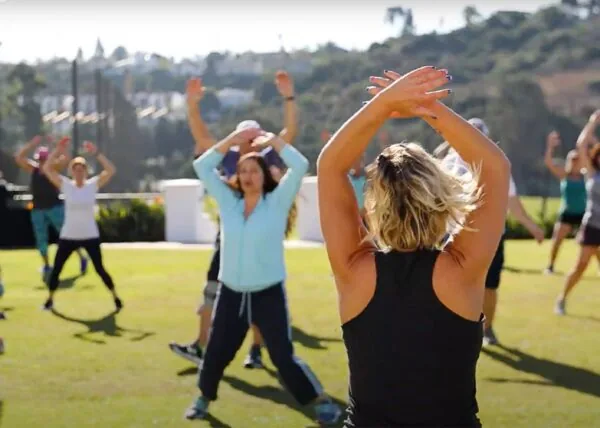
Many people can meet the weekly prescription with simple at-home movements. Effective options include bodyweight squats, wall push-ups, resistance band rows, seated leg extensions, marching in place, and stair climbing. Low-impact modifications such as chair squats, seated arm raises, and heel raises are appropriate for those with knee or hip limitations.
Yoga and tai chi also show meaningful triglyceride and HDL benefits. The 2026 Poon et al. umbrella review found mind-body exercise produced the largest HDL increase (0.12 mmol/L) and largest triglyceride reduction (−0.35 mmol/L) of any single modality studied.

If you have heart disease, joint issues, or are on medication, clear any new exercise program with your doctor before starting.
This plan totals approximately 150 minutes of moderate aerobic activity plus two strength sessions across the week, with one full rest day. Beginners can split any session into two 10–15-minute blocks. The outline below shows how those minutes break down day by day, so you can see where cardio, strength, and recovery fit.
Health.com’s 7-day workout plan includes one cardio day with at least 30 minutes of aerobic activity and four muscle-strengthening sessions (two upper-body and two lower-body days) across the week. This matches the AHA’s minimum prescription for cardiovascular and metabolic benefit.
To get expert coaching tailored to your lipid panel, call (888) 488-8936 or use the button below to book online.
Get expert coaching to lower cholesterol naturally
Realistic expectations help you stay consistent. The timeline below is based on the available evidence, not best-case scenarios. Individual results vary, and you should always coordinate re-testing with your doctor.
The key variable is consistency. Research cited in a 2026 systematic review shows that stopping exercise reverses lipid benefits. Exercise works best as a continuing behavior rather than a short-term course of treatment.
Exercise is a powerful tool, but it has limits. Being clear about those limits makes guidance useful rather than wishful.
For LDL specifically, the 2026 AHA scientific statement is direct: “For most people, cardio exercise without changing your diet is unlikely to result in a large amount of weight loss. Dietary changes remain the primary driver of weight loss” and the same logic applies to LDL reduction. Reducing saturated fat and increasing soluble fiber intake are the dietary levers with the clearest LDL impact. The 2026 ACC/AHA dyslipidemia guideline notes that patients with only slightly elevated LDL and a poor diet may reach their goal through saturated-fat reduction and increased fiber-rich plant foods alone, while those with large gaps to goal will likely need medication.
Sleep, stress management, and weight also influence lipid panels. Exercise can partially address these factors, but it cannot fully resolve them on its own. Lemon water has essentially no evidence base for cholesterol management, while apple cider vinegar has only limited, low-certainty evidence. Meta-analyses of small randomized trials show a statistically significant but modest reduction in total cholesterol (about 6 mg/dL) with no significant effect on LDL-C or HDL-C, so it is not a meaningful substitute for proven cholesterol interventions.
For a deeper look at dietary and supplement strategies, see How to Lower High Cholesterol Naturally: Remedies That Work and How To Lower Triglycerides Naturally: 6 Key Levers.
If your LDL remains significantly elevated after 12–24 weeks of consistent lifestyle change, that is a conversation to have with your doctor about medication.
The previous section showed that exercise alone has limits, especially for LDL. A home routine is a reasonable starting point. For the Reset Seeker who has tried gym memberships and diets without lasting results, the missing ingredient is usually structure, accountability, and a plan that addresses the whole person rather than more information.
Premier Fitness Camp (PFC) is the leading supervised program for adults who want to lower cholesterol naturally as part of a comprehensive, data-driven health transformation. Located at the Omni La Costa Resort & Spa in Carlsbad, California, PFC delivers 4–5 hours of expert-led daily training Monday through Friday (half day Saturday) at a 3–4:1 client-to-trainer ratio, compared to the 3–4 hours per week most people manage at a gym. Every trainer holds at minimum a bachelor’s degree, and many have been with PFC for years.
What makes PFC uniquely relevant for cholesterol management is its weekly tracking of 17 data points, which explicitly include LDL, HDL, triglycerides, and glucose alongside body composition, blood pressure, strength, and cardiovascular fitness markers. Registered dietitians design every meal and lead nutrition education sessions. Wellness chefs prepare all food on-site using fresh, farm-to-fork ingredients. Behavioral health coaches and licensed psychologists address the emotional and lifestyle patterns that undermine solo efforts.
A UCSD case study, conducted over approximately one year with participants who stayed four or more weeks and received DEXA scans, found that 94% of client weight loss at PFC was purely fat, compared to the 60/40 fat-to-muscle ratio typical of standard dieting programs. Most long-term PFC clients preserved or increased lean muscle mass, protecting the metabolic rate that makes results last. PFC has earned 1,200+ reviews with a 90%+ five-star rating, and 50% of annual revenue comes from returning alumni, which signals genuine, lasting results.
Alternatives like home routines, gym memberships, or other wellness retreats can provide a starting point. None combine supervised lipid-panel tracking, registered dietitian-led nutrition education, behavioral health coaching, and immersive daily training in a single program the way PFC does.
To learn more, call (888) 488-8936. The consultation is free, personalized, and low-pressure. Those results, and the alumni who keep coming back, speak for themselves.
See if PFC’s supervised program is right for you
Below are answers to common questions about using exercise to lower cholesterol, based on the evidence covered above.
Triglycerides respond fastest to aerobic exercise, and measurable reductions can appear within a few weeks of consistent moderate-intensity cardio. Exercise-induced improvements in HDL cholesterol typically require a minimum of about 8 weeks of training to be detectable, with most benefits accrued around 8–12 weeks. Further improvements are possible beyond 12 weeks, and some physicians wait until at least 12 weeks before re-testing lipids. LDL is the slowest to respond and requires sustained exercise combined with dietary changes for meaningful movement. No single exercise modality is dramatically faster than another for lipids. Consistency and total weekly volume matter more than format.
Exercise reliably improves HDL and triglycerides without dietary changes, as confirmed by multiple large meta-analyses. Exercise training without dietary change reduces LDL cholesterol by roughly 5–8 mg/dL on average (a 2024 meta-analysis of 148 RCTs found about 7.2 mg/dL), though this pooled average masks substantial variability, with prediction intervals indicating no LDL benefit in roughly a quarter of studies. For meaningful LDL reduction, reducing saturated fat and increasing soluble fiber intake alongside exercise produces substantially better results than exercise alone.
No strong evidence establishes a superior time of day specifically for cholesterol improvement. The best time is the time you will actually do it consistently. Morning exercise has adherence advantages for many people because it is less likely to be displaced by daily obligations. An evening walk that happens every day still outperforms a morning workout that does not.
The 2026 ACC/AHA dyslipidemia guideline recommends re-testing lipid profiles 4–12 weeks after initiating or adjusting lipid-lowering therapy, with every 6–12 months thereafter for ongoing monitoring. Twelve weeks is the most defensible first checkpoint for exercise-induced changes. Re-testing at 4 weeks is too early to capture meaningful lipid shifts from exercise alone. Always coordinate re-testing timing with your doctor, especially if you are also adjusting medications or diet.
Walking is enough for many people, particularly for triglycerides and HDL. The National Lipid Association case study described earlier documented meaningful triglyceride and HDL improvements in a previously sedentary man who built to 150 minutes of walking per week over 12–16 weeks, with no other changes. Walking at a brisk pace, where conversation requires some effort, qualifies as moderate-intensity aerobic exercise and meets the AHA’s minimum prescription. Adding two resistance-training sessions per week amplifies the benefit.
Low-impact options such as stationary cycling, swimming, water aerobics, chair-based exercises, resistance bands, and yoga or tai chi provide meaningful cardiovascular and lipid benefits with minimal joint stress. Start with 5–10 minutes of easy movement and add time gradually. Consult your doctor before beginning if you have significant joint pain, recent surgery, or a diagnosed cardiovascular condition. A supervised program with a low client-to-trainer ratio, like PFC’s 3–4:1 model, ensures every session is adapted to your specific limitations from day one.
Ready to build a cholesterol-lowering plan with expert guidance? Call (888) 488-8936 or book your free consultation online.
Start lowering cholesterol naturally with expert guidance