 5-star Wellness Resort
 5-star Wellness Resort
Written by: Chris Butt, Certified Personal Trainer & Weight Loss Coach, Premier Fitness Camp
Start Your Personalized Recomp Plan At PFC
Four core training and nutrition variables drive body recomposition, and a fifth pillar keeps you focused on the right progress markers. Every one of them fits into a full calendar.
Muscle preservation is the outcome that makes fat loss last. Muscle protects resting metabolic rate, which is why losing fat while keeping muscle produces results that hold. The Cleveland Clinic's body recomposition guidance reinforces that the combination of resistance training and adequate protein separates recomposition from simple weight loss. Premier Fitness Camp (PFC) has a UCSD case study, always a case study and not a clinical study, in which 94% of client weight loss was fat while lean muscle was preserved or increased, compared with the roughly 60/40 fat-to-muscle ratio typical of standard dieting. That difference creates metabolic protection you can feel for years.
Those pillars only work when they live inside a real week, so this schedule shows how to put them in order. Every session has a 35-minute cap. Every movement has a lower-impact or at-home substitution, so a woman with bad knees or no gym access can still run the week.
For more exercise options and progressions, see the Body Recomposition Workout Plan For Adults Over 35.
Get Your Week Planned By A PFC Trainer
A 150-pound woman needs about 110–130 g of protein per day, within the recommended 1.4–2.0 g/kg/day range. She does not need an elaborate Sunday prep marathon, but she should spread that protein across meals, roughly 25–35 g every 3–4 hours, to support muscle protein synthesis. Anchor foods she can grab at any grocery store make this realistic.

High-protein anchors with approximate protein per serving:
A sample day for a 150-pound woman, no weighing required:
No 10 p.m. chicken-breast sessions and no special containers. For more nutrition strategy, see Body Recomposition Diet Tips For Adults 35+.
Expect visible change in 8–12 weeks. Meaningful scale movement usually takes longer, and strength gains often appear faster than visual ones. Visible changes typically emerge between weeks 8 and 12, with the scale often slowing around weeks 3–4 as muscle gains mask fat loss. The scale stall is real and normal because new training causes water retention and muscle gain offsets fat loss in total weight. A woman may gain roughly one to three pounds of muscle while dropping an equivalent amount of body fat over approximately three months, which can produce identical before-and-after scale readings and a completely different body. The path is non-linear, so commit to 12 weeks before drawing conclusions.
A minimum effective week includes one 20-minute full-body session, two short walks of 10–15 minutes, and protein at breakfast. That is the floor because it preserves the habit and most of the muscle you have built. This is why two sessions beat zero and why a disrupted week becomes useful data instead of a dead end.
Concrete triggers and responses:
The fallback week keeps the plan alive through March. Strength can be maintained for up to 32 weeks with as little as one session per week at high intensity, which means a scaled-back week preserves nearly everything you have built.
Several measures move more clearly than the scale during recomposition.
No single metric tells the full story. The National Academy of Sports Medicine notes that consistency of method matters more than the sophistication of the tool. Using the same approach under the same conditions is what makes trends readable. PFC tracks 17 data points weekly per client. These include body fat; neck, waist, umbilicus, upper arm, chest, hip, and quad measurements; blood pressure; LDL, HDL, triglycerides, and glucose; push-ups, plank time, and mile time. It is a clear example of how much more there is to measure than weight alone. For a full framework, see How To Track Body Recomposition Progress Effectively and How To Track Body Recomposition: 5 Methods, A Weekly Routine.
Because protein timing and morning movement both show up in recomp advice, the 30-30-30 rule deserves a direct look. The 30-30-30 rule, originally outlined by Tim Ferriss in The 4-Hour Body and later popularized on TikTok, calls for eating 30 grams of protein within 30 minutes of waking, followed by 30 minutes of low-intensity movement. It gets two things right: anchoring the day with protein supports satiety and blood sugar stability, and morning movement builds a consistent habit. Registered dietitian Whitney Stuart notes the rule's appeal is its structure, with no calorie counting, no food-group restrictions, and a clear morning routine.
The rule misses several pieces for body recomposition. It does not include a strength-training plan or progressive overload, which are the mechanisms that build and preserve muscle. It also does not address total daily protein intake. Thirty grams at breakfast is a useful start, yet it remains only one part of a complete strategy. The 30-30-30 protocol has never been tested as a combined formula in any published clinical trial, and controlled trials comparing fasted and fed 30-minute walks found no difference in body composition after four weeks. The 30-30-30 rule works well as a morning habit scaffold. It does not function as a full recomp plan on its own.
Busy women who want measurable, muscle-preserving fat loss without guessing get that outcome faster in an immersive setting. Premier Fitness Camp (PFC) is that expert-led, immersive answer. It is a complete environment built around the exact problem of losing fat while building muscle, with the education to sustain those results at home.

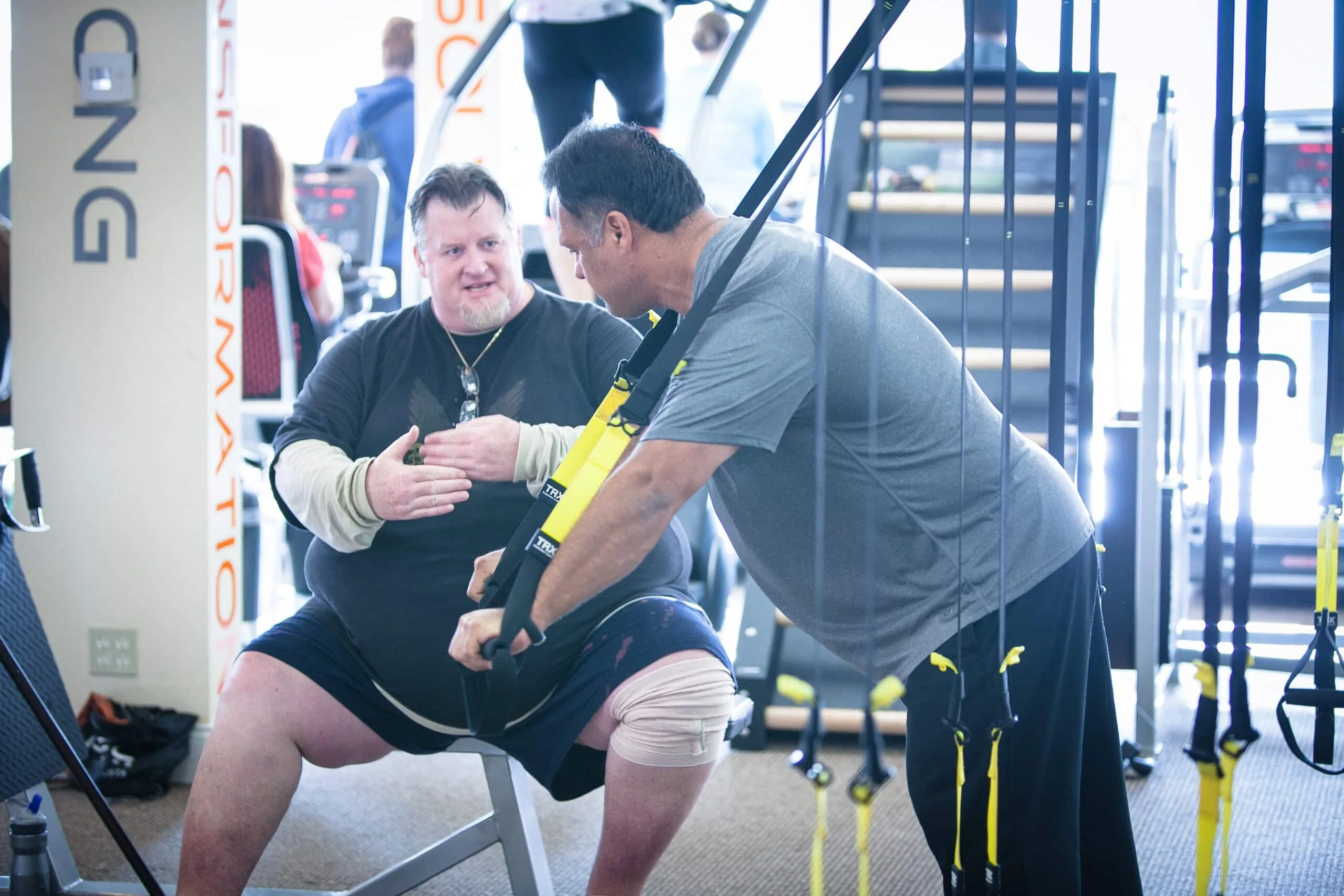
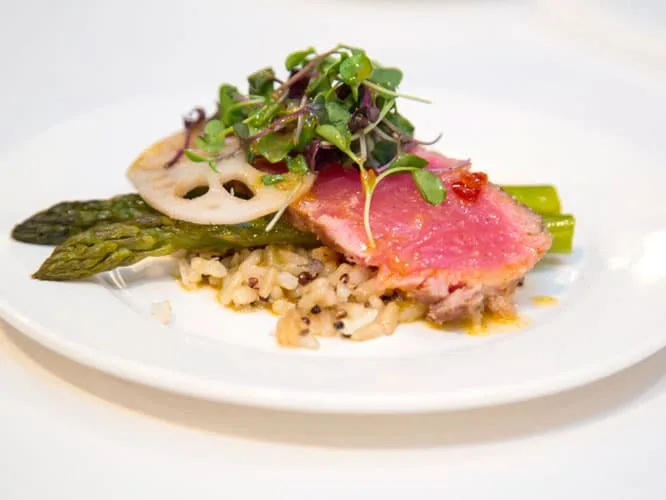
PFC's “Think, Eat, Move” philosophy puts certified trainers, registered dietitians, wellness chefs, and licensed psychologists in the same program. The protein and nutrition problem is solved on-site: PFC's own wellness chefs prepare all meals from fresh, farm-to-fork ingredients, and clients leave with the cooking education to replicate it at home. Training runs 4–5 hours per weekday at a 3–4:1 client-to-trainer ratio, and every class is modifiable from beginner to athlete. Women with bad knees, no prior gym experience, or significant weight to lose receive coaching that meets them where they are.
Progress is measured across 17 data points weekly, with an optional DEXA scan, the gold standard for body composition, so a client always knows whether she is losing fat or muscle. That same UCSD case study, the 94% fat-loss result cited earlier, is the clearest evidence of what this environment produces.
PFC operates at the Omni La Costa Resort & Spa in Carlsbad, California. The 450-acre property has a year-round moderate Pacific coast climate, and beach workouts and spa treatments are included. Stays start at one week. Over 1,200 reviews carry a 90%+ five-star rating, and 50% of annual revenue comes from returning alumni. As Irene Tchaikovsky wrote in her Google review, “What began as a simple one-week reboot has transformed into a complete lifestyle shift. PFC equips you with the knowledge, tools, and support to make meaningful — and sustainable — changes.”
PFC is a premium, in-person, live-in experience that requires time and money, and it functions as an investment in the one thing everything else depends on. For women who want the over-40 angle specifically, see Body Recomposition For Women Over 40: 12-Week Plan.
Talk To A PFC Coach About Your Goals
Body recomposition works when the plan is small enough to keep. Three 35-minute sessions, protein from ordinary groceries, daily walking, seven hours of sleep, and a fallback week for when life intervenes create a plan built for the calendar you actually have. The fallback week is part of the design and keeps you moving forward instead of starting over.
PFC gives women a place to practice that plan with expert support, daily structure, and detailed tracking. With 1,200+ reviews and a 90%+ five-star rating, PFC has helped thousands of women build the body and the habits that last.
Plan Your Recomp Journey With PFC
The questions below cover the sticking points women raise most often about fitting body recomposition into a busy week.
Can I Do Body Recomposition With Only Three 35-Minute Sessions A Week?
Yes. Research consistently shows that two to three full-body strength sessions per week, performed with consistent effort and progressive overload, are sufficient to build muscle and preserve lean mass during a calorie deficit. The key variables are effort and consistency, and not marathon session length. Three 35-minute sessions done reliably outperform five sessions done sporadically.
Do I Need A Gym, Or Can I Do This At Home?
A gym is optional. Every movement in the weekly template above has a bodyweight or resistance-band substitution. Goblet squats become bodyweight squats, rows become band rows, and Romanian deadlifts become single-leg hip hinges. A set of adjustable dumbbells or a resistance band kit covers the full program. The most important equipment is a consistent schedule.
What If I Miss A Week — Have I Ruined My Progress?
Progress does not vanish in a single week. As noted above, strength holds for up to 32 weeks on as little as one session per week at sufficient intensity. A disrupted week provides information instead of a verdict. The fallback protocol of one 20-minute session, two short walks, and protein at breakfast preserves nearly everything built so far and keeps the habit intact for the following week.
How Much Protein Do I Need, And Can I Hit It Without Meal Prep?
A practical target for most women doing body recomposition is 0.7 to 1 gram per pound of body weight per day, which works out to roughly 110–130 grams for a 150-pound woman. That target is achievable without meal prep using grocery-store anchors such as Greek yogurt, eggs, rotisserie chicken, canned tuna, cottage cheese, edamame, and protein powder. Hitting protein at three meals plus one snack, using the anchors listed above, reaches the daily target without weighing or tracking every gram.
Why Hasn't The Scale Moved After Six Weeks?
The scale measures total body weight instead of body composition. During recomposition, fat loss and muscle gain can offset each other on the scale for weeks, sometimes months, while the body changes substantially. Water retention from new training, glycogen storage, and normal hormonal fluctuation all add noise to daily readings. If your waist measurement is decreasing, your strength is increasing, and your clothes fit differently, recomposition is working. The scale is one data point among many.
Is Body Recomposition Different For Women Over 40?
The same principles apply, but the margins tighten. Perimenopausal and postmenopausal women face anabolic resistance, meaning a higher training stimulus is needed to trigger the same degree of muscle growth, which makes progressive overload and consistently high protein intake even more important. The timeline may extend, and visual changes a 25-year-old sees in 10 weeks may take 14 weeks for a woman in her late 40s. The outcome remains achievable. For a dedicated plan, see Body Recomposition For Women Over 40: 12-Week Plan.
When Should I Consider An Immersive Program Like PFC Instead Of Doing It Alone?
An immersive program makes sense when the self-directed approach has been tried and stalled, when accountability and expert guidance are the missing variables, or when the goal is to compress months of learning into weeks. PFC is particularly well-suited for women who want measurable, muscle-preserving fat loss with registered dietitians, certified trainers, and behavioral health support working together, and who want the education to sustain results at home. Stays start at one week.
Get Expert Support For Your Recomp Goals