 5-star Wellness Resort
 5-star Wellness Resort

Written by: Chris Butt, Certified Personal Trainer & Weight Loss Coach, Premier Fitness Camp | Last updated: November 9, 2026
Explore Personalized Support at Premier Fitness Camp
Red yeast rice is the most evidence-backed herb for lowering cholesterol because its active compound, monacolin K, is chemically identical to lovastatin, the prescription statin. That same equivalence means it carries statin-like risks, including muscle, liver, and kidney concerns, and it requires physician guidance if used alongside a prescription statin.
Here is the ranking at a glance; the sections below explain the trial data behind each tier.
Each entry below covers the trial data behind its tier, starting with the strongest.
The NIH National Center for Complementary and Integrative Health (NCCIH) explains that red yeast rice is produced when the mold Monascus purpureus ferments rice, generating monacolins including monacolin K, a compound structurally identical to the prescription drug lovastatin. Products with meaningful monacolin K content work like a low-dose statin.
A 2017 analysis of 28 U.S. retail brands found none disclosed monacolin K quantity on the label, two had no detectable monacolin K, and among the 26 that did, levels varied more than 60-fold. A 2021 product analysis found that only one of 37 tested products had citrinin, a kidney-toxic contaminant, below the EU maximum limit, and four products labeled “citrinin-free” were contaminated. The FDA’s position follows from the same monacolin K content: products with significant amounts are unapproved new drugs and are not legally sold in the United States. Evidence tier: Strong, with major caveats.
A 2020 systematic review and meta-analysis of 12 randomized controlled trials found fenugreek lowered total cholesterol by approximately 9.4 mg/dL, LDL cholesterol by 6.6 mg/dL, and triglycerides by 13.8 mg/dL versus control. Doses in human trials have ranged from approximately 400 to 1,800 mg per day of seed extract for 8 to 12 weeks. A National Lipid Association review notes that study methods, preparations, and results vary considerably, so firm efficacy conclusions remain premature.
Fenugreek can cause a meaningful drop in blood sugar, which matters for anyone on glucose-lowering medication. A case report documented a probable warfarin interaction when fenugreek was combined with boldo. Evidence tier: Moderate.
NCCIH’s garlic fact sheet allows that garlic supplements may reduce total and LDL cholesterol slightly in people with high blood cholesterol. The better-controlled trials have not backed that up: a six-month trial of 192 patients found none of three garlic forms, raw, powdered, or aged extract, moved LDL-C, HDL-C, total cholesterol, or triglycerides. In the Cleveland Clinic’s SPORT trial, garlic increased LDL-C by 7.8% compared with placebo.
NCCIH warns that garlic supplements may increase bleeding risk, particularly for people taking anticoagulants or aspirin. Evidence tier: Limited to moderate.
A 2026 systematic review and meta-analysis of 13 randomized controlled trials found ginger supplementation did not significantly change total cholesterol or LDL cholesterol in patients with type 2 diabetes. It produced a statistically significant but clinically modest triglyceride reduction, and that result depended on a single trial. A 2026 umbrella review synthesizing 36 meta-analyses reported pooled LDL-C reductions ranging from 0.30 to 11.22 mg/dL, effects the authors called of limited clinical importance and rated with moderate to critically low certainty.
Ginger carries a bleeding risk similar to garlic, which is particularly relevant for people on blood thinners. Evidence tier: Limited.
A review of six clinical trials of ginseng cited by the National Lipid Association found total cholesterol ranged from a 29% reduction to a 7% increase across studies. LDL-C ranged from a 45% reduction to an 11% increase, and triglycerides from a 24% reduction to a 10.5% increase. The reviewers concluded there were insufficient well-designed randomized controlled studies to support any recommendation for ginseng in cholesterol reduction. Evidence tier: Limited.
Green tea catechins, particularly EGCG, have shown modest LDL and total cholesterol effects in some trials. The critical safety distinction lies between brewed tea and concentrated supplement extracts. A 2018 European Food Safety Authority scientific opinion concluded that green tea extracts at 800 mg EGCG per day or above cause statistically significant increases in liver enzymes, ALT and AST, and that no safe dose could be identified for concentrated green tea extracts used in food supplements. Traditionally prepared infusions were generally considered safe at customary intake levels. Evidence tier: Limited to moderate.
Guggul presents one of the clearest conflicts in the herb literature. A pooled analysis of Ayurvedic trials suggested total cholesterol and LDL reductions, but a well-controlled 2003 JAMA randomized trial of 103 adults found LDL cholesterol rose by a net 9 to 10% versus placebo on guggulipid. A 2021 placebo-controlled Italian trial found no difference between a guggul-triphala blend and placebo.
Memorial Sloan Kettering Cancer Center warns that guggul may induce CYP3A4 and reduce the effectiveness of CYP3A4 substrate drugs, a category that includes several statins. Hypersensitivity rash occurred in 6 of 67 guggulipid users in the JAMA trial versus none on placebo. Evidence tier: Limited/mixed.
A 2026 double-blind, placebo-controlled trial of 108 East Asian adults found a flavonoid-standardized bergamot extract at 375 mg per day produced a 7.0% LDL-C reduction at four months versus placebo, a statistically significant but modest effect. Prior Caucasian trials reported larger reductions from higher baseline LDL levels.
The trial lasted only four months, excluded statin users, and did not assess cardiovascular outcomes. The authors explicitly noted the duration does not permit conclusions about long-term sustainability. Evidence tier: Limited.
In the Cleveland Clinic’s SPORT trial, turmeric did not significantly lower LDL-C compared with placebo. Mechanistic research on curcumin is active, but controlled human comparison data do not support turmeric as a reliable LDL-lowering intervention at this time. Evidence tier: Limited.
Several herbs carry documented or plausible interactions that require physician review before use, especially for anyone already on lipid-lowering or anticoagulant therapy.
Key interactions to discuss with your doctor:
Tell every prescribing clinician about every herb and supplement being taken, including dose and frequency, so each medication plan reflects the full picture.
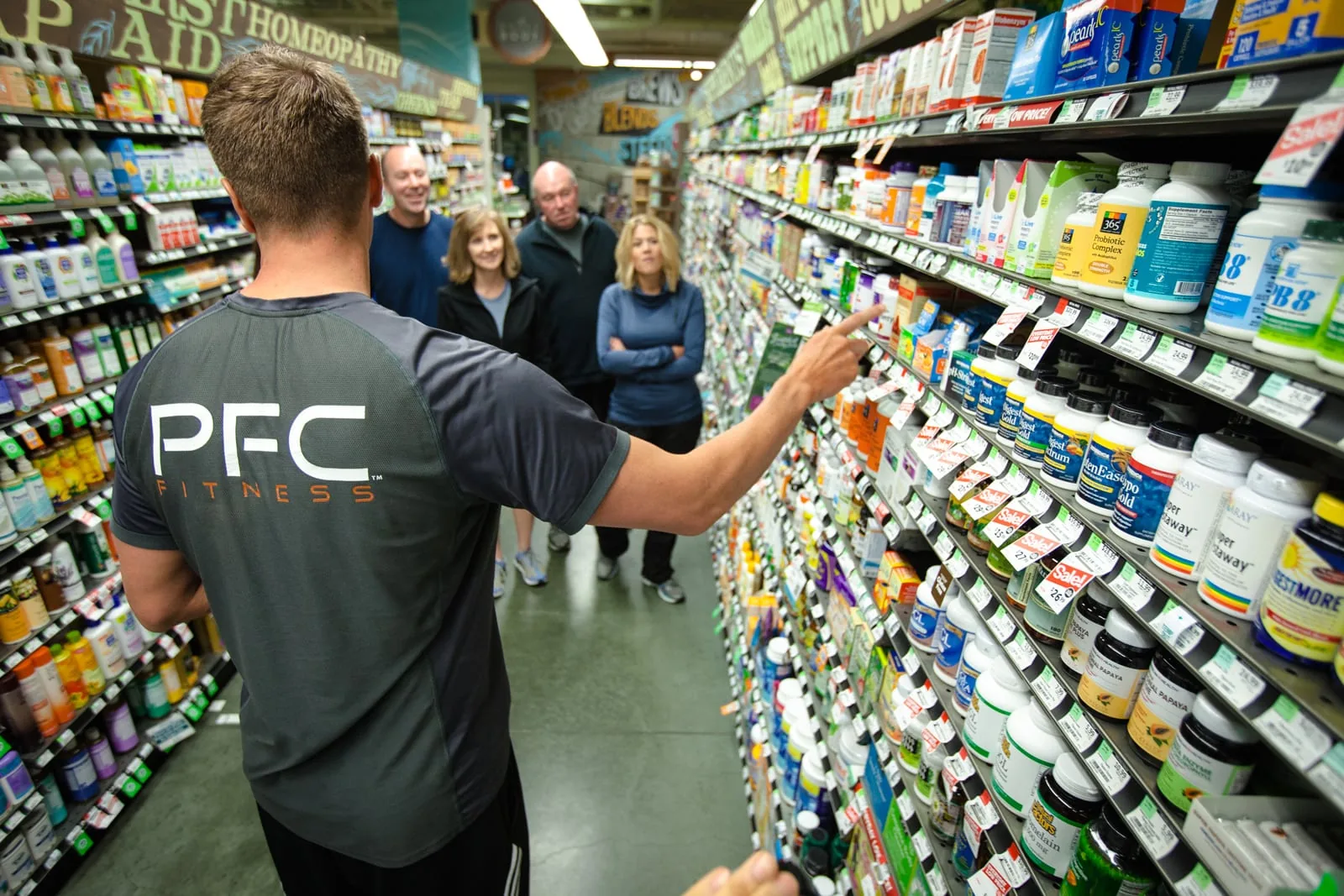
Supplement labels in the U.S. are not required to disclose the quantity of active compounds such as monacolin K. The U.S. Pharmacopeia (USP) notes that in 2024, the FDA tested nearly 70 dietary supplements sold by major online retailers and found most contained active ingredients not listed on the label. Four practical steps reduce risk:
Third-party verification confirms quality, not efficacy. A USP mark means the product contains what the label claims. And even a perfectly verified herb is a small lever compared with the interventions that actually move LDL.
Herbs play a minor role in LDL reduction compared with lifestyle and medication. The 2026 ACC/AHA dyslipidemia guideline identifies dietary pattern, soluble fiber, plant sterols, and regular physical activity as the primary lifestyle tools for LDL reduction. Optimized dietary therapy can lower LDL-C by roughly 8 to 15%, while statins manage 20 to 50%. Within that dietary range, two additions do most of the work: about 2 grams of plant sterols daily, which lowers LDL by another 5 to 15%, and more soluble fiber from food. Structured aerobic and resistance exercise rounds out the set and has some of the most consistent human evidence.

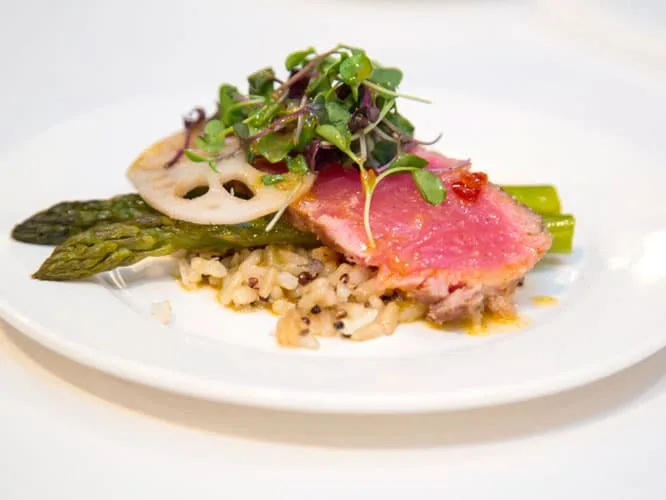
This is precisely where Premier Fitness Camp (PFC) turns education into lasting results. Its “Think, Eat, Move” philosophy treats cholesterol as a product of daily habits, so every element of the program targets one of those habits. Registered dietitians design the meals and teach the dietary patterns proven to lower LDL. Wellness chefs prepare fresh, farm-to-fork meals on-site at the Omni La Costa Resort in Carlsbad, California, and show clients how to repeat them at home. Behavioral health coaches work on the emotional and lifestyle patterns that drive poor food choices.
PFC tracks 17 data points weekly on a personalized report card, including LDL, HDL, triglycerides, and glucose alongside weight, body fat, blood pressure, and fitness measures, so clients see exactly how their habits move their numbers. A UCSD case study found that 94% of client weight loss at PFC was pure fat, compared with the 60/40 fat-to-muscle ratio typical of standard dieting programs. With over 1,200 reviews and a 90%+ five-star rating, and 50% of annual revenue coming from returning alumni, PFC has established a track record that no supplement label can match.

See How PFC Builds Lasting LDL Results
Anyone with an elevated LDL or total cholesterol result should discuss it with a physician before starting any herb or supplement. Medical supervision is especially important for people currently taking a statin, anticoagulant, or diabetes medication; anyone with liver, kidney, or thyroid concerns; and anyone whose LDL remains above guideline targets despite lifestyle changes. The 2026 ACC/AHA guideline identifies statins as first-line lipid-lowering therapy and lists no herb or supplement as a guideline-supported alternative.
Herbs that reduce cholesterol deserve a careful conversation with your doctor. Red yeast rice has the most human-trial support, and its monacolin K equivalence to lovastatin means it carries statin-like risks and requires the same safety mindset. Most other herbs show limited or mixed evidence and work, at best, as modest adjuncts.
No herb replaces a statin, a physician’s care, or the daily habits that move LDL over the long term. Lasting cholesterol and heart health come from a sustainable dietary pattern, regular exercise, and expert-guided behavioral change, which form the foundation of the PFC approach and underpin the alumni return rate mentioned above.
Call (888) 488-8936 to schedule a free, personalized consultation with the PFC team.
Start Your Personalized Cholesterol Plan With PFC
No herb flushes cholesterol. The primary mechanism for removing LDL cholesterol from circulation is the liver’s LDL receptor pathway, which statins upregulate and dietary changes support to a lesser degree. Soluble fiber from oats, legumes, and certain vegetables binds bile acids in the gut, prompting the liver to draw more cholesterol from the bloodstream to make new bile.
This process unfolds gradually and continuously rather than as a one-time flush. Consuming 5 to 10 grams or more of soluble fiber per day is a well-supported dietary strategy for modestly lowering LDL cholesterol.
Brewed green tea has shown modest LDL and total cholesterol reductions in some trials, attributed to its catechin content, particularly EGCG. The effects are small and not consistent across all studies. The key safety distinction is between ordinary brewed tea and concentrated green tea extract supplements.
The EFSA finding on high-dose EGCG extracts, covered above, is the reason brewed tea and capsules are not interchangeable. Drinking green tea as a beverage at customary amounts is generally considered safe, while high-dose capsule extracts raise concern for liver toxicity.
Guggul and fenugreek are the most studied Ayurvedic herbs for cholesterol. Fenugreek has moderate evidence from meta-analyses showing modest reductions in total cholesterol, LDL, and triglycerides, though study quality and preparations vary. Guggul is the weaker of the two, as the controlled trial data above show LDL moving the wrong way, and the CYP3A4 interaction is a real risk.
Neither herb serves as a substitute for guideline-directed therapy. Talk to your doctor before using either, particularly if you take other medications.
Some herbs interact directly with statins or amplify their risks. Red yeast rice should not be combined with a prescription statin because its monacolin K content creates additive statin exposure and increases the risk of muscle and liver injury. Guggul may induce CYP3A4 enzymes and reduce the effectiveness of statins metabolized by that pathway, including simvastatin, atorvastatin, and lovastatin.
Garlic and ginger increase bleeding risk, which matters if a statin is prescribed alongside an anticoagulant. Never add an herb to a statin regimen without your doctor’s explicit guidance, and always disclose every supplement you take at every medical appointment.